
Biden doubles down on transatlantic ties
The main theme of the US president's Europe trip this week will be presenting the strongest, Western unified front to Moscow.
 Add BT as a preferred source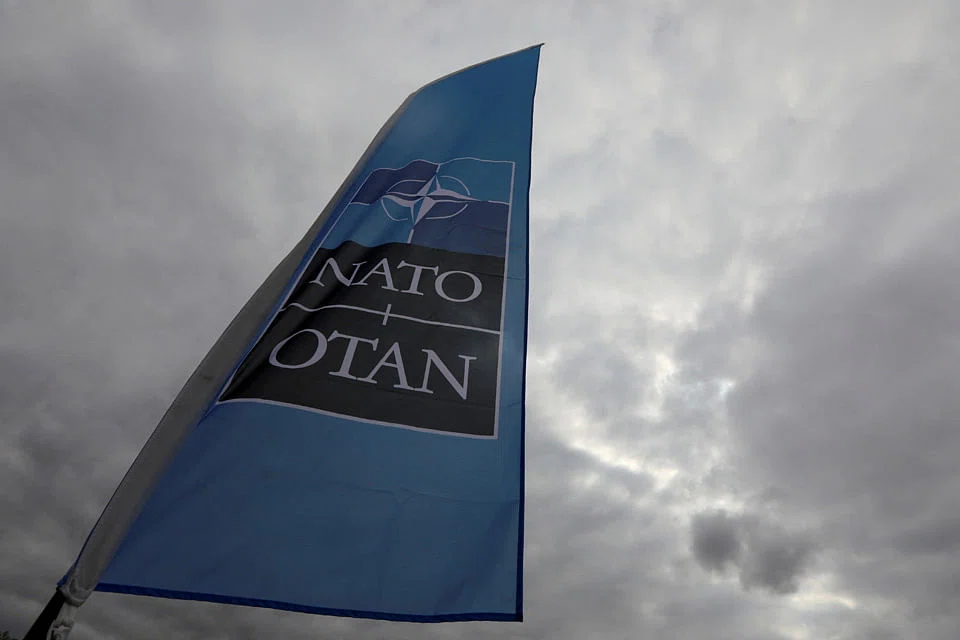
THE importance of the transatlantic alliance will be showcased again this week when Joe Biden makes only his third big overseas trip as US president, with Europe yet again the destination following his visits there last summer and autumn.
While this trip will be dominated by Russia's invasion of Ukraine, there will be a wider renewal of transatlantic ties after the turmoil of the Trump presidency. The goal of the meetings is simple: presenting the strongest, unified front to Moscow, while putting aside the division of the Trump era which coincided with significant United Kingdom-EU Brexit-related tensions.
Biden has already made progress in his first year with this agenda, including with the United States and EU ending their long-running rift over subsidies to Boeing and Airbus with the suspension of billions of dollars in punitive tariffs. UK Prime Minister Boris Johnson and Biden also last year signed a new Atlantic Charter, following the original treaty signed in 1941 by Winston Churchill and Franklin Roosevelt, in a symbolic move which saw commitment to cooperation on issues including climate change, security and post-pandemic recovery.
Building from this during the forthcoming multi-day trip, Biden will meet Western leaders at an extraordinary North Atlantic Treaty Organization (Nato) leadership summit in Brussels on Thursday (Mar 24). He will also attend at least part of the European Council meeting of 27 national presidents and prime ministers in the same city on Thursday and Friday.
At the various summits, Biden and fellow leaders hope to finalise and unveil a package of new measures to punish Russia, and help Ukraine. Options on the table here include new rounds of sanctions on Russian oligarchs; additional measures restricting Moscow's finances and new steps to limit import of energy products; plus initiatives to provide more support for Kyiv, including new shipments of military assistance or financial aid to bolster the country's defences. The US president will also use the upcoming summits to get a read-out on the views of other world leaders on what to do if Chinese President Xi Jinping decides to provide Russia military or economic support, as President Vladimir Putin has requested.
For now, Biden has left open the option of scaling up US troop deployments to Nato members along the alliance's eastern edge. However, other major items that Ukraine wants, like help from Nato in establishing a no-fly zone or providing fighter jets, appear for now off the table as the US president seeks to avoid direct confrontation with Russia.
Navigate Asia in
a new global order
Get the insights delivered to your inbox.
Outside of these summit announcements, Biden will travel to Poland on Friday for talks with President Andrzej Duda to discuss the humanitarian crisis that Russia's war on Ukraine has created. Part of the reason why Biden has expanded his itinerary is pressure from many US conservatives for him to be seen to do more, including a call from Republican Senate leader Mitch McConnell for him to "go to countries like Poland, Romania or Lithuania to meet with Nato eastern flank allies".
Poland visit
Poland has been chosen as the destination for Biden to visit not just because of the number of Ukrainian refugees it now has; there may well be a need to smooth over an apparent disconnect between the US and Poland over providing Ukraine with fighter jets too. Warsaw caught Washington by surprise this month with a proposal to provide Kyiv with its Soviet-era fighter jets which was rejected by the Pentagon for fear it would significantly escalate the war.
While many Republicans are calling for Biden to do more to support Ukraine, Biden is also conscious of an alternative, growing critique of him by Trump and some other Republicans who are much more sympathetic to Russia. Trump himself, remarkably, even called Putin's invasion plan "genius", and has also criticised EU leaders during the crisis for "taking advantage" of the US, including by not completely backing the US boycott of Russian oil and gas.
While Trump's charge is correct that Europe has not instituted a Russian fossil fuel ban, it nonetheless neglects to highlight the much higher European dependency on these commodities than the US. He also has not highlighted the significant measures that the EU has taken in recent days to wean off the continent's vulnerability to Russian energy supplies.
What this showcases is the contrast in the approaches of Biden and Trump who remains the favourite to win the Republican presidential nomination in 2024. The billionaire businessman famously declared during his presidency that "I think the EU is a foe, what they do to us (the United States)" and called for more Brexits within Europe.
The contrast with the approach of Biden, and indeed much of US policy since the start of the EU integration process is striking. The core US view since the early phase of the Cold War has - by and large - been that a united Europe makes future wars in the continent less likely; creates a stronger partner for the US in meeting the challenges posed by the Soviet Union and then-Russia; and offers a more vibrant market for building transatlantic prosperity.
Prior to Trump, the George W Bush administration came closest to questioning the value of European integration. For instance, the controversy over the Iraq conflict saw Washington querying the benefits of EU collaboration in the security and defence arena. On the eve of the Iraq War in 2003, then-defence secretary Donald Rumsfeld even drew a distinction between "old" and "new Europe" with the latter (mainly Eastern Europe) perceived as more favourable to US interests.
Outside of the military arena, the creation of the European Monetary Union has prompted US worries too about the dilution of US primacy in the financial sector and macroeconomic policy. Moreover, in competition policy, the increasing assertiveness of the European Commission has periodically raised US concerns about EU over-reach.
While US support for EU nations is therefore not as unqualified as before, Russia's invasion of Ukraine has put these concerns onto the backburner. The overarching theme of this week's trip will be Western unity, and Biden and European allies will be doubling down to send this message to Moscow.
The writer is an associate at LSE IDEAS at the London School of Economics
Decoding Asia newsletter: your guide to navigating Asia in a new global order. Sign up here to get Decoding Asia newsletter. Delivered to your inbox. Free.
Share with us your feedback on BT's products and services

