

Breaking ranks with the indefensible
Anna Teo
1. What do you think was the most noteworthy thing that happened this week?
Another week, yet more episodes of terror, turmoil and bloodshed across the world. The Islamic State has claimed credit for the latest terror attacks in Europe, this time along a coastal stretch in Spain. In all, at least 13 people died and about 100 were injured in a van rampage down a tourist boulevard in Barcelona, at the height of the summer travel season. It's the tenth such attack in Europe, since Nice in July 2016, involving vehicles ploughing into pedestrians.
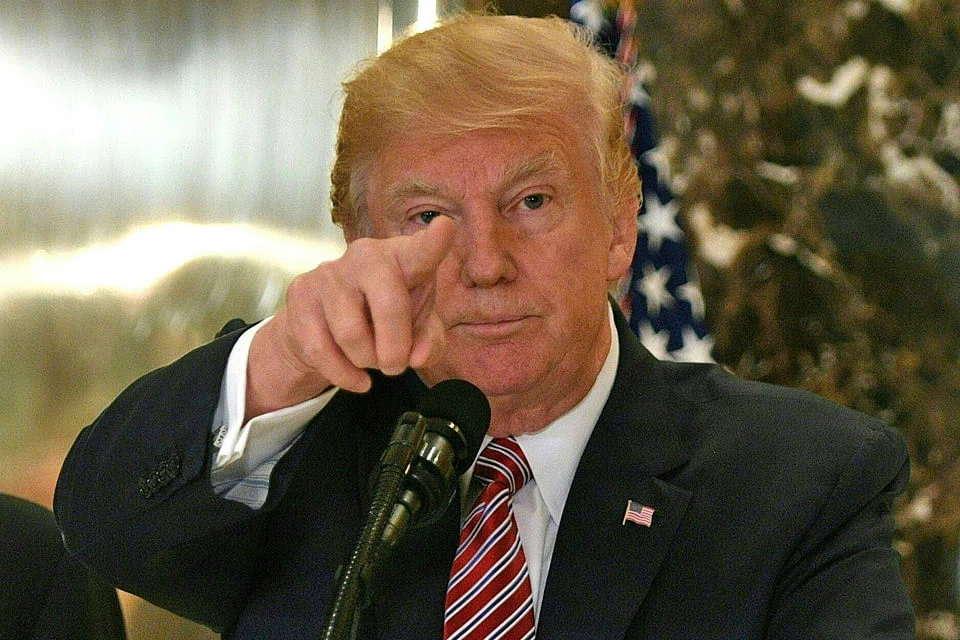
US President Donald Trump was among world leaders who came out strongly soon after to condemn the perpetrators. But he had been far less quick to do so in a similar vehicle-ramming incident on US soil in Charlottesville, Virginia, over the weekend, that killed a local woman. Reaction to Mr Trump's refusal to denounce unequivocally the far-right's role and responsibility in the deadly violence at Charlottesville dominated the news earlier this week. The responses to his utterly flawed characterisation of the Charlottesville protests (if not his moral failure) came from not only Americans across the board but also European leaders.
And what's at least noteworthy is - beyond voicing disagreement or discomfort over Mr Trump's remarks implying "moral equivalence" between, on one side, white supremacists and neo-Nazis, and on the other, those who oppose them, there are some (notably, business leaders) principled enough to break ranks with the president. Silicon Valley also clamped down this week on "alt-right" hate groups.
2. Why is this a big deal?
The US far-right was thrilled about Mr Trump's equivocation over responsibility for the Charlottesville tumult. "No condemnation at all . . . Really, really good," gloated the Daily Stormer, a neo-Nazi, white supremacist website. But, more than a dozen CEOs decided, if a little slowly at first, they had to take a stand against intolerance and extremism, and resigned their positions on Mr Trump's business and manufacturing advisory councils. While America's corporate chiefs had early on bristled over his controversial decisions to abandon the Paris climate accord or ban refugees, etc, some had made a case for sticking by him in terms of business self-interest, pragmatism and patriotism. But his defence of far-right racists was apparently the last straw for several, including the heads of General Electric Co, Intel Corp and Campbell Soup Co. With the panels pared down, Mr Trump subsequently disbanded both the Manufacturing Council and the Strategy & Policy Forum - but not before labelling his ex-advisers "grandstanders" and attacking especially Merck boss Kenneth Frazier, the first among the CEOs to quit.
Meanwhile, tech firms have gone on the offensive against hate groups, removing them from Internet search engines, preventing them from raising money online and in some cases, from registering websites at all. Better late than never, the big names such as Apple, Google, PayPal and other Silicon Valley firms, are taking action to make it tougher for alt-right groups to reach mass audiences.
If the GOP seems to stand by helplessly (save for mild criticisms from some Republican senators) in the face of woeful, if not egregious, actions or decisions from a US president like no other, thankfully a segment of corporate America has the spine to leave his side.
3. Did you see it coming?
One question Trump detractors must have asked is - how on earth could one who isn't a Trump supporter bring himself to work with him? In a memo to staff this week about his decision to quit Mr Trump's strategy group, Blackrock CEO Larry Fink said : "While I have disagreed with the President in certain instances this year, I continued to participate in the forum because I believed it was important to have a voice at the table for investors, including our clients." Perhaps, the picture of the new White House Chief of Staff John Kelly standing by, looking dejected and dismayed, while Mr Trump ranted on in defence of the far-right at a press briefing, says it all.
4. Should anyone be worried? Excited, maybe?
Mr Trump's approval rating is at its lowest since he took office, with only 35 per cent of Americans giving him a positive rating, according to a poll released on Wednesday. His detractors await his self-implosion.
5. What happens now?
Hardly a week in the seven-month Trump term thus far has been uneventful.
But hear this from a Trump voter, Julius Krein, who wrote in a forcefully scathing New York Times piece "I Voted for Trump. And I Sorely Regret It.": "It's no longer early. Not only has the president failed to make the course corrections necessary to save his administration, but his increasingly appalling conduct will continue to repel anyone who might once have been inclined to work with him."
It is now clear, he says, that his early optimism about Mr Trump was unfounded. "I can't stand by this disgraceful administration any longer, and I would urge anyone who once supported him as I did to stop defending the 45th president."
TRENDING NOW

Easy to rent out, hard to sell: Are buyers losing interest in Singapore’s one-bedroom condos?

GovTech retrenches another 38 staff in second round of layoffs

Stocks to watch: Seatrium, CapitaLand Investment, Keppel DC Reit, Suntec Reit, CLCT, TSH Resources

World’s largest offshore wind platform by Seatrium consortium on track to be completed by 2028

