

Catalist IPOs: minimum public tranche needed
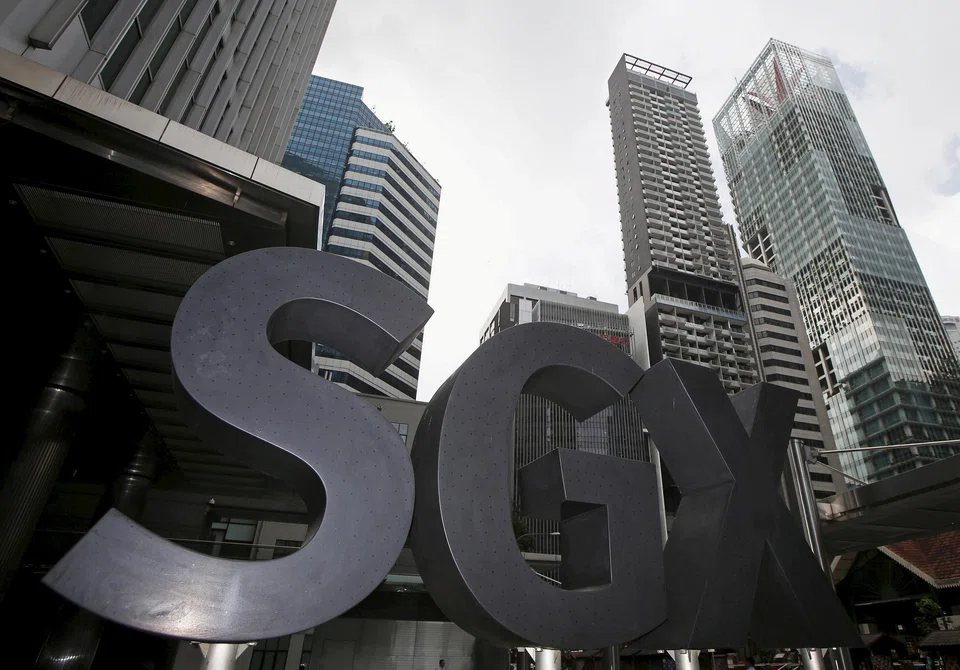
MOST of the initial public offerings (IPOs) this year have been on Catalist and many, if not all, have involved 100 per cent placement shares. Quite understandably this has upset many market watchers who have once again raised the question of whether more should be done to ensure the "P" in IPO stands for "public" instead of "private".
The Singapore Exchange (SGX) is aware of the clamour over the years for more public-tranche shares in IPOs and is currently studying feedback for a February consultation paper which suggested introducing a minimum public tranche of 10 per cent of offer shares for mainboard IPOs. If this is eventually implemented, why not extend this to Catalist?
The need to relook the 100 per cent placement avenue has been around ever since the Corporate Finance Committee (CFC) in 1998 recommended that companies should be allowed to give their shares to whoever they and their underwriters wish, even via full placement.
The practice came under immediate criticism, pushing SGX on the defensive. In a letter to BT published on Jan 15, 2000, in response to an earlier BT column which argued for a minimum retail allotment during IPOs, SGX said that the purpose of a public listing is for companies to raise money from the public and the exercise should not be equated with a "public lottery where every participant has an equal chance of winning the jackpot".
It also said issues of fairness are not relevant and it reiterated the rationale given earlier by the CFC about granting companies and their underwriters the leeway to allocate shares to presumably sympathetic parties.
The main objection over the past 15 years and until today is that even though IPOs have to have a sufficient spread of shareholders (500 in the case of the mainboard and 200 for Catalist) and even though Rule 210 (1) (iii) states the distribution of shareholdings "is expected to provide an orderly secondary market in the securities when trading commences, and that will be unlikely to lead to a corner situation in the securities", the reality is there are many ways to "game the system" and ensure a large enough number of shares ends up in the hands of a few.
Public disillusionment
When this is accomplished, post-IPO performance is assured and, to borrow from the exchange's analogy, a small number of placees are able to "win the jackpot".
This in turn has increased public disillusionment with IPOs; after all, why bother participating when the system explicitly states that fairness is not a consideration?
Over the past 15 years and clearly in response to mounting public pressure for change, SGX published two consultation papers on whether to introduce a minimum public tranche for mainboard IPOs, the latest in February this year when the figure suggested was 10 per cent, double the 5 per cent proposed in the first consultation, which was in 2012.
In the February 2016 paper, the exchange stated that the proposals were "in line with the overarching goal of facilitating greater retail participation in Singapore's capital market".
Since retail players would only play if they think they have an equal chance of winning the jackpot, this suggests a welcome shift in SGX thinking, away from its previous position that when it comes to IPOs it is not the exchange's business to ensure even odds for everyone.
If ever a minimum public trance is contemplated for Catalist IPOs, the figure will have to be more than 10 per cent because of the smaller size of the typical second board listing.
Whatever the size - our view is 30 per cent should be the minimum - the very thought of giving more to the public is bound to draw objections from those in favour of retaining the status quo, namely companies, their corporate finance advisers, underwriters, placement agents and all those with an interest in ensuring the bulk of the shares are allocated to friendly parties.
On the other side of the divide is the retail investing public, who were once told that fairness is not a consideration and that they shouldn't expect to hit the jackpot when it comes to new offers, but are now seeing a slight shift in regulatory thinking towards encouraging greater retail participation.
The pro-full placement camp will undoubtedly point to other second boards like Hong Kong's Growth Enterprise Market (GEM), where IPOs via full placements are still allowed.
The counter to this is that what works for other countries may not always work here, and that there is no reason why SGX cannot be the first to radically revamp the 100 per cent IPO placement practice.
Once the mainboard position is sorted out, hopefully SGX will address the issue of having a minimum public tranche for the Catalist board as well, bearing in mind that the interests of retail investors should take priority.
TRENDING NOW

Peter Kwee’s Ridley Park bungalow on the market with S$100 million asking price

Motoring tycoon Peter Kwee is back in court: Here are his previous legal battles

Demand, tech capabilities position Apac and AI as Skyscanner’s next growth frontiers: CEO Bryan Batista

South-east Asia has lost Nvidia’s best salesman

