

Caution warranted on China stocks, despite inclusion in major indices
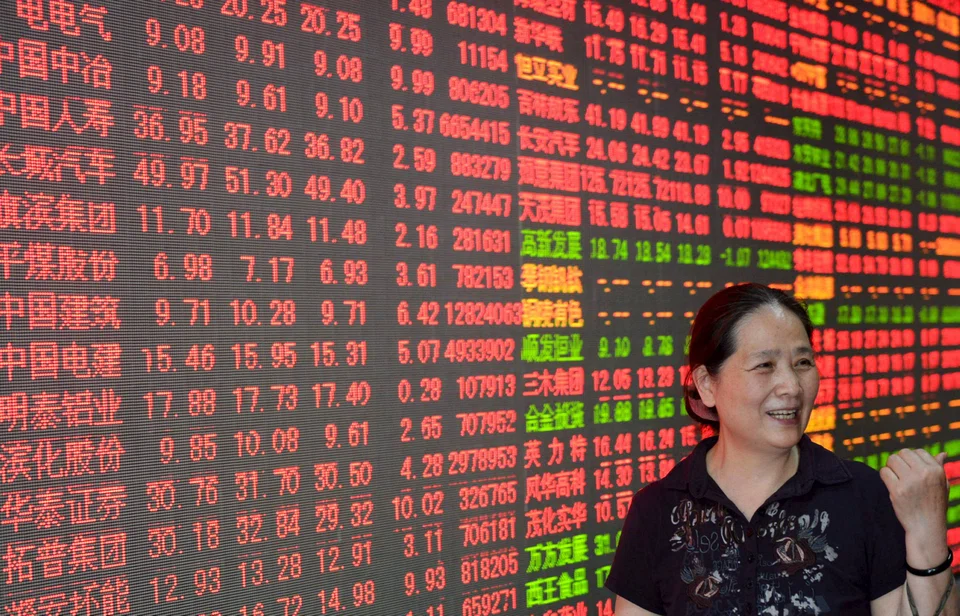
THE prospect of inclusion in major global indices is arguably one of several factors that have helped buoy China's stock markets over the past year. MSCI and FTSE have had the domestic China A-share market on their radar for some time.
Analysts have lost no time in generating projections of the potential flows that inclusion may herald. HSBC, for instance, says partial inclusion of China A shares in MSCI could see its 1.4 per cent representation in the MSCI Emerging Markets Index rise to 23 per cent. Partial inclusion could spur passive inflows of US$5 billion, it says. Full inclusion could see inflows burgeon to almost US$50 billion into the MSCI and FTSE indices from passive assets alone. MSCI itself expects an inflow of US$400 billion from pension funds, insurers and asset managers over time.
This week's decision by MSCI to put off inclusion of A shares until "a few important remaining issues related to market accessibility" are resolved is undoubtedly disappointing to many investors. FTSE, which has included A shares in transitional indices, expects to complete its review in September.
So far, China markets appear to have largely shrugged off the news. The Shanghai Stock Exchange A Shares Index continues to inch up, while the Shenzhen Stock Exchange A Shares Index appears to have blithely powered on. It seems the bull market is intact: 12-month returns of the indexes of 148 and 190 per cent, respectively, show few signs of relenting. That perhaps is not surprising, given the still-supportive backdrop for Chinese equities. Economic reform, for one, is ongoing. In particular, monetary policy is expected to remain loose. The Chinese central bank has cut interest rates and eased the required reserve ratio five times over the past six months. Another 25 basis-point rate cut and two more cuts in the reserve ratio are widely expected.
Moreover, the MSCI announcement is couched in positive terms. MSCI said that inclusion could happen as soon as outstanding issues are resolved, even ahead of its scheduled reviews. The issues are those that should concern all investors. Among them are liquidity concerns and restrictions on capital mobility. Large investors also want quotas commensurate with their asset size; this is particularly important for passive assets which must replicate benchmarks. Still, some large institutions have gone ahead to position themselves. The Vanguard Group recently said that it would add A shares to its FTSE Emerging Markets ETF, taking on a 5.6 per cent weighting based on FTSE's transitional index. It remains to be seen whether other large ETFs would follow suit. What seems clear is that the inclusion of China's domestic equities market in major indices is a matter of time; MSCI's delay is a hiccup.
The delay affords investors and funds breathing space, given the current lofty valuations in segments of the domestic market. There is reason for caution. Retail investors in China have rushed to open trading accounts in droves, and margin debt has soared. As at April, securities firms' outstanding loans to investors for stock purchases were a record 1.64 trillion yuan (S$356 billion), despite curbs imposed by the China Securities Regulatory Commission.
To be sure, the trajectory of the domestic share market makes it vulnerable to changes in sentiment. Another tightening in margin lending, for instance, could trigger a selloff. Those eager to position themselves should tread carefully. The bull run may go further, but not in a straight line. Anchoring investments in sensible valuations should help mitigate the risk.






