China market was bound to slump after rapid expansion
Devaluation of the yuan may have some short-term negative spillovers on the US economy, via the dollar exchange rate, says Yale professor
 Add BT as a preferred source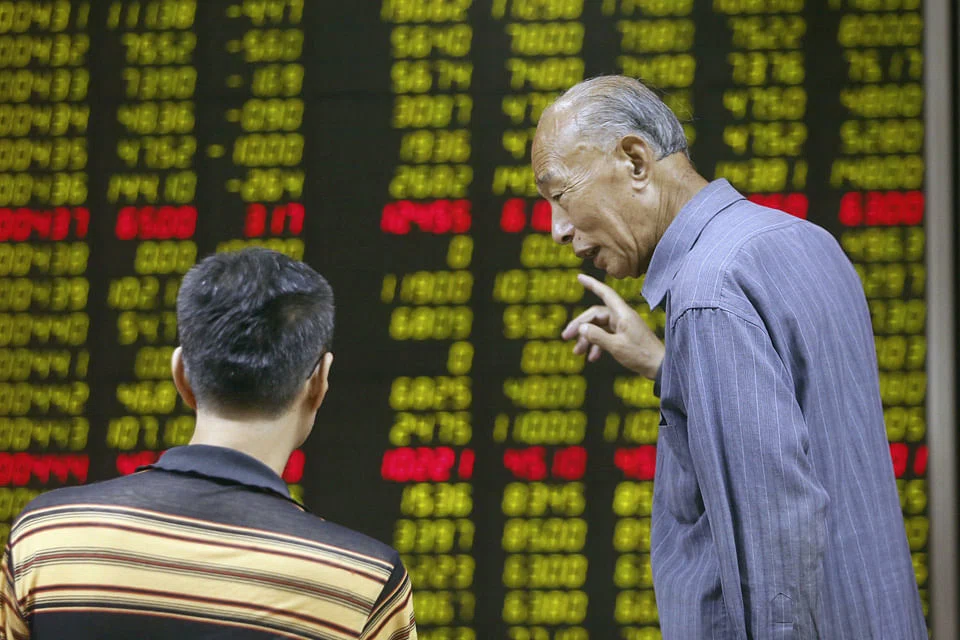

IF the price of a commodity, say milk, rises, demand will decline and (other things being equal) the price should fall back to a level where equilibrium is restored, observes Koichi Hamada in a homely analogy that belies his status as a professor emeritus of economics at Yale University.
On this occasion, the genial, white-haired academic is using the analogy to explain why the Shanghai stock market roared to such boom levels recently only to then bust dramatically and send Asian and other markets into a state of stunned shock for a while.
"There is a natural stability in goods markets," he told The Business Times in an interview. But in the case of financial assets such as stocks, a price increase "may create a further increase in prices". This will typically continue "until the market becomes unstable" and collapses.