

China steals march over US to reshape regional order
RCEP is part of China's model for regional economic integration which also includes the Belt and Road plan, one of the biggest initiatives of its kind in history.
 Add BT as a preferred source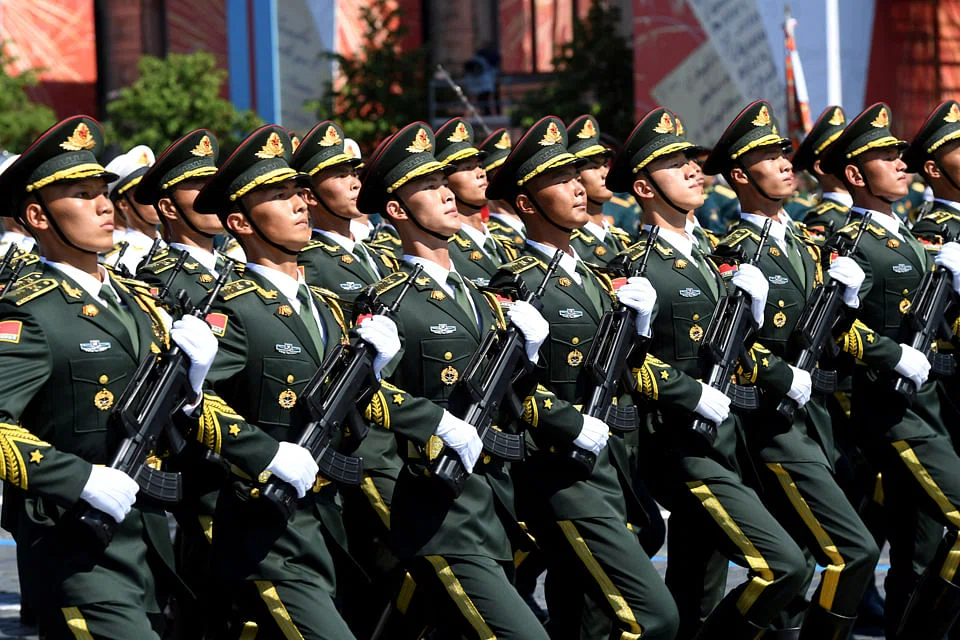
PERHAPS the biggest foreign policy issue in US President-elect Joe Biden's in-tray is resetting the relationship with China. After four years of mounting tensions under President Donald Trump, Mr Biden will bring at least modest policy change - but his options are curtailed compared to four years ago.
For, in the period since 2017, Beijing has made significant strides to recast the regional order, while Mr Trump has largely blustered from the side lines. Only last month, China, Japan, South Korea and 12 other Asia-Pacific countries wrapped up eight years of talks on the Regional Comprehensive Economic Partnership (RCEP) trade deal. While the agreement is a win for all parties, Beijing is the big beneficiary.
For, as the United States undergoes a presidential transition, amid continued erratic behaviour from Mr Trump, Beijing has stolen a march on Washington in shaping the region's trade rules and wider order. While Mr Biden plans to turbo-charge US engagement in the region, this is constrained by the legacy of four largely wasted years, and relationships at a historic low.
Decoding Asia newsletter: your guide to navigating Asia in a new global order. Sign up here to get Decoding Asia newsletter. Delivered to your inbox. Free.
Copyright SPH Media. All rights reserved.
TRENDING NOW

Thai and Vietnamese farmers may stop planting rice because of the Iran war. Here’s why

US-China rivalry and the Kindleberger Trap: Why inaction – not escalation – is the biggest risk

Middle East-linked energy supply shocks put Asean Power Grid back in focus
As more Asean states turn to Russia for fuel, will Moscow boost its influence in the region?

