Conflicting viewpoints, interests will be MAS review group’s biggest challenges
Its true value will be in its ability to make unpopular decisions and stick with them, even if they do not yield immediate results

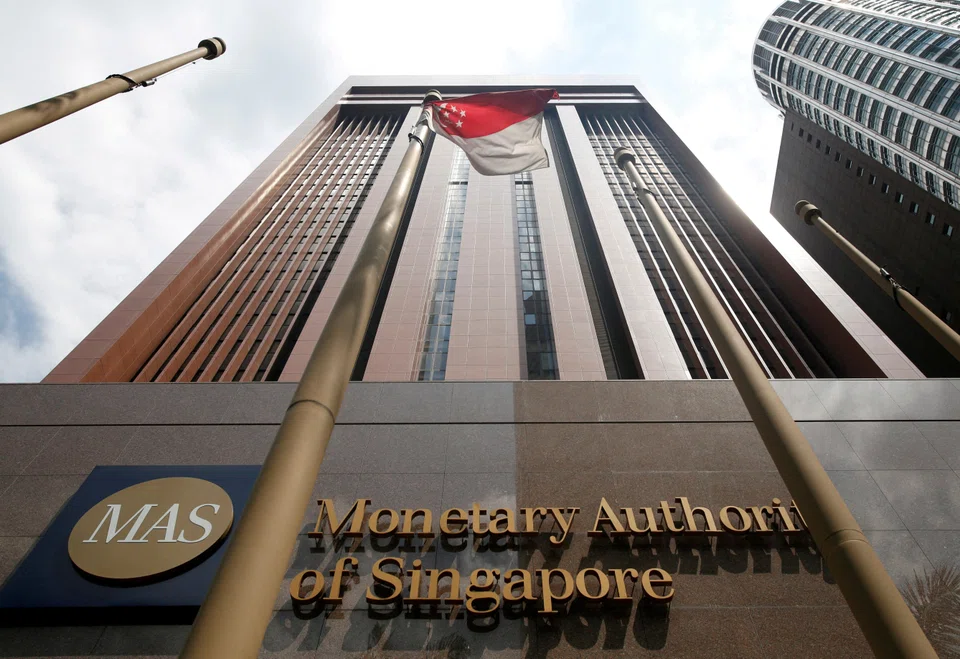
I DON’T envy the task facing the group formed by the Monetary Authority of Singapore (MAS) to improve the Singapore stock market. Since the announcement of its formation on Aug 2, suggestions have been pouring in.
Some, such as better support of financial literacy initiatives, are relatively easy to execute. Others, such as the formation of a new exchange, are high-effort ideas. Still others, such as the establishment of an ombudsman office, are sure to step on a few toes.
It is only natural that every market participant brings to the table a suggestion shaped by its own perspective. All these perspectives are valid ones, but they will sometimes be in conflict.
The true value of this group will therefore be in its ability to make unpopular decisions and stick with them, even if they do not yield immediate results.
Consider, for example, the calls for tougher regulation of companies, directors and management.
Such calls vary in their expression: higher corporate governance standards, legislation protecting minority investors, a more distinct separation of the exchange and its regulator, an ombudsman with regulatory and enforcement powers, and stricter enforcement action.
These calls aren’t without basis. Singapore’s minority shareholders endured several years of squeeze-outs before regulations were changed, and Singapore Exchange Regulation (SGX RegCo) still has limited powers.
At the same time, management and directors of companies complain that SGX is already more highly regulated than many exchanges. There are also complaints that SGX listing standards are tougher than those in the United States.
There is anecdotal evidence that filling boards became more difficult as the corporate governance bar was raised, and that some companies have delisted because keeping up with SGX regulations is expensive and onerous.
After SGX RegCo started to scrutinise the trading patterns and announcements of companies, complaints emerged that its actions were killing the animal spirits of the market.
Then there are the calls for more funds to be routed into the Singapore market, whether from state investor GIC or from the many family offices who have parked money here and created a booming wealth management hub.
As at March 2024, the Central Provident Fund (CPF) Board held balances of S$580 billion. Members can choose to allocate some of their balances to SGX-listed stocks, but have to rely on their own research and expertise to do this.
If, however, they wish to rely on the expertise of GIC’s fund managers and enjoy the guaranteed returns offered by CPF, none of their funds will go into the Singapore market.
Encouraging Singaporeans to put more of their money into the Singapore market independently, through the CPF Investment Scheme, is sure to draw brickbats given the market’s past performance.
Yet, an activist manager empowered with a fraction of those funds might create significant value for investors and the market – certainly more than is currently being created by allowing individuals to invest on their own.
Similar activist investment and value creation might take place if family offices were made to put money into Singapore-listed stocks. Yet, family office wealth is highly mobile and is being aggressively courted by rival hubs such as Dubai, Abu Dhabi and Hong Kong.
These are just a few of the many conflicts MAS will face. Tough choices are inevitable as Singapore pulls both demand and supply-side levers in order to right the prospects of its stock market.
As the review group runs through its options, however, it should bear in mind that Singapore has reached its current position because it did not make those tough choices earlier.
That Singapore struggles to challenge the US’ dominant position in global financial markets is a given – every market has the same challenge because the US market is so much larger, and that heft has continued to accrue to its advantage.
If the experience of Japan is to offer any instruction, it is that success requires changes both major and minor, as well as a macroeconomic tailwind, and a lot of patience.
Japan has been working on stock market reforms since 2014, which means it took roughly 10 years for its efforts to bear fruit.
Early reforms were “piecemeal and reactive”, in the words of corporate governance watcher Jamie Allen – the founding secretary-general of the Asian Corporate Governance Association.
Even if the reforms had been bold, however, it is doubtful that they would have been effective without the tailwind created by the interplay of interest rates and currencies – particularly the differentials between the US and Japan.
Members of the MAS review group will therefore need to be prepared to face a lot of criticism, and must aim to stand firm and persist with constant improvements. Like I said, I don’t envy them.