

Cooperation amid conflict: Ukraine and global food security
IN THE European Union (EU), we believe in the value of food; for our health, our society, and our peace.
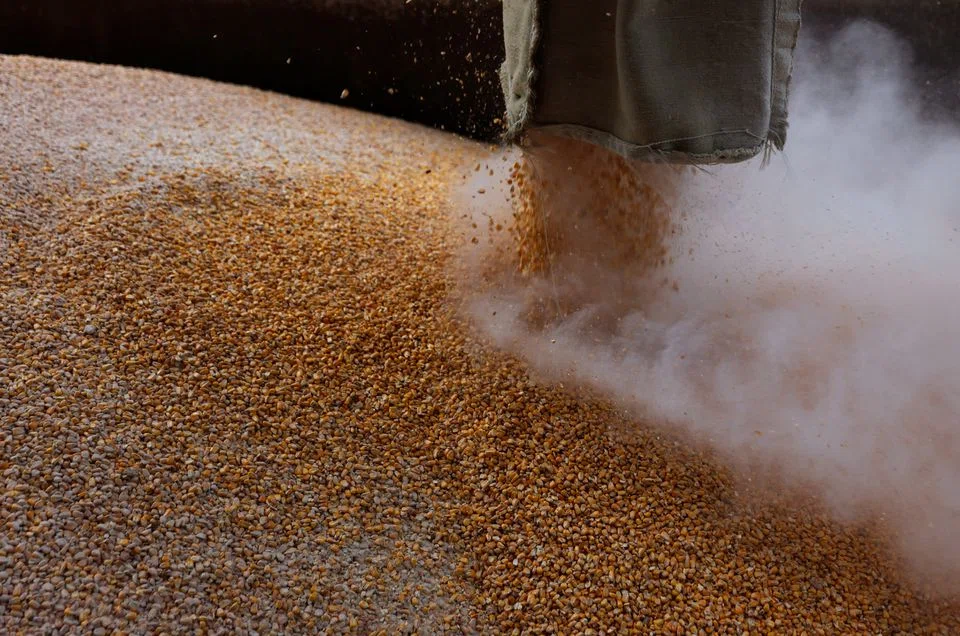
In the last few months, it has become clear that Russia believes in food as nothing more than a weapon of war. The wheat fields of Ukraine are burning. Their stockpiles of grain are being destroyed. Their Black Sea ports, so crucial for the feeding of the world, are being strangled by blockades. These Russian atrocities reverberate with the harrowing threat of hunger. In this threat, we can hear the echoes and entreaties of our history; they call on us to act.
I therefore welcome Singapore’s strong and unambiguous position in condemning Russia’s unjustified and illegal aggression. Together, we must continue working to support Ukrainian food production and exports, as well as to provide humanitarian aid for the global populations most threatened by food insecurity.
Free trade for food security
The current crisis reminds us how food security strongly relies on free and open trade, with well-functioning supply chains that embrace diverse and reliable sources of food. This was a key lesson learnt during the Covid-19 pandemic. We must not forget it now.
I am glad to say that Singapore and the EU are strong partners in this approach. Since entering into force in November 2019, the EU-Singapore Free Trade Agreement (EUSFTA) has helped to cement Singapore’s position as the EU’s main trade and investment partner among the ASEAN member states.
The Agreement eliminates all tariffs on agri-food imports from the EU and provides a transparent framework for cooperation on sanitary and phyto-sanitary measures to secure the highest level of food safety.
During my visit to Singapore, I will explore with Minister S Iswaran how we can deepen our trade ties in the context of the EUSFTA.
I lead a strong European business delegation to Singapore, comprising nearly 50 delegates representing agri-food companies and organisations from 20 EU countries. These delegates will seek to maximise the possibilities of the Agreement by building solid and lasting relationships with their Singaporean counterparts.
Safe, quality, sustainable food
By fully unlocking the potential of our FTA, Singapore can open the door to Europe as a source of safe, high quality and sustainable food.
European food has a long and strong legacy of health and safety standards. The EU checks everything, from pesticide use to packaging, so that you can enjoy our food with full assurance. And while European food meets the most modern standards, it is deeply rooted in centuries of heritage. Through our system of geographical indications, we protect traditional methods and flavours, preserving the unique links of territory and local knowledge behind products like Roquefort cheese, Porto wine, Irish Cream spirit and Prosciutto di Parma ham.
By protecting production at the local level, consumers can trust and distinguish authentic quality products at a global level. Finally, we aim to ensure that European food is healthy for the environment. We support our farmers to embrace more sustainable practices such as organic farming.
Under our Organic Action Plan, for instance, we aim to combine the best ecological practices with strong economic returns for our family farms, with a goal of putting 25 per cent of EU farmland under organic agriculture by 2030.
I look forward to discussing with Senior Minister of State Dr Koh Poh Koon similarities and potential synergies between Singapore’s Green Plan 2030 and the EU Farm to Fork and Biodiversity Strategies.
Just as Singapore and the EU enjoy a firm partnership in trade, I believe we can be strong partners in developing modern, resilient and sustainable food systems that safeguard our long-term food security.
Cooperation in the face of conflict
The strength of our partnership has become all the more significant in recent times, as we stare down the threats of conflict and crisis. In the face of such threats, we should not lose hope.
The European Union was born from such crises of war and hunger. Through these crises, we have not only learned the value of food, but also the value of sharing food; as a bridge between countries and cultures, it is an essential element of free and peaceful global relations.
These are values we share with Singapore. It is with this belief, and with the hope of strengthening our shared values, that I visit your country.
Janusz Wojciechowski is the European Commissioner for Agriculture. He is in Singapore this Thursday and Friday, Jul 14 and 15.

