

Corporate governance in an era of extreme risk
As prevention is better than cure, it is key to embed a culture of adhering to the spirit of the rules instead of just the letter, along with a positive feedback loop.
 Add BT as a preferred source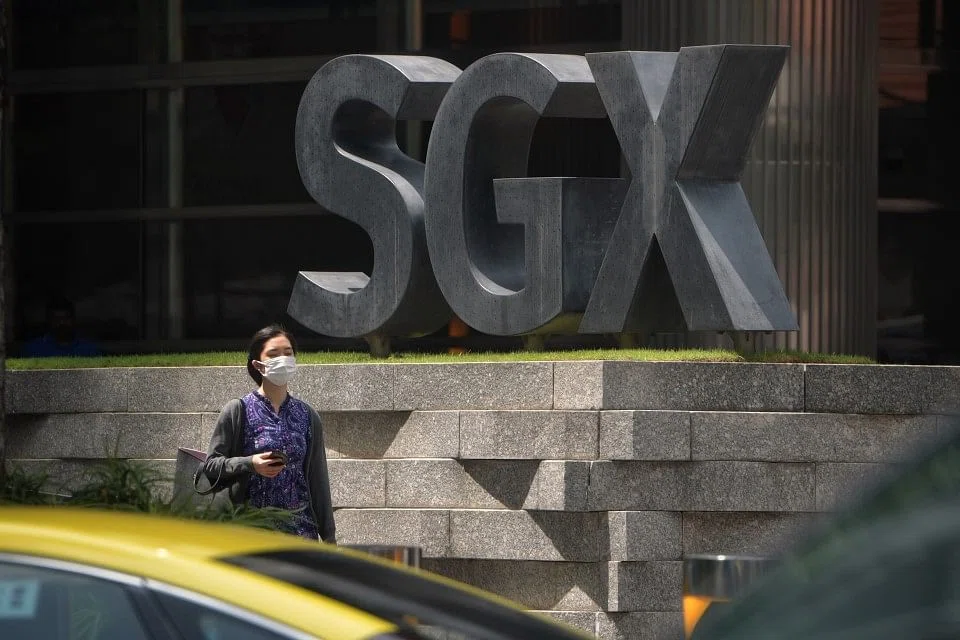
DeeperDive is a beta AI feature. Refer to full articles for the facts.
GOING into a new decade, I don't think any of us anticipated how tumultuous this year has turned out. We are fellow travellers during an extraordinary event that many predict will lead to certain things changing fundamentally. Yet we must not forget that an era of extreme risk was already reasonably clear in the previous decade and even further back. These include climate change and environmental degradation, the growing income divide that can lead to social division and undermine the certainty that businesses value, and the disruption caused by developments in technology. These and other risks have the potential to cause shocks to business enterprises and ultimately the economy.
During this era of extreme uncertainty and therefore risk, it is obvious that high standards of corporate governance including proper disclosure to members of the investing public, become even more important. Recently, in their "Regulator's Column" Tan Boon Gin and Michael Tang of SGX Regco outlined some useful principles that should guide companies in their disclosures because of the Covid-19 pandemic. What I want to add is that a "top-down" and highly prescriptive approach to corporate governance by regulators will not always be helpful in such circumstances. Of course this is not binary; there will be times when clear prescriptive rules are necessary and these can co-exist with principles-based rules for corporate governance. The issue as always is what a set of rules and practices should contain as a whole to be "just right" in achieving the goals of good corporate governance without imposing undue burdens on business enterprises.
My personal view is that in a time of rapid change that gives rise to greater uncertainty and therefore risk, it is very important to deeply embed the culture of timely, accessible and transparent disclosures, especially of financial results and developments that have a material effect on such results. Arguably, there is still too much of a tendency amongst some companies to act according to the letter of the rules rather than their spirit. As a result of this, relevant information is occasionally not disclosed early enough, and can be sparse and therefore vague in its details. Let me provide two examples mentioned in the Hock Lock Siew column of a past issue of The Business Times.
Decoding Asia newsletter: your guide to navigating Asia in a new global order. Sign up here to get Decoding Asia newsletter. Delivered to your inbox. Free.
Share with us your feedback on BT's products and services
TRENDING NOW
‘Boring’ is the new black: The stars are aligning for a Singapore stock market revival

Near sell-out launches in March boost developer sales to 1,300 units after four slow months

China pips the US if Asean is forced to choose, but analysts warn against reading it like a sports result

Genting Singapore’s Lim Kok Thay receives S$7.5 million pay package for FY2025

