

Covid-19 will change the way people shop
Even after economy rebounds, consumers can experience 'economic scarring' lasting far longer than the recession, benefiting discount retailers and value-oriented brands.
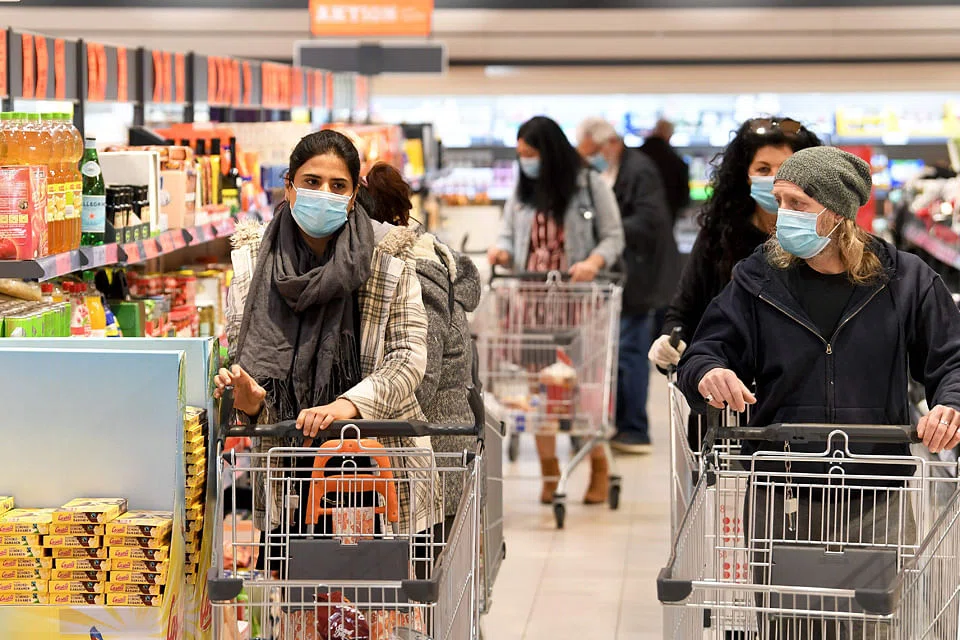
AS THE Covid-19 pandemic continues, retailers and brands face a daunting multitude of short-term challenges around health and safety, supply chain, labour force, cash flow, consumer demand and marketing.
Yet, successfully navigating these issues alone will not assure a bright future. That is because once we get through this pandemic - and we will get through it - we will emerge in a very different world from the one we left, prior to the outbreak.
What will that new landscape mean for brands and retailers the world over?
The post-pandemic commerce world will be shaped by three forces:
Transition to digital
Even before the pandemic, the most profound change in purchasing behaviour was the shift to e-commerce. Many product categories had already been significantly disrupted by digital over the past two decades (books, entertainment and consumer electronics), while others, like apparel and luxury goods, had also begun the transition.
One of the largest consumer categories - grocery - was still nascent in terms of going digital. The Covid-19 pandemic is rapidly accelerating its transition to e-commerce.
As consumers are being asked to practise social distancing, online orders for groceries and other essentials have become a survival tool. Many families are trying digital grocery services for the first time. Households that rely upon home delivery during the pandemic are likely to continue to use those services once it's over.
This very much mirrors the aftermath of the 2003 Sars epidemic in China, where more than 8,000 people were infected by the disease and nearly 800 died. But the epidemic was also a catapult for digital shopping in the Chinese market.
Prior to Sars, Alibaba was primarily a B2B e-commerce site doing around US$10 million (S$14.26 million) a year in sales, while Jing Dong Trading was a small chain of electronics stores primarily selling through physical markets. Within a few short years, Alibaba and JD.com grew to become two of the largest e-commerce firms in the world.
Potentially mitigating this trend is the fact that the digital grocery experience is currently derogated due to high demand. Many are finding it hard to secure a delivery slot, product inventory remains in flux, and lead times are much longer than usual. Covid-19 has dramatically accelerated the digital disruption of grocery - and has "diminished" somewhat the online experience.
This has significant implications for retailers. Due to order picking and delivery costs, digital grocery orders are less profitable than traditional in-store shopping trips. Furthermore, the digital experience does not lend itself to impulse buys, immediate consumption purchases or new product trials. Retailers will need to come up with new ideas or invent online means to recreate these traditional behaviours.
Change in consumer behaviours during the pandemic
Germaphobia: As consumers become more germ-conscious, no-touch deliveries may become the new normal. Consumers may be less receptive to in-store food sampling and more hesitant to use public touchscreens or keypads. Community play areas may be less appealing. Retailers will need to develop no-touch customer experiences with an emphasis on hygiene.
In-homing: Consumers who learnt to cook while quarantined at home may continue to do so. Those who broke their daily Starbucks habit may not return to it. Families who added a streaming media subscription may choose to keep it. A large portion of the workforce may permanently shift from working in an office to telecommuting. To the extent that these behaviour changes become permanent, demand for various goods and services could fundamentally be transformed.
Brand loyalty: As grocery shelves for popular items are less quickly replenished, consumers' brand preferences could get eroded. You may prefer a certain brand of toilet paper, but when confronted with not having any at all, any brand will do.
Covid-19 is forcing consumers beyond their preferred brands like never before. Those consumers could emerge from the pandemic with entirely new brand preferences or just lower overall brand loyalty. This was already trending before the pandemic, with exclusive store brands gaining market share, but this trend will now be amplified.
Hoarding hangover: Several product categories saw aggressive demand as consumers rushed to stock up in preparation for stay-home notices. Some of these products - like toilet paper, hand sanitisers, cold medicine and even condoms - are unlikely to be consumed as quickly. The result will be a delayed decline in sales in those categories as consumers work through their home inventory.
New economic reality
Consumer spending is dramatically curtailed during a recession. Not only do consumers become more financially conservative but consumer credit may become less available, dramatically limiting purchasing power.
Even when the economy rebounds, consumers can experience "economic scarring" that lasts far longer than the actual recession. There is substantial evidence that economic outcomes are passed across generations. Economic hardships for parents can mean more economic hurdles for their children. Therefore, a recession should not be considered a one-time event that stresses consumers for a few years. An economic downturn will have consequences for consumer spending for months, even years to come.
In this climate, discount retailers and value-oriented brands stand to win. This will also boost the trend toward value-oriented store brands. Spending will likely pick up in need-based categories, with discretionary categories declining.
The combination of these forces will significantly disrupt commerce as we know it. Some retailers and brands will be more ingrained in consumers' minds than ever before. Commerce will emerge from the pandemic a vibrant and critical part of consumer life. One thing is certain: retail will look and feel very different, but that is not a bad thing.
TRENDING NOW

He built the Vingroup empire. Now South-east Asia’s richest man is handing some key roles to his sons

32 companies, 6 individuals bag accolades at Singapore Corporate Awards 2026
Can a first-time homebuyer couple earning S$18,000 a month afford a new EC unit?

Floods compound Philippine growth woes from public-works scandal

