
COMMENTARY

Data centres in Asia must rethink cooling for a more responsible future

Installed data centre power capacity in Asia-Pacific is projected to grow rapidly, underscoring the region’s pivotal role in the digital economy
Summarise
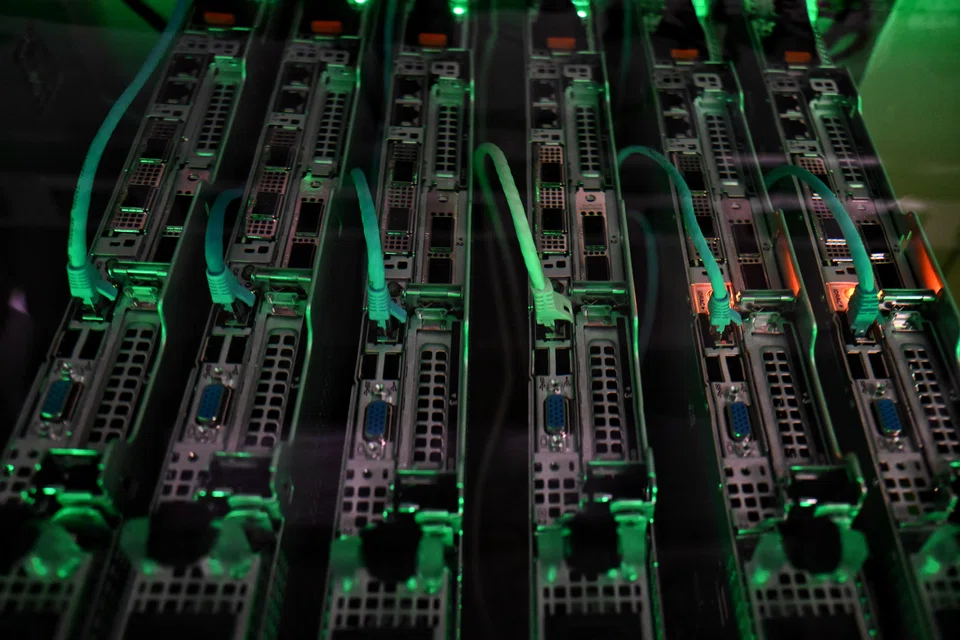
    • An immersion cooling system for data centres. The increasing demand for high-performance computing necessitates that data centres scale efficiently while implementing strategies to mitigate their environmental impact.
    • An immersion cooling system for data centres. The increasing demand for high-performance computing necessitates that data centres scale efficiently while implementing strategies to mitigate their environmental impact. PHOTO: BT FILE
    Published Thu, Apr 17, 2025 · 07:00 AM

    THE Asia-Pacific region is rapidly emerging as a global leader in data centre expansion, driven by the increasing adoption of artificial intelligence (AI), cloud computing and digital transformation initiatives. The region’s prominence in data centre growth can be attributed to its rapid digitalisation, expanding Internet user base and supportive government policies.

    In fact, according to IDC, the installed data centre power capacity in Asia-Pacific is projected to grow at a compound annual growth rate of 14.2 per cent, reaching 94.4 gigawatts by 2028. This surge underscores the region’s pivotal role in the digital economy.

    However, this rapid growth presents significant challenges, particularly concerning environmental responsibility. Data centres are substantial consumers of energy, and their expansion amplifies concerns about power consumption and carbon emissions. The increasing demand for high-performance computing necessitates that data centres scale efficiently while implementing strategies to mitigate their environmental impact.

    The sustainability paradox: Growth versus impact

    As the world marks Earth Day 2025 on Apr 22, attention is turning to industries with significant energy footprints. With expansion comes urgency, and as Asia-Pacific markets such as China, India and Singapore push towards net-zero commitments, the data centre industry must rethink its cooling and energy efficiency strategies to enable growth without exacerbating existing climate challenges.

    While energy consumption has long been a concern, water usage is now emerging as an equally critical issue. Many of the region’s fastest-growing data centre markets, such as Australia, Malaysia and the Philippines, are already grappling with water scarcity, making traditional cooling methods increasingly less optimal in the long term.

    The way data centres are powered and cooled in the coming years will define the industry’s environmental footprint. As corporate responsibility expectations rise, companies must adopt more innovative and efficient cooling solutions to reduce energy consumption without compromising performance.

    With AI workloads driving unprecedented power densities, traditional air-cooling methods are reaching their limits. The industry must now embrace next-generation cooling solutions that improve efficiency while reducing environmental impact.

    Signalling the increased importance placed on new cooling solutions technology, liquid cooling is emerging as a leading solution, as AI workloads exceed the capabilities of conventional air-cooled systems. ST Telemedia Global Data Centres Philippines unveiled the country’s first liquid cooling technology showroom, offering visitors a hands-on look at how these advanced systems can drive both energy efficiency and environmental responsibility.

    In fact, Singapore’s first tropical data centre test bed offers a glimpse into how operators can address cooling challenges unique to Asia’s climate. The use of energy-efficient technologies in this environment demonstrates the potential for alternative approaches that balance thermal management with environmental impact.

    One solution gaining attention is direct-to-chip immersion cooling. These approaches significantly enhance thermal dissipation, reducing the energy required to keep processors at optimal operating temperature while improving performance. Industry leaders like Oxigen are already deploying liquid-cooled data centres, setting new efficiency benchmarks.

    Beyond liquid cooling, other technologies are reshaping how the industry approaches responsible thermal management.

    Chilled water systems using low-GWP (global warming potential) refrigerants are improving efficiency while minimising environmental harm. Heat reuse and energy recycling are also gaining traction, repurposing excess heat for applications such as industrial processes and domestic water heating. Meanwhile, hybrid cooling ecosystems – which combine renewable and conventional energy sources – offer operators a more flexible and resilient path to cooling optimisation.

    The future of data centres

    As AI continues to drive data centre expansion, the industry must prioritise long-term impact and rethink how facilities are designed and operated. AI-driven cooling systems are becoming smarter and more efficient. By adjusting in real time to changing workloads, they help reduce energy waste and improve overall performance.

    At the same time, data centre infrastructure is being reimagined for greater efficiency. According to reports, operators are increasingly adopting modular, prefabricated designs that allow for faster deployment, better energy performance and a smaller environmental footprint. Many of these next-generation facilities are integrating heat recovery systems, low-emission cooling technologies and resource management – ensuring that digital growth can scale responsibly.

    The choices made today will determine the long-term impact of data centres. As digital infrastructure continues to grow, businesses must act decisively to reduce their environmental footprint while meeting the increasing demands of AI and high-performance computing.

    By adopting next-generation cooling solutions, integrating AI-driven efficiencies and embracing alternative energy, data centres can continue to scale without compromising environmental impact. The challenge is significant, but so is the opportunity to lead the global energy transition and ensuring that scalability does not come at the cost of the planet.

    The writer is vice-president of Vertiv Asia



