

Dawn of the 'alternative facts'
Anita Gabriel
1 What do you remember most about this week?
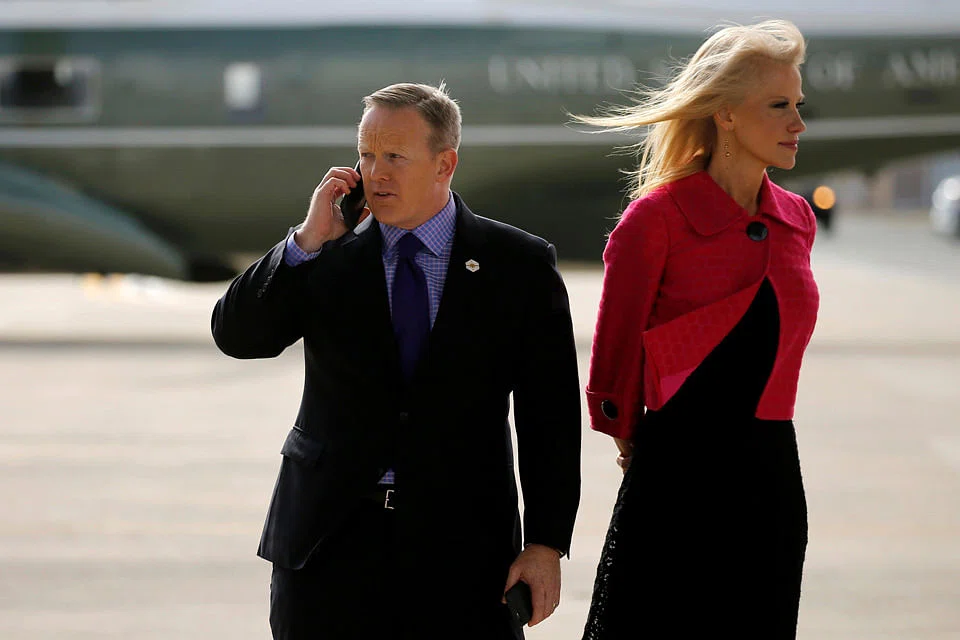
Altogether now : Everyone say, OR-WELL-IAN. So fast and furious did "dystopian literature" creep into the unforgiving climate in the United States after Donald Trump was sworn in the 45th US President, that the sales of George Orwell's classic "Nineteen Eighty-Four" topped Amazon's bestseller list three days after the words "alternative facts" were uttered by a Trump aide. The term became ubiquitous after Kellyanne Conway, Mr Trump's campaign manager and now Counselor to the President, used the "very Orwellian" language to back White House press secretary Sean Spicer's claims that the crowd on the National Mall in Washington DC at Mr Trump's inauguration was "the largest ever". It drew grave obloquy particularly from the media, given that the turnout claims were roundly false. Mr Spicer later insisted that his statement was correct as he had included viewers on live streams and social media. Round 1 of President Trump versus the Fourth Estate goes to... Mr Orwell.
2 Is this a thing of mountains and molehills?
Newspaper men are incensed, accusing Mr Trump's administration of endorsing (and packaging) lies - after lies - while his loyalists defended the remarks as "contrary opinions".
If Mr Trump's widely-remembered "You are fake news!" rebuke of CNN's dogged White House correspondent Jim Acosta amid the "Golden Shower Gate" episode made one shift uneasily in the seat, there will likely be many more menacing moments in store for US watchers. If this first week of the Trump administration has proven anything, it's that. Brace ourselves.
But here's the even bigger beef - the arguments over crowd turnout and Ms Conway's shocking "alternative facts" defence may distract from more substantive concerns over the US president's policies and the ever-niggling issue of conflicts of interests involving his businesses.
3 Was it expected?
Fact-checking is in high demand; it has been ever since Mr Trump rose to the fore in the election season, when stump speeches became a case of "he said, she said". But these days, it has become a rage among the media.
The battle between Mr Trump and the media is no big shocker; after all, the president has publicly expressed his loathing for the press corps which he has attacked as being "dishonest", and which he and his team have accused of being fixated on de-legitimising his presidency. In an interview this week, Stephen Bannon, Mr Trump's chief strategist, called the US media "the opposition party" of the current administration. It's going to be a long four years - particularly for US journalists, but probably also for the rest of us looking on from the outside.
4 Should anyone be bothered, or worried ?
In the words of a well-used Americanism - Hell, yes!
The unfolding events over the past week is disturbing, mostly because of the tone (of fact distortion) set by the new leadership of the world's most powerful country.
Foremost in everyone's minds : Can the "leader of the free world" - who after his oath of office now holds power as Commander-in-Chief to authorise a nuclear attack - be trusted? The "free world leader" epithet, first used during the Cold War to describe the US president, may no longer apply, though, given Mr Trump's posture on trade and foreign policies.
How will the world deal with an America led by an administration with a cavalier approach to facts? Can we believe everything that Trump and his aides say from hereon?
The jury may still be out on that (if you are willing to give him more passes) but this week, he walked the talk on key points of his campaign rhetoric.
One of his first executive actions was to pull the US out of the Trans-Pacific Partnership (TPP) deal that took years of talks, including by the US, to take shape. It's "a great thing for the American worker", he said of his action as he signed the order in the Oval Office. He also appears to have set in motion a plan, as promised, to construct an "impenetrable, physical, tall, powerful, beautiful, southern border wall" between the US and Mexico and another plan to reshape immigration policy.
5 What happens now?
The disconcerting spat between the media and Mr Trump and the accompanying spin and jibber jabber will persist. His "artless" candour will continue to test the fourth estate in America with "mainstream media watchdogging" expected to hit fever pitch.
But this could come at a price - public trust in both the government and the media could wilt further.
Therein lies the big question - is this going to be the new normal in US politics for the next four years?
TRENDING NOW

‘We don’t want to stay as we are’: CEO Patrick Ng builds a more resilient Huationg
URA to review guidelines on floor space to give developers more design flexibility: Chee Hong Tat

He built the Vingroup empire. Now South-east Asia’s richest man is handing some key roles to his sons
32 companies, 6 individuals bag accolades at Singapore Corporate Awards 2026

