

Despite Obama's initial victory, the TPP fight isn't over yet
 Add BT as a preferred source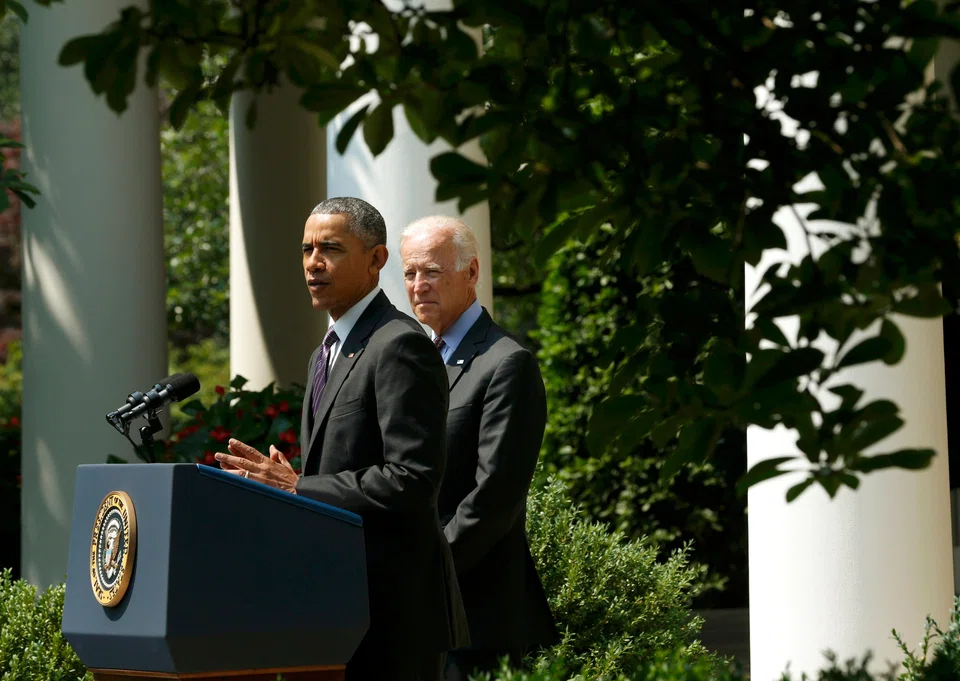
THE White House and Republican leaders on Capitol Hill won a significant political victory last week when Congress passed the "fast-track" trade legislation that would allow President Barack Obama to conclude the negotiations on the Trans-Pacific Partnership (TPP) and advance his plans to "pivot" American policy towards Asia.
Overcoming strong opposition in the Democratic majority in Congress and the labour unions, President Obama and his Republican partners succeeded in clearing several legislative roadblocks and winning passage of the Trade Promotion Authority (TPA) bill in both the House of Representatives and the Senate, and allowing the president to sign it. The TPA gives the White House the power to submit trade deals to Congress for an up-or-down vote without amendments in the next six years. It ensures that lawmakers would not be able to demand changes to trade agreements with foreign governments after they are concluded.
But the Senate's passage of the TPA with a 60-38 vote, with only 13 Democrats voting for the bill, demonstrated the political hurdles that the White House will be facing in the coming months. First, it still has to conclude the negotiations on the TPP accord among the US, Singapore, Malaysia, Vietnam and the rest of the Pacific Rim economies; and then President Obama will have to win the support of Congress for the trade pact itself.
TRENDING NOW

MedPark’s assistant CEO runs a hospital where patients, physicians precede profits

E-commerce is killing ‘real’ commerce, says China’s beverage king Zhong Shanshan

Laos-China Railway picks up steam, but S-E Asian country struggles to capture gains
NDR 2026: Singapore to create new Western island to support 'new generation of industries'

