Digital banking: moving beyond service efficacy
The move to hyper-personalisation means that banks should be using technology to build long-term and active relationships with their customers on a personal level.
BANKS are working hard to promote digital service channels. Online banking, mobile apps and advanced ATMs not only meet customers' ever-growing demands for increased control and convenience, but also reduce the need for physical bank branches or the number of service staff needed to serve us. It makes sense for banks to focus on digital products that best meet customers' changing needs and behaviours while also reducing their operational costs. But how are banks faring?
Consumers on the whole prefer digital banking to traditional forms, which comes as no surprise since there are no queues, no need to explain your actions, and just a simple finger print will identify you and allow access to a mobile banking platform. In the financial studies that JD Power conducts on customer experience with retail banks, satisfaction with mobile banking is increasing and often is the highest rated service channel across markets and key demographics.
Moreover, the future of mobile banking looks ever more interesting as fintech in China, California, London, New York, Berlin and Singapore has enhanced the mobile experience and connected financial services via the Internet of Things (IOT) to make offerings more accessible, seamless and relevant for customers. With banks opening up their Application Programming Interfaces (API) to non-traditional players, customers can link their accounts to the products and services that they like. For example, Citibank in Singapore linked up with Grab - a regional equivalent to Uber - and other players are providing offers with e-retailers or online travel portals (for example Lazada, Airbnb, etc).
Indeed, the growth of contextual banking ensuring the relevant products, services and promotions are delivered to the right customers at the right time is ever more important. In essence, banks understand the dangers of being sidelined by non-traditional payment gateways, be it Alipay, PayPal or Paytm equivalents, and are rushing to create new social ecosystems with the right mix of products, services and promotions that attract and retain their customers.
However, results from a recent JD Power Credit Card Study in Singapore showed that although cardholders rated their banks' mobile app highest in satisfaction, they still want more personalised services on digital. This trend towards hyper-personalisation outlines a need for banks to work harder towards meeting changing customer requirements. Data shows that customers not only want to have more information on special offers, rewards and benefits - say with their credit cards - but also want to be able to track their expenses in more detail, review their rewards and contact their bank on the fly either via webchat or email.
It is here that overall, banks are failing customers as they push with developments in digital. More often than not, banks are not proactively providing fee alerts, flagging cashback caps, helping with spending targets or even offering quick access to a contact centre agent when needed.
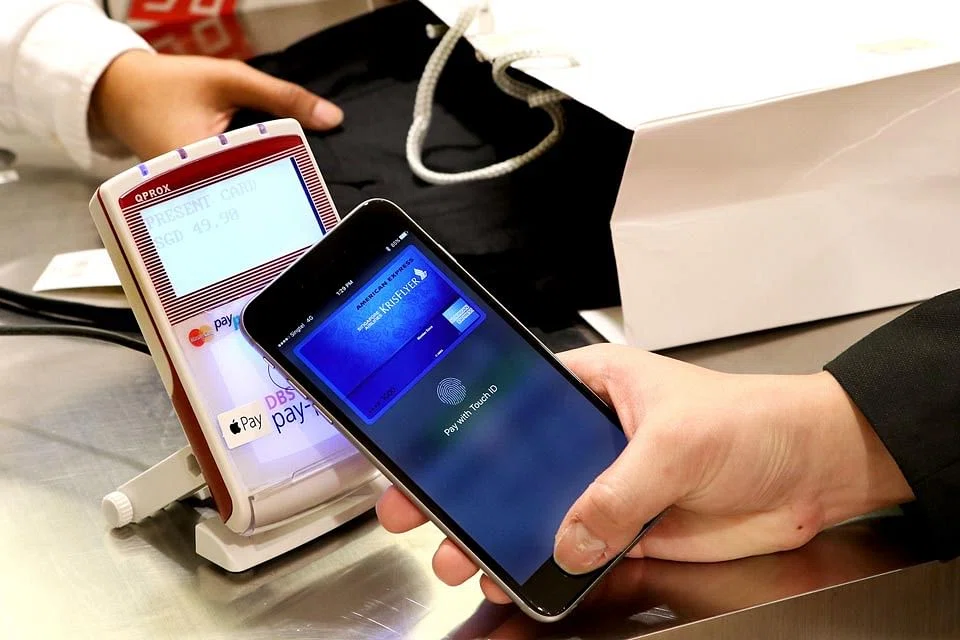
Moreover, the growth of digital wallets, such as Apple Pay or Samsung Pay, allows customers to have a series of debit, credit or loyalty cards sitting on the same device, but no bank as of yet actively uses the technology. Whether it's through geolocation tagging or deeper merchant analytics, banks are not informing customers of the best card to choose for a specific purchase, be it related to cashback offers, minimum spends, or rewards that might be relevant to that merchant.
Given that retailers in multi-markets have learned to use loyalty programmes to proactively incentivise and encourage spending on categories tailored to customer preferences - a prime example being Tesco Clubcard in the UK - rewards and promotions among banks are a relatively static set of offerings, only changing to meet the banks' new partner promotions and not based on customer purchasing and spending behaviours. Typically, customers are categorised by card providers as being predominantly airline, diner, or cashback customers, and not in reality people who actively change their spending behaviour throughout the year.
"Banks need to enrich customer data and exploit the digital footprint, leveraging advanced analytics and machine learning technology, to design and deliver a relevant and personalised user experience, helping each customer better anticipate his or her specific financial needs at exactly the right time," says Xavier Marcillac, a fintech professional based in Singapore. In essence, acting as a disintermediary for customers by connecting financial tools with retailers, insurers and other organisations in a way that provides a customer tangible advantages.
If the experience and relevance of the product and service offered by banks on digital platforms are not enhanced, customers are more likely to lose the inherent connection with their bank. What is the emotional tie with a digital platform if it is merely a service platform?
This was something posed to new banking customers in the UK who in the last 18 months have seen five new mobile app-only banks appear in the market - Atom, Monzo, Starling, Tandem and Tide - alongside the established players' mobile offerings. Surely quicker access to financial tools, an improved chatbot function - as with Singapore's POSB digibank virtual assistant - and higher refresh rates may add to the experience, but it does not define the brand relationship.
As Stuart Crawford-Browne from Phoenix Rising says: "We respond to the things we remember; things that happen automatically quickly become invisible and forgettable. Banks have to stand for something unique and elicit evocative memories if they are to differentiate their brand from generic mobile banking capabilities available from others across the category. Easy banking services are great, but distinctive banking experiences that are delivered with unusual flair or perhaps associated with a deep sense of purpose, ritual or cause that's relevant to me - well, that is something I might tell my friends about."
In essence, banks should offer limited unique selling propositions (USP), beyond the core product propositions. Fighting on interest rates, terms or reduced approval times, can and will help a bank sell its products, but does it really connect with customers?
The move to hyper-personalisation means that banks should consider not just chasing the new service offering or partner in the digital space, but actually gaining deeper insight on customer expectations by tapping relevant universal human truths (UHT) as part of efforts to innovate.
This includes being a proactive coach to customers on getting the most out of their income and savings, helping customers to take advantage of the best services across their own and competitor products, and thus using technology to build long-term and active relationships with their customers on a personal level.
Relevance is critical for sustaining long-term business growth. The question is: Are banks in Singapore or further afield really helping their customers get the most out of their digital services?