

A digital wealth revolution in the future of finance
Robo-advisers have the potential to democratise finance, as until now, a large part of the population has been excluded from investing in financial markets.
 Add BT as a preferred source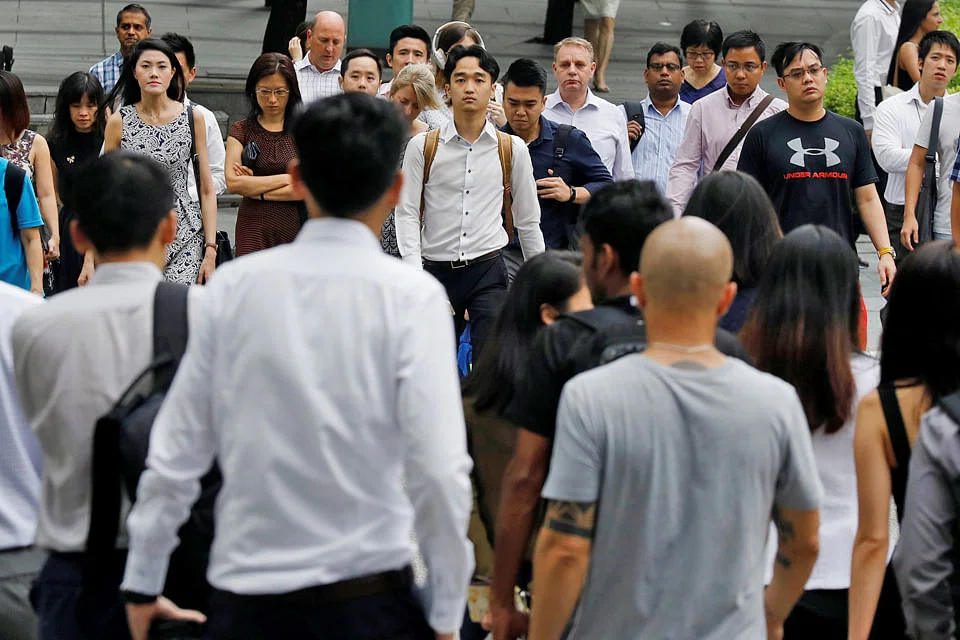
DIGITAL wealth management solutions democratise finance by making investments accessible to younger professionals and the larger middle-class. They make tailored investment solutions and access to highly sophisticated asset classes available to (nearly) all. Indeed, 'robo-advisers' charge low fees and have no (or low) minimum asset requirements. In the coming years, a larger population could benefit from similar financial returns as those received by high-net-worth individuals.
Over the 20th century, finance has become one of the leading drivers of inequality. The late economist Anthony Atkinson and others have shown that large wealth holders have access to investment products with significantly higher financial returns than mainstream products accessible to most. In his book Capital in the Twenty-First Century, Thomas Piketty outlines the evolution of wealth inequality over the last three centuries. He finds that the rate of return on capital has been significantly greater than the economic growth rate and, as such, the income from labour activity.
Capital investments play a critical role in augmenting the wealth of the wealthiest, thereby increasing inequality. That situation is reinforced by the fact that an increasing share of wealth is inherited, and inheritance itself is unequally distributed. Wealthy individuals have access to a wide range of investment opportunities, including investment in alternative asset management, for instance, hedge funds, whereas small-time investors are typically redirected to more 'vanilla' investments, for example, bank deposits and government bonds.
TRENDING NOW

Malaysian tycoon Vincent Tan’s sell-downs point to pruning rather than an exit plan

Ringgit sinks to seven-month low despite record bond inflows as Fed fears dominate

Simba ordered to pay S$700,000 in damages to indoor skydiving operator Altitude Xperience for trespass
What Qantas’ Project Sunrise really means for Singapore

