Don’t fear the credit card

Yong Jun Yuan
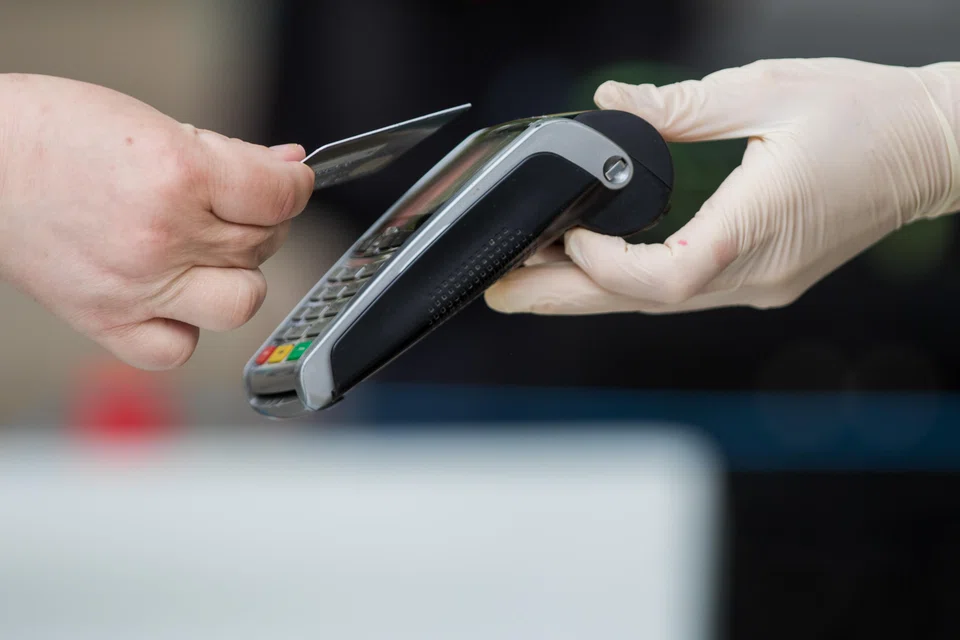
AS more youths eschew the traditional five Cs as markers of their socio-economic status, one of them should not be overlooked – credit cards.
Recently, I was surprised to hear that friends and other newsroom colleagues have not applied for credit cards even though they cleared the minimum requirements to apply.
Some did not want to deal with the hassle of remembering to pay separate credit card bills. Others were taught by their parents not to spend money they do not have (that is, incur debt).
For most of them, debit cards are convenient enough for them to go cashless. Yet, I believe that they have not fully considered the opportunity costs of not owning credit cards.
The most obvious of these is that debit card, e-wallet and cash users miss out on potential rewards.
Although some may say that they could do without these rewards as the potential fees for late payment could be much higher, I would suggest that they lose out even when they are not using credit cards too.
Merchants that accept credit cards pay a rate of about 3 per cent to banks and card payment processors for each transaction.
Because companies like Visa frown on the practice of surcharging, it is likely that most merchants adjust prices to account for this increased charge.
In the United States, a study done by the Federal Reserve Bank of Boston in 2020 found that merchants raised prices by 1.4 per cent to pass on the card acceptance costs to consumers.
That means that consumers paying with debit card and cash may be indirectly paying for these costs, without rewards to offset these charges.
Improving personal cashflows
In addition, being approved for a line of credit can improve credit card users’ personal cashflows too. For instance, zero per cent instalment plans at furniture and electronics shops require consumers to be approved for credit cards.
Instead of paying for big-ticket items on the spot, engaging these instalment plans may not be a bad idea. The additional cash you keep could be saved for emergencies or investment purposes, as long as you still have enough to make the monthly instalments.
Furthermore, while our parents may have discouraged us from spending “money we do not have”, you will almost certainly need to take on home loans and even car loans eventually.
Without a credit card, you will not be able to build up a credit score, which could hurt the size of the loans that you will be able to secure.
Taking on credit can be a scary endeavour, but most people can manage their debt responsibly.
A survey based on 1,006 Singaporeans by YouGov Omnibus in 2019 found that more than seven in 10 Singaporeans own at least one credit card and almost nine in 10 of them pay their credit card bills in whole and on time.
Of course, late fees and interest charges on debt will negate much of the potential benefits of credit card usage and ruin your credit score, so avoid them at all costs.
To help themselves keep track of their spending, credit card users can intentionally reduce their credit limit and use expense tracker apps to avoid overspending and set reminders for themselves to avoid late fees.
Still, with so many credit cards out there, which should you pick?
Preferably, it should have a minimum spend that you can meet. Some cards have minimum spend thresholds that customers need to meet to be rewarded.
When I first started working, I applied for a credit card that had no minimum spend as I was not confident that I could hit the minimum spend on other cards. That helped me avoid the temptation to spend more just to receive a comparably small amount in rewards.
Also, users should be aware of caps on rewards like cashback for certain credit cards. For instance, the DBS Live Fresh card offers 5 per cent cashback on online and Visa contactless spend, but both categories have a cashback cap of S$20 each.
Higher interest rates
Next, you may consider using credit cards that contribute to higher interest rates on your savings account. The trio of local banks all have flagship savings accounts that provide higher interest rates if customers use selected credit cards in their catalogue.
Notably, interest rates have risen in recent months as banks jostle for deposits. You may even choose to shift your savings to a different bank entirely if their criteria for higher interest rates suits you better.
Finally, do try to get your annual fees waived. I get that picking up the phone to call customer service hotlines can cause some millennials and Gen Zs mental and even physical pain, but not doing so will put a dent in the savings you make from your credit card.
The credit card market is huge, with all sorts of cards to fit different needs. You may even change cards over time as your spending habits change.
If you are confident that you can be disciplined about paying off your debts and spending within your means, it would be a mistake to avoid them completely.