

Dual-class shares worth considering, but tread carefully
Pressing need to attract large-cap, big-name listings to inject interest in local stocks
 Add BT as a preferred source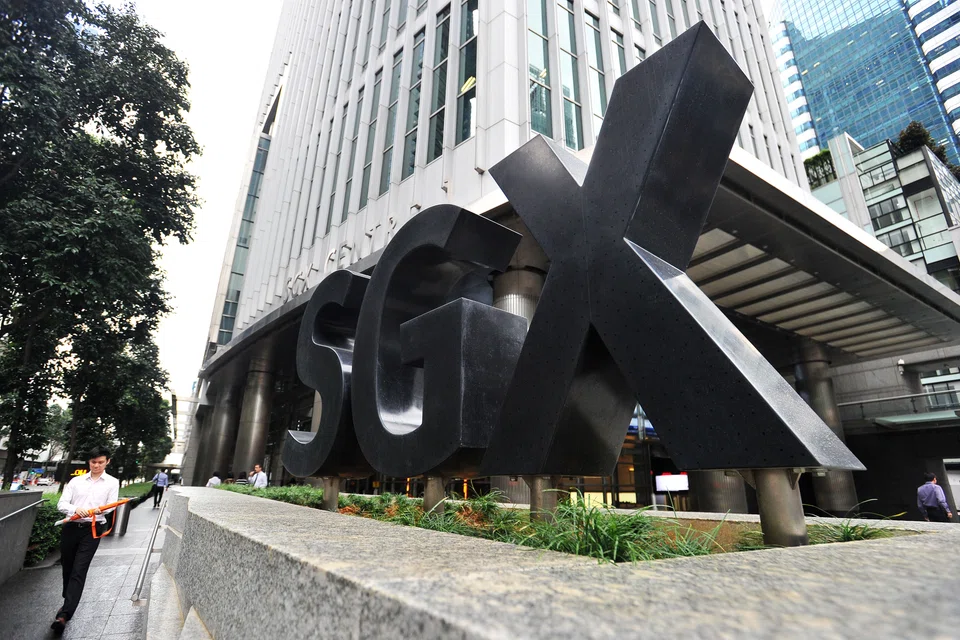
DeeperDive is a beta AI feature. Refer to full articles for the facts.
IT has been suggested a few times over the past year that the authorities reconsider the restriction on dual-class listings, a suggestion largely based on opportunities missed and opportunities to be had. The biggest miss was Manchester United Football Club which in 2012 reportedly bypassed the Singapore Exchange (SGX) in favour of the US because its share structure that gave superior voting rights to the controlling Glazer family was deemed unsuitable.
As for opportunities to be had, the argument is that because the local market is suffering from falling liquidity with no big-name, large-cap listings this year and because Hong Kong has said it will not relax its stand against dual-class shares - a stand that saw China Internet giant Alibaba list in the US instead of HK - it might, from a commercial viewpoint, be worthwhile to change tack and rethink the rules since this would not only allow SGX to capture big listings that may have otherwise gone to HK, it would also elevate Singapore to the level of other mature capital markets such as the US, where dual-class capital structures are commonplace.
Maybe so, and maybe there is an argument for some leeway on commercial grounds - after all, there is no denying that conditions in the local market are far from healthy and that any move which could attract big, quality listings should be seriously considered.
Copyright SPH Media. All rights reserved.
TRENDING NOW

Ministry of Home Affairs Permanent Secretary Pang Kin Keong to retire

Shelving S$5 billion office redevelopment plan proved ‘wise’ as geopolitical risks mount: OCBC chairman

Richard Eu on how core values, customers keep Singapore’s TCM chain Eu Yan Sang relevant

China pips the US if Asean is forced to choose, but analysts warn against reading it like a sports result

