HOCK LOCK SIEW

EC World Reit, AEM’s explanations for shocking internal control failings woefully inadequate

Tay Peck Gek
Published Wed, Jan 17, 2024 · 05:00 AM
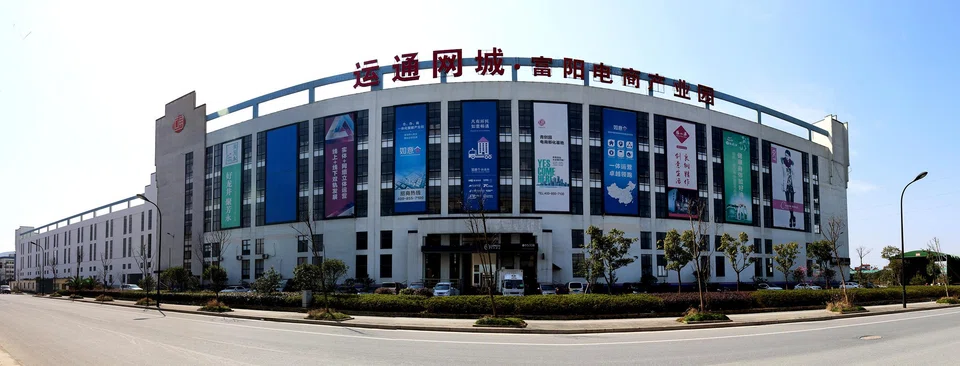
    • Fu Heng e-commerce warehouse in Hangzhou is one of the three  EC World Reit properties that have been mortgaged by the Reit's sponsor.
    • Fu Heng e-commerce warehouse in Hangzhou is one of the three EC World Reit properties that have been mortgaged by the Reit's sponsor. PHOTO: EC WORLD REIT

    EC WORLD Real Estate Investment Trust (Reit) and AEM Holdings made a couple of shocking disclosures concerning their assets in the past fortnight. But instead of arming investors with information to make reasoned decisions – as disclosures should – the announcements raised questions about the companies’ inadequate internal controls and communication.

    EC World Asset Management, the Reit manager, announced on Jan 2 that the Reit’s sponsor, Forchn Holdings, had – without its knowledge and consent – taken out mortgages in November 2023 on three of the Reit’s seven properties for loans of 268.6 million yuan (S$50.3 million) to the sponsor.

    The Reit’s manager appeared to have only learned about the “illegally procured” mortgages from its onshore security agent.


    In an update filed on Monday (Jan 15), the manager detailed the possible impact of the unconsented mortgages on the Reit, including events of default and cross-defaults in the Reit’s onshore and offshore facilities.

    An event of default would give the lenders the right to demand early repayment of the loans, the Reit manager pointed out.

    The manager has now taken control of all stamps – including the relevant company seals and legal representative seals – from the property management teams in China, as well as the title deeds of the Reit’s properties from the property manager.

    The manager is also in the process of appointing an external auditor to review the internal controls and processes of the Reit at the asset level, and is seeking legal advice on potential legal actions.

    EC World Asset Management has set out the possible consequences of the illegally procured mortgages and the circumstances under which they came to be executed by the sponsor.

    However, one detail was still glaringly missing: why were the property management teams holding on to the seals and title deeds when the property manager has no authority to do so?

    The Reit’s initial public offering prospectus filed in 2016 clearly set out the property manager’s responsibilities: to provide property and lease management services, marketing services and property maintenance and repair services for the Reit’s properties.

    According to the prospectus, the Reit trustee – DBS Trustee – holds the assets of EC World Reit on trust for the benefit of the unitholders. In fact, the trustee “must retain EC World Reit’s assets, or cause (the) assets to be retained, in safe custody”, the document read.

    In response to queries from The Business Times, a DBS Trustee spokesperson said: “DBS Trustee is closely engaging with EC World Asset Management to ensure that the matter is properly handled and remediated in the interests of unitholders.”

    Notably, the prospectus had set out measures to mitigate risks arising from possible unauthorised actions by a legal representative from the China-incorporated companies that own the Reit’s properties. These include safeguarding the company seals so they may only be used with written approval by both the chief financial officer and one of the two executive directors of the manager.

    However, the measures do not appear to have been implemented.

    In this light, it is only fair that unitholders should not be made to bear the cost of possible remedies, including legal fees that may be incurred.

    Separately, AEM on Sunday said it had uncovered a shortfall amounting to between 5 per cent and 7 per cent of its last reported inventory of S$358.6 million in November. The stocktaking exercise finding is expected to negatively impact the semiconductor equipment maker’s profitability for FY2023.

    The group attributed the shortfall to “human error in transactions” with its enterprise resource planning system, which had occurred during the migration of production to its Penang facility from Singapore.

    In the five-paragraph regulatory filing, AEM said these errors were not detected by the existing controls and processes, but added that it has started a review of its inventory and stock monitoring and tracking processes and systems.

    As in the case of EC World Reit, AEM’s level of disclosure was sorely inadequate.

    Corporate governance advocate and accounting professor Mak Yuen Teen estimated that AEM’s pre-tax profit excluding exceptional items would be overstated by S$18 million to S$25 million. Describing this overstatement as “clearly material”, the academic noted that AEM’s pre-tax earnings excluding exceptional items amounted to S$42.6 million for the nine months to September.

    He criticised AEM for not spelling out the expected impact on profitability in dollar and percentage terms.

    “Yes, one can calculate the impact on profitability if one knows basic accounting, but the lay investor may think it’s (only) a 5 to 7 per cent impact on profit when it’s going to be a lot more,” Prof Mak said.

    “Some investors may have bought shares on account of the November update… AEM is not a small company; (it has a) market cap of about S$1 billion. It is disappointing that something like this can happen, and raises questions about its internal controls.”

    EC World Reit and AEM are not newbies on the stock exchange, and should know better that the information they had disclosed – or not – was material.

    They owe investors a duty to make the information as crystal clear as possible.