Equities market can improve only with goodwill and compromise by all
The state of the local equities market has been the subject of much debate these past 12 months, plagued as it is by falling volume, an absence of a meaningful quantity of quality new offerings and (perhaps most notably) a highly disgruntled trading representative (TR) body, which is most unhappy with the direction the market is taking.
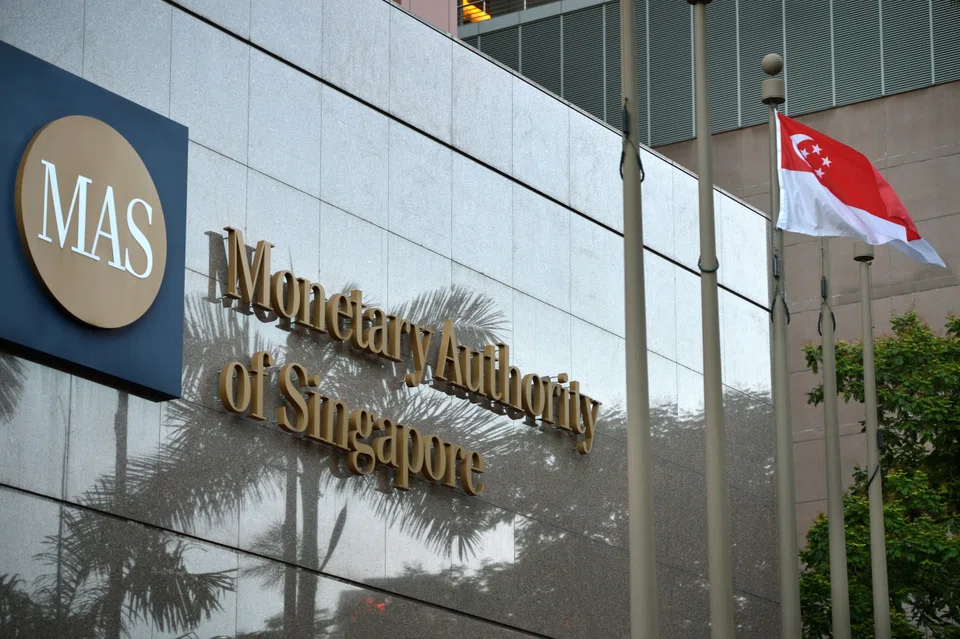
Earlier this year, these TRs sent the government a list of complaints and recommendations for improvement, which prompted a series of dialogues between the TRs and the Monetary Authority of Singapore (MAS). Two weeks ago, a senior MAS official contributed an article detailing the authorities' take on how to achieve a vibrant securities market.
Close reading of the letter penned by the TRs and the MAS article reveals common goals, among them making Singapore a transparent, preferred listing destination for investment-grade companies where everyone can trade actively and with full confidence that their interests would be safeguarded at all times.
Yet despite this commonality, TR reaction to MAS's views suggests there is still plenty of discontent within the community and a shared belief that change will not be forthcoming - because officialdom is reluctant to concede any ground to a group whose existence is likely viewed as outdated and supplanted by technology.
It is difficult to see how a vibrant market can evolve if TRs (who are significant stakeholders and represent the retail investing public) harbour deep-seated scepticism about whether their views and welfare matter, and are perpetually at odds with the authorities on market-related issues. This scepticism, disagreement and possibly even mistrust are likely contributing to lower retail participation, and this in turn has added to the market's liquidity problems.
The heart of the problem is whether the transition from a market where retail investors rely on their TRs for guidance and order execution to one driven by technology over the past 5-6 years has been properly managed. The lingering ill feelings manifest in anecdotal testimony, Internet chat forums and letters to the media suggest that it has not.
Bearing in mind that all parties share hopes for the local market that are not wholly dissimilar, the key to proper transition management lies first and foremost in an acknowledgement by all concerned that the ultimate goals are the same.
Second, it is also important for critics of the authorities to recognise that the health of the stock market (while clearly not ideal) has also been adversely affected by factors beyond the control of MAS or the Singapore Exchange (SGX): namely tighter monetary policy by Western central banks, a massive shift of intra-regional interest to China following the launch of the Hong Kong-Shanghai Connect, and the subsequent portfolio rebalancings to reflect this shift.
Third, broking firms also have a part to play. Some have been slow to upgrade their technology so as to offer customers a wider array of investment and trading choices; all still cling to an archaic arrangement where TRs bear most of the credit risk in exchange for a disproportionately small share of the rewards.
As for MAS and SGX, their vision of what makes a healthy market is sound and one that is shared by all market players. In order to achieve that vision, however, it would be essential to properly manage what is proving to be a painful transition. Perhaps a good starting point for that management would be to recognise that without compromise, there can be no agreement.