

Eradicating coal: One step forward, two steps back
Coal has new life in the current energy crunch. In the haste to meet emission targets, we should guard against letting it dig in again.
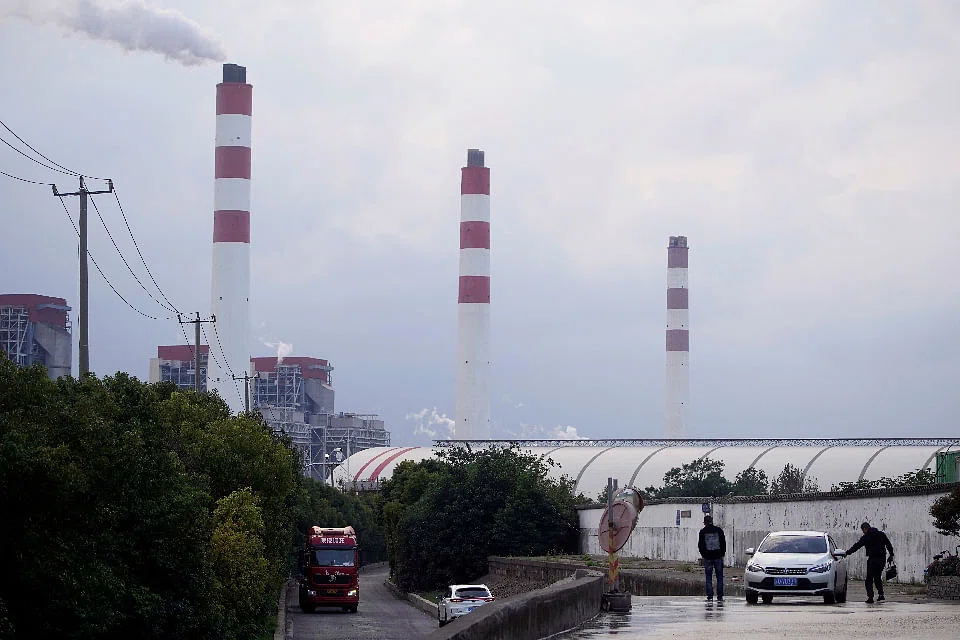
WORLD leaders will soon meet at COP26 to discuss the critical transition to green energy as part of their targets to reduce carbon emissions responsible for climate change. Meanwhile, nations around the world are facing an unprecedented energy crisis and reaching out to the most vilified of carbon-producing fuels, coal.
The coal market has been enjoying something of a renaissance, ironically at a time when the market has been doubling down on reducing emissions. With thermal coal prices increasing on an hourly basis and power producers scrambling to get the much-maligned carbon-polluting material, a sobering assessment needs to be made on the speed of transition to a green-energy world.
The energy crunch is once again a stark reminder that choices are not binary and in our collective haste to achieve aspirational emission targets, we should be guarded against entrenching ourselves further with carbon.
Being an energy lawyer gives you a front-row seat to the changes of the world's energy mix. Coal last enjoyed its boom years in the early 2000s - party driven by China's industrialisation, but also due to its inherent quality as a cheap and abundant material, traits which lent itself to the base load operations of power plants across the world.
At that time, solar and wind technologies were more expensive per gigawatt of energy produced, but technological advancements in the past 10 years have drastically improved the efficiency and costs of these renewable energy sources.
The shale revolution from 2010 meant that natural gas, a less carbon-polluting fuel, held the potential of displacing coal as the foundation fuel for the energy mix of many developed nations. Faced with the stark reality of climate change and the feasibility of consuming less-polluting sources of energy, developed nations began to shun coal in a solitary focus towards emission targets.
But that was not and still is not the reality of the developing world, such as many populous regions of Asia, which are struggling to get electricity for their industries and population. Solar and wind rightfully belong to the portfolio of any nation's energy mix, but the reality is that in the immediate future, these sources are likely to remain a minority percentage of such portfolios. Putting aside geographical constraints of deploying such projects in densely populated Asian cities, there remains an issue as to who will pick up the tab for the costs of financing such projects.
Critically, even if renewable energy can be produced, the bigger challenge remains - how to distribute such intermittent sources of energy on power grids built to accommodate a more constant source of power typically delivered from fossil fuels.
While the use of renewables and gas began to increase in the developed world, coal-fired power plants were being built at an astronomical pace in South Asia, Vietnam and the Philippines, largely with Chinese funding.
The growth of coal-fired powered plants across the developing world, alongside China's own sprawling domestic network of coal-fired power plants, meant much more carbon-producing capacity has been put in place in the last decade than has been removed. To put the carbon production into context, each power plant can typically stay in operation for 50 years.
Several Asian nations have been unable to commit to robust emission targets, demonstrating the difficulty of weaning off an addiction to coal. China has a 2060 carbon-neutrality target, but its resolve towards achieving that target must surely be tested by the current energy crisis. Undoubtedly, China has invested heavily in renewables with a view towards achieving emission targets, but it still continues to build more coal-fired power plants than the rest of the world put together. In the last few weeks, it has been struggling to secure thermal coal to keep its power plants running, emphasising the reality that energy security will always come ahead of emission targets.
Many would have scoffed at the idea last year, but today's reality is that coal is not getting to power plants quickly enough and parts of the world are at risk of suffering from outages. Scarcity has quickly snowballed into soaring demand as power plants seek to bolster their inventories, which in turn has lead to record pricing. Despite a real momentum towards eliminating carbon, paradoxically, coal is enjoying its best year in a decade. The reason may lie with the manner of its elimination and substitution in the energy mix.
In the last five years, emission targets have rightfully gained prominence in corporate boardrooms and investment in the production of fossil fuels like coal has dwindled. The trend away from fossil fuels has now been set, with many sophisticated producers existing or reducing investment in their assets.
Chronic underinvestment, in part necessitated by green corporate agendas, means that supply of coal is likely to remain constrained for the foreseeable future, as existing or new producers see little reason to innovate or be more efficient. Overlay chronic underinvestment in coal mining with China's decision to stop imports of Australian thermal coal last year due to political tensions, and the resulting outcome is an extremely tight coal supply market.
Shortages are then amplified when acute events such as floods in Indonesia, closures in Colombia or a fire at Richards Bay terminal in South Africa, affect the supply of coal, causing prices to rocket.
The other half of the energy crunch has been coal's substitute - less carbon-intensive natural gas. A series of events, some foreseeable and some not, have culminated in high gas prices across the world.
Disruptions to Russia's supply of pipeline gas and slow ramping up of US gas have curtailed the global supply of gas. With the prevalence of liquified natural gas (LNG), which enables the seaborne transportation of gas across the world, the gas market has become a key staple for most developed nations.
The problem however, arises when many nations pull their demand at the same time causing a supply crunch and in turn rising prices. These dynamics have caused some nations to once again turn to coal in the face of the price hike in gas. Then there are countries that just do not have access to pipeline gas or LNG due to the high costs in building regasification facilities to convert the liquid gas back into natural gas for distribution to power plants. The bottom line of today's world is that natural gas is still finding its way when stepping into the shoes of coal as the world's predominant energy fuel.
The risk and reality of power outages affecting both individual nations as well as China's manufacturing sector, which the world relies on, is likely to set the world back in its attempts to eradicate coal. Until the speed and nature of transition is more carefully calibrated, we might find our hands black with soot once again.
- The writer is managing director of Blackstone & Gold, an energy and commodities law firm in Singapore. He can be reached at baldevbhinder@blackstonegold.com
TRENDING NOW

Peter Kwee’s Ridley Park bungalow on the market with S$100 million asking price

Motoring tycoon Peter Kwee is back in court: Here are his previous legal battles

Demand, tech capabilities position Apac and AI as Skyscanner’s next growth frontiers: CEO Bryan Batista

South-east Asia has lost Nvidia’s best salesman

