The essentials for a sharing economy
S'pore needs to draw up regulations to keep the sharing economy safe, yet business-friendly. An agency overseeing sharing and trust activities would also be ideal.
WHEN the Committee of the Future Economy rolls out its much-anticipated report later this month, the strategies and recommendations laid out will almost certainly be shaped by two global trends: the sharing economy, and trust as a measure of value.
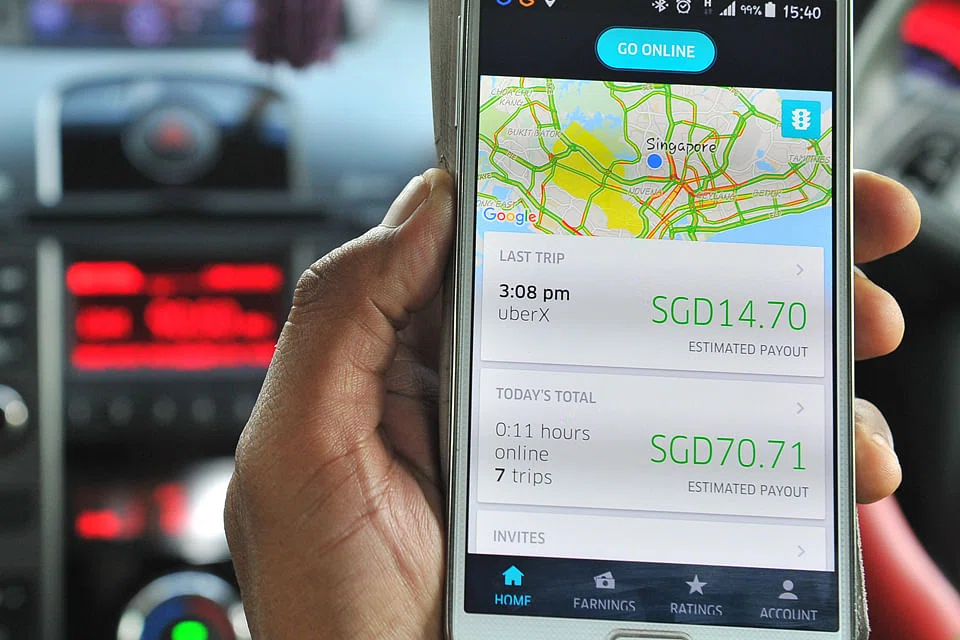
In the sharing economy, peer-to-peer lending platforms enable individuals to lend and borrow various goods and services from one another for a price. The better-known brands include platforms for financial crowd-funding such as Kickstarter and Indiegogo; accommodation-sharing such as Airbnb, VRBO and Couchsurfing; and ride-sharing via Uber or Grab.
Trust, a virtue, has become a currency in the online and sharing economy. It is the commodification of reputation, demonstrated by measurable scores of online ratings and reviews. It is facilitated by identity verification, which helps keep the providers and consumers of goods and services honest, facilitating transactions in the sharing economy.