

Europe must adapt to a dangerous world
Economic clout alone does not protect it from terrorism; EU leaders must project influence abroad to shape the international system.
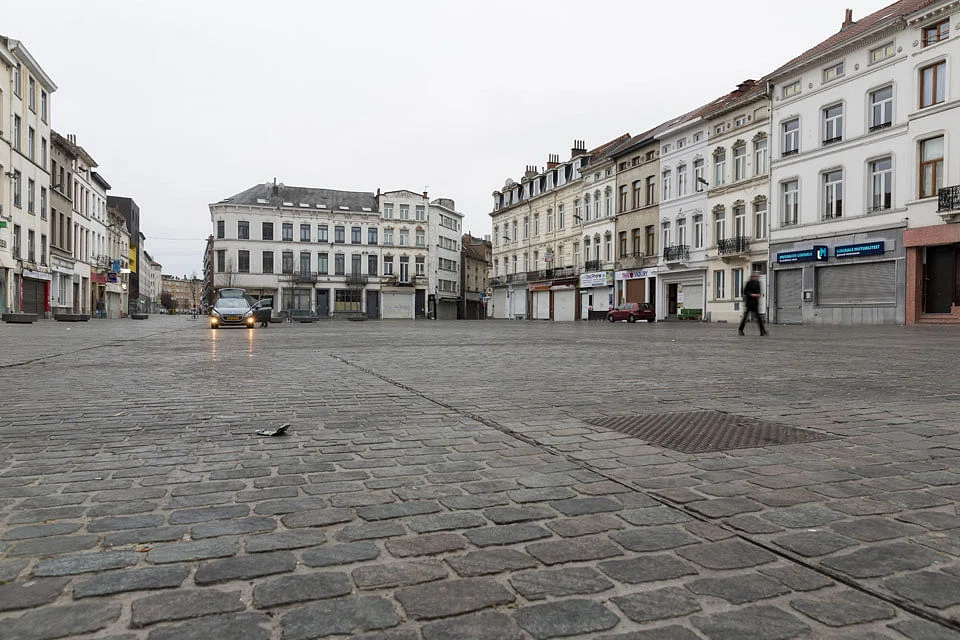
THE terrorist attacks in Brussels on March 22, following those in Paris last November, mark a turning point in the modern history of Europe. The European Union (EU) had already been weakened by a perfect storm of crises - the haemorrhaging of the eurozone, the Russian invasion of Ukraine, a Biblical tide of Middle Eastern refugees and the growing threat of "Brexit".
A terrorist sanctuary in the Molenbeek neighbourhood of Brussels, the very heart of Europe, only underlines the grim reality that the EU must adapt to new forces transforming global politics or risk the fate of previous imperial experiments to unite the continent, all of which ended in failure.
Critics go too far when they call Belgium the Afghanistan of Europe, though both Belgian and European authorities underestimated the dangers posed by what the BBC calls "gangster jihadists" - criminal young men radicalised by the war in Syria who used Brussels, where one quarter of the population is Muslim, as a base of operations for a string of attacks in Europe.
TRENDING NOW
One-third of Singapore-listed firms at risk in severe AI downturn: MAS
‘Not done’: Keppel CEO Loh Chin Hua transformed the group, but says there’s ‘still a lot to do’

He built the Vingroup empire. Now South-east Asia’s richest man is handing some key roles to his sons

‘We don’t want to stay as we are’: CEO Patrick Ng builds a more resilient Huationg

