

Europe’s gas conundrum
While the EU has managed to reduce its need for Russian oil in a matter of months, weaning off Russian gas will prove far more challenging. Will Europe pay for expensive LNG imports?
 Add BT as a preferred source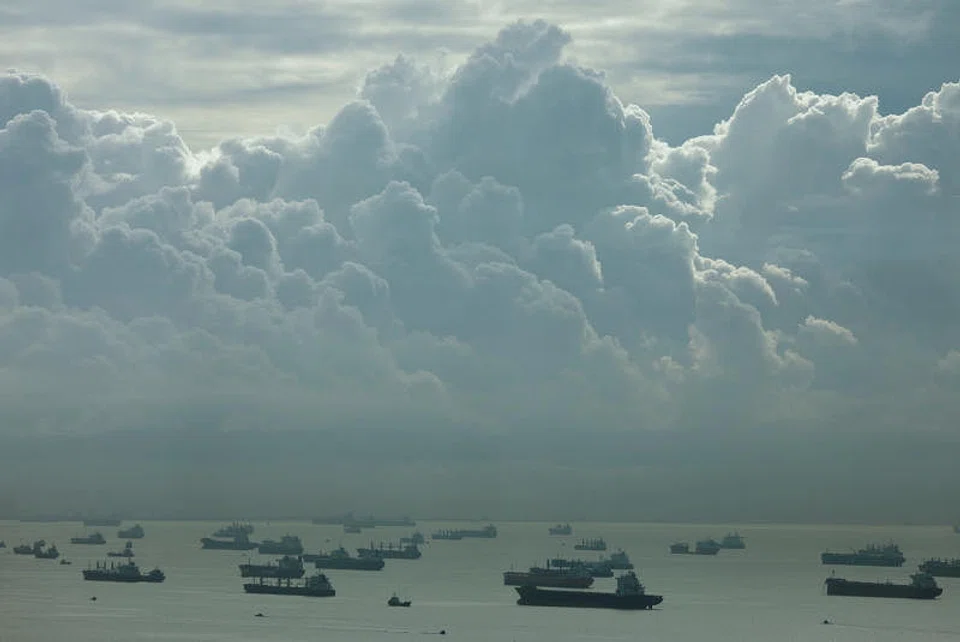
DANIEL GROS
BRUSSELS – IN A matter of months, the European Union has reduced its dependence on Russian oil so much that it is now ready to impose an embargo. European Commission President Ursula von der Leyen has announced a plan to ban Russian crude oil imports to most of the EU in the next six months, and refined oil products by the end of the year. But to have a meaningful impact on Russia’s budget, Europe must also end its dependency on Russian gas. This will prove much more difficult to achieve.
Europe has managed to reduce its need for Russian oil quickly for a couple of reasons. Oil can easily be delivered by tanker, not just pipelines, and it is relatively easy to find new supplies on the world market. The problem is that it is also relatively easy to find enough new buyers – and Russia has plenty – to offset a large part of the losses from an EU embargo.
TRENDING NOW

When every phone becomes a satellite phone, what happens to Asia’s telcos?

Lily Ler to step down as CEO of Mapletree Industrial Trust manager
Jardine C&C selling Singapore, Malaysia dealerships to Indonesia’s Chandra Asri for US$221 million gain
Digital Realty, STT GDC among data centre operators awarded 50 MW of new capacity in Singapore

