

Fair, inclusive politics can contain globalisation fallout
Politicians must show that or lose ground to the fringes.
 Add BT as a preferred source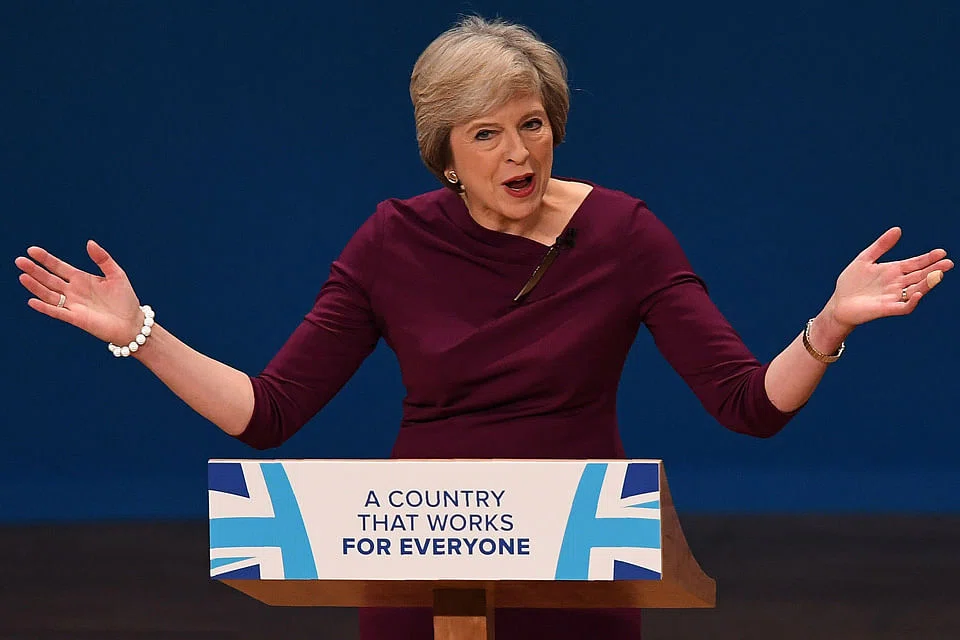
DeeperDive is a beta AI feature. Refer to full articles for the facts.
THIS Friday sees UK Prime Minister Theresa May celebrating her six-month anniversary in office. In a premiership that is likely to be defined by Brexit, Mrs May indicated this week that she favours a so-called harder exit in which the United Kingdom does not keep "bits" of the EU.
Mrs May wants to trigger Article 50 before end-March, thus starting what appears likely to be at least a two-year process to strike a Brexit deal with the remaining 27 EU states and Brussels. She has also flagged a so-called "Great Repeal Bill" will be introduced this year which will scrap the UK's 1972 European Communities Act, which gives effect to all EU law, and at the same time translate Brussels regulations into domestic law. This will potentially give Westminster the power to amend former EU laws it wants to keep, remove or amend.
However, while most UK eyes, and many internationally too, are focused on this complex issue, it is potentially non-Brexit issues that could be as determinative of the success of Mrs May's premiership. When she entered 10 Downing Street, she inherited many longstanding, contentious, policy decisions ranging from the vexed challenges like pensions reform, and the country's housing crisis; plus big multi-billion pound infrastructure issues such as whether to expand Heathrow, Gatwick and/or potentially the UK's wider airport infrastructure, despite concerns about flight emissions and global warming.
Share with us your feedback on BT's products and services
TRENDING NOW
Vietnam formalises new state leadership, redefining ‘four pillars’ power balance

‘Largest Singapore commercial S-Reit proxy’: analysts say buy CICT shares after Paragon acquisition

From 1MDB to ‘corporate mafia’: Is Malaysia facing a new governance test?
Why where you park your joint venture matters: Lessons from a US$689 million shareholder dispute

