HOCK LOCK SIEW

FHT’s failed privatisation not a complete surprise as unitholders bet on tourism recovery

Jude Chan
Published Thu, Sep 15, 2022 · 05:50 AM
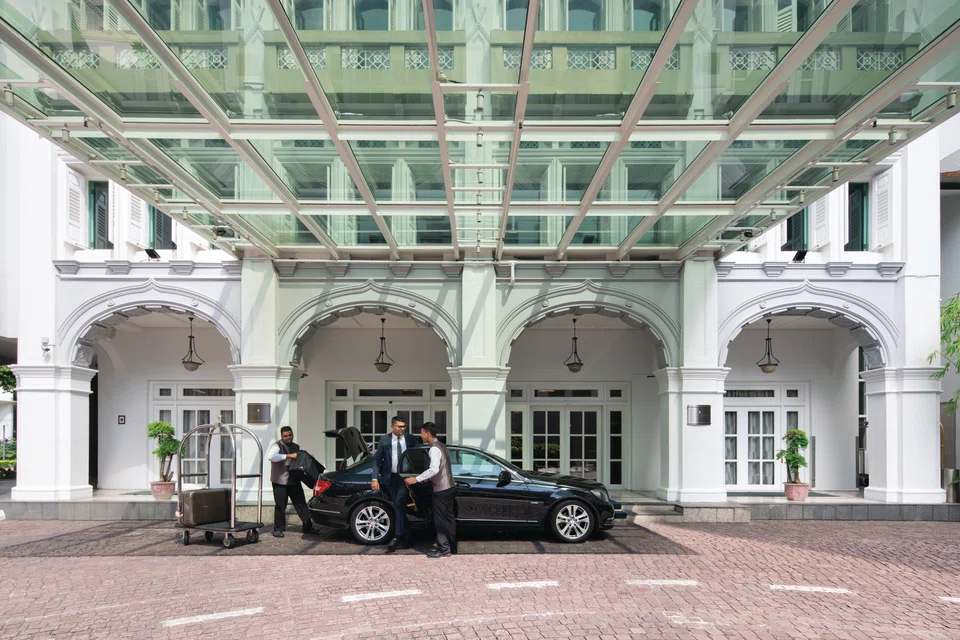
    • Intercontinental Hotel Singapore is one of the 12 properties in FHT's initial IPO portfolio.
    • Intercontinental Hotel Singapore is one of the 12 properties in FHT's initial IPO portfolio. PHOTO : FRASERS PROPERTY

    THE failed attempt by Frasers Hospitality Trust (FHT) to go private came as a surprise to some market observers.

    Opposition to the cash offering of S$0.70 per stapled security – at a 7 per cent premium to net asset value (NAV) – by sponsor Frasers Property (FPL) was generally muted.

    After all, the privatisation offer seemed generous enough – given the hospitality-focused real estate investment trust (Reit) had traded at an average discount of 19 per cent to its NAV since its initial public offering (IPO) in 2014.

    From the viewpoint of minority unitholders, however, the offer was beginning to make less sense.

    For one, the proposed privatisation, announced mid-June, comes amid a resurgence in the hospitality sector with the relaxation of Covid-19 curbs and the reopening of borders.

    Hospitality Reits listed in Singapore have seen a remarkable revival in fortunes.

    The 4 hospitality Reits with Singapore assets – Ascott Residence Trust (ART), CDL Hospitality Trusts (CDLHT), Far East Hospitality Trust (FEHT) and FHT – form the only Reit sub-sector to achieve positive returns this year.

    The hospitality Reits, excluding the US-based hospitality segment, managed average returns of 16.9 per cent in the year to end-August, according to data from Bloomberg and DBS.

    In comparison, the FTSE ST Real Estate Investment Trusts Index has returned -6.8 per cent over the same period while the benchmark Straits Times Index returned 3.1 per cent.

    The strength of the hospitality Reit subsector can mostly be chalked up to optimism over the reopening theme.

    All 4 Reits saw a significant uplift in prices around March, as Singapore announced the easing of community safe-management measures and border curbs.

    FHT received a further boost on news of its strategic review in April and the proposed privatisation announced in June, which lifted the price of its stapled securities to around the offer price of S$0.70.

    But with the hospitality sector on the cusp of a major recovery, after over 2 years in the doldrums due to the pandemic, FHT’s stapled securityholders cannot be faulted for perceiving the privatisation offer to be “opportunistic”, as one described it.

    After all, data from the Singapore Tourism Board (STB) pointed to a sixth straight month of growth in average room rates (ARR) at Singapore hotels in July, as pent-up demand drove rates to the highest level in almost a decade.

    Latest STB data released Sep 14 also showed Singapore’s international visitor arrivals grew for the 7th straight month in August.

    And while the offer was at a premium to NAV, longtime investors in the Reit rued that it was at a 20 per cent discount to FHT’s IPO price of S$0.88.

    Minority unitholders may also have felt that the Reit had not yet lived up to its promise.

    For example, in its IPO prospectus, the managers of FHT touted the merits of its 12-property initial portfolio with a total value of S$1.66 billion.

    Another 18 properties were in the pipeline, for which FHT had been granted a right of first refusal by its sponsor, that would more than double its room count.

    As at Sep 30, 2021, FHT’s portfolio comprised just 15 properties – 10 of which are from the initial portfolio – with a total value of about S$2.25 billion.

    Ultimately, the privatisation bid failed to garner the required 75 per cent of votes to go through – albeit missing by just a whisker of 0.12 per cent.

    Following the failed privatisation attempt, stapled securities of FHT have fallen nearly 24 per cent to S$0.535 on Sep 14 – below the price before it announced the strategic review.

    While the privatisation by the sponsor is now off the table, FHT still has some cards it could play.

    It could consider the sale of some individual assets that are underperforming or have less growth potential, as it rejuvenates its portfolio with the injection of pipeline assets from its sponsor.

    This could be an opportune time for strategic divestments, with Singapore hotel prices hitting new highs on the back of the hospitality revival.

    The divestment gains could be returned to unitholders, which might make some happy.

    FHT could also explore the acquisition of or merger with another hospitality Reit listed in Singapore, or the sale of the entire FHT platform to a third party at a higher price.

    With the managers of FHT having been so forthcoming in talking down the Reit’s prospects as they sought support for the proposed privatisation, however, it could be difficult now to find an interested buyer.

    The real surprise should be how a Reit backed by such a strong sponsor could have found itself in such a situation.