

Fight globalisation and Brexit angst with truth
The truth that should get out is that nations are better off from globalisation, though the internal distribution of the pain and gain are never equitable.
 Add BT as a preferred source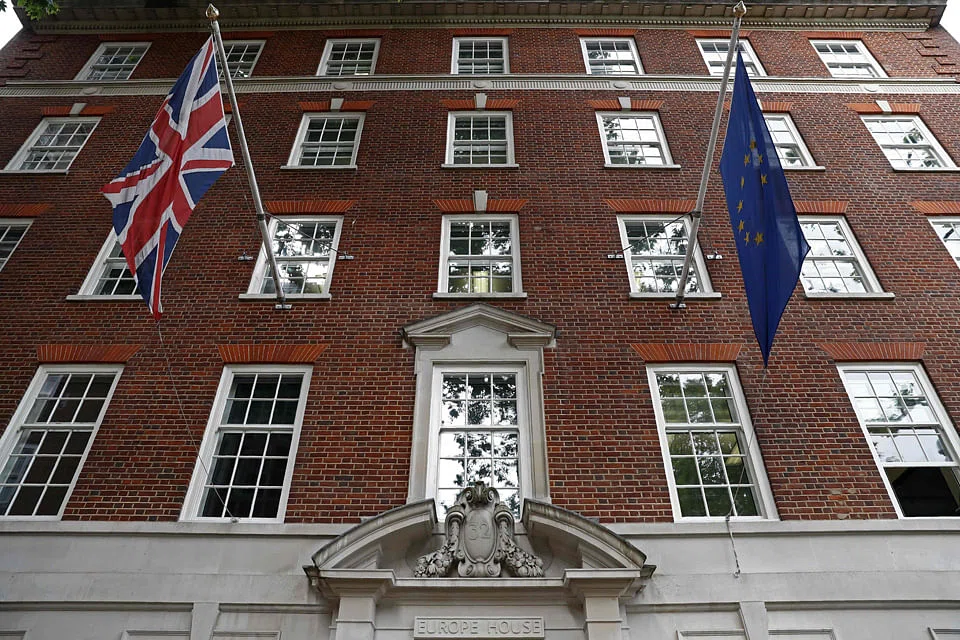
THE action of 17.4 million voters from a small island on the western edge of the Eurasian landmass has sent shock waves to the world. The message contained in the decision to leave the European Union resonates with a lot of people in other countries. More than specific concerns of the British people about the European Union, the vote highlighted growing worldwide anxiety over the impact of globalisation. A segment of the public in Europe and the United States seem united by their common concerns over integration.
Humanity is anxious about globalisation and increased trade, immigration, perceived threat of job losses and slight erosion of sovereignty when nations sign treaties or join economic blocs. And behind globalisation is the deeper issue of each individual's sense of identity and place in the world.
"Who am I?" is a question that has worried human beings from the dawn of history, but awareness of this has intensified in the 21st century, with mass media images of factories rusting and abandoned because of imports, millions of refugees on the march, killers with automatic weapons and politicians exploiting anxieties. Problems in every part of the world penetrate the consciousness of voters in other countries.
TRENDING NOW

ABSD deadline extended to up to 7 years for developers of large en bloc sites to encourage reuse of land

15-month wait-out curb lifted for private property owners buying HDB resale flats
Mortgagee-sale listings hit six-year high in H1 2026 as financing conditions tighten

Knight Frank winds down real estate agency unit, agents to move to OrangeTee & Tie

