G7 moves from macroeconomic mandate to geopolitics
 Add BT as a preferred source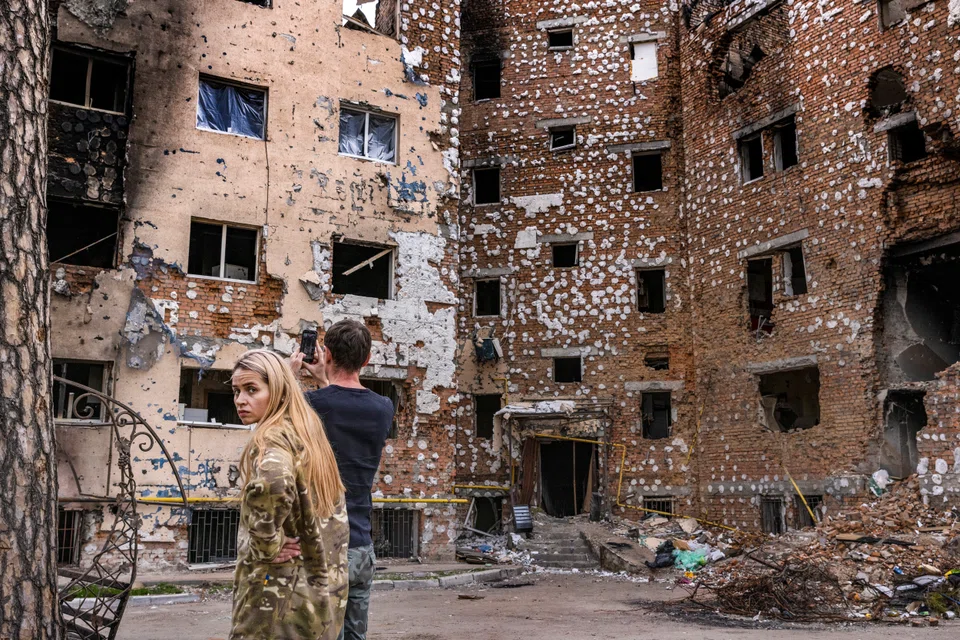
G7 FINANCE ministers and central bank governors met in Bonn last week with key items on the agenda including promoting sustainable economic recovery from the effects of the pandemic, and strengthening financial stability and resilience to cope with future crises.
This agenda reflects the fact that the G7 was created in the instability of the 1970s to monitor developments in the world economy and assess macroeconomic policies. However, its role as a geopolitical lynchpin has long been key too and this is being showcased in this year’s German G7 presidency which has been recast by Russia’s invasion of Ukraine.
The western club has helped spearhead the massive international package of sanctions against Moscow; pledged never to recognise any redrawn boundaries for Ukraine; provided hundreds of millions of dollars in military assistance; and is currently looking at the feasibility of a plan that would see Russian assets used to rebuild Ukraine.