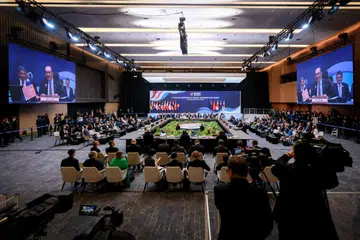
German politics at a major crossroads
With Chancellor Merkel badly weakened after the collapse of coalition talks, the country could be heading for fresh elections.
 Add BT as a preferred source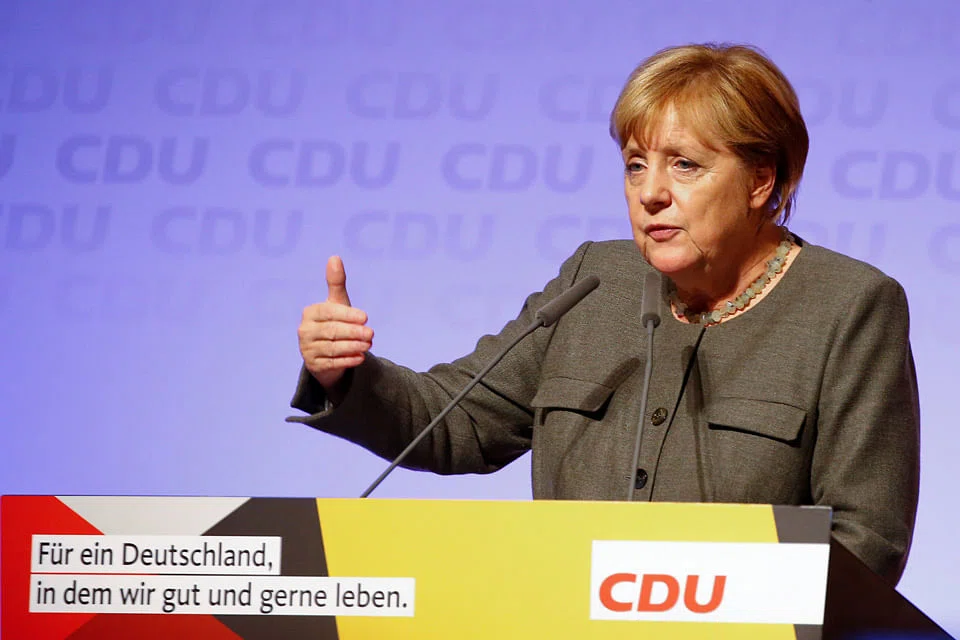
ANGELA Merkel said on Monday that she prefers fresh elections in 2018 than the option of running a minority government. This follows the dramatic collapse of coalition talks which poses the most serious threat to her continued power since she became German chancellor in 2005.
Coalition talks, unexpectedly, broke down between Mrs Merkel's right-of-centre Christian Democrats (CDU); its sister party the Christian Social Union (CSU); the liberal Free Democratic Party (FDP); and the Green Party. It was the FDP which triggered the collapse with the party's leader Christian Lindner asserting that the talks had "no common vision for modernisation of the country" with key differences over migration and energy policies.
The process of forming a government is for the president to nominate a chancellor for approval by the Bundestag. However, if no stable administration is formed after several rounds of voting by legislators, the president is required to return the country to the polls.
Copyright SPH Media. All rights reserved.