

Germany's 'traffic light coalition' is flashing yellow
Berlin is reviewing its stance on Asia. With China weighed by ageing and overborrowing, a pivot to rest of Asia seems the choice path for German jobs and growth.
 Add BT as a preferred source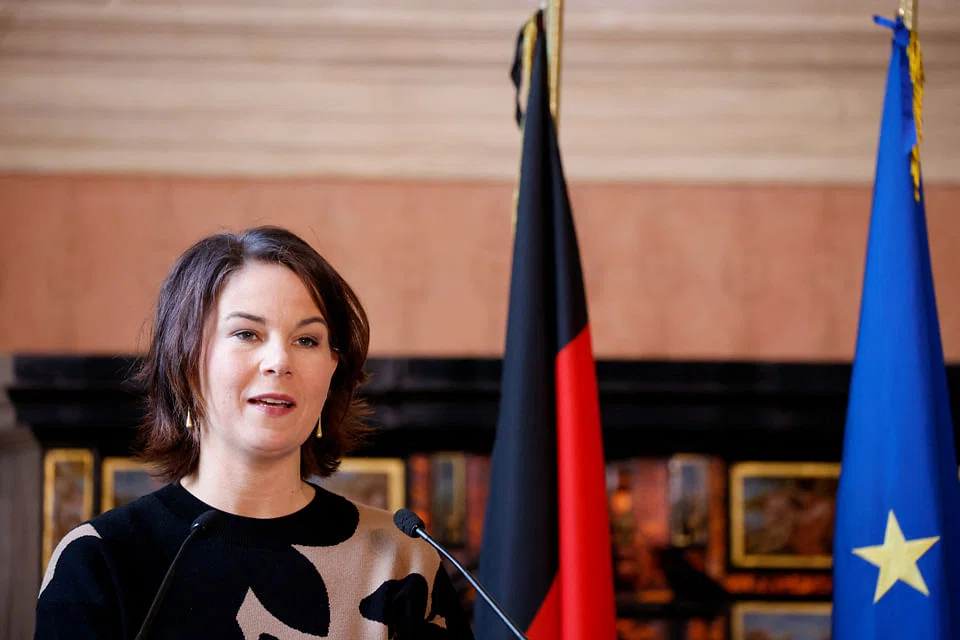
DeeperDive is a beta AI feature. Refer to full articles for the facts.
IN EARLY December, an era ended in German politics.
After 16 years, centre-right Chancellor Angela Merkel finally retired, making way for Olaf Scholz. He leads a so-called "traffic light coalition", composed of three ideologically diverse parties: his own Social Democrats ("red"), the liberal Free Democrats ("yellow") and the Green Party (well, you guessed it: "green").
There is a palpable sense of a new beginning in Germany, following years of political drift. The new coalition has laid out an ambitious agenda of modernisation, digitalisation, and a path to climate neutrality.
Decoding Asia newsletter: your guide to navigating Asia in a new global order. Sign up here to get Decoding Asia newsletter. Delivered to your inbox. Free.
Copyright SPH Media. All rights reserved.
TRENDING NOW
Japan stocks look set for new highs in 2025 on earnings, reform

Beijing’s calculated silence on the Iran war

China pips the US if Asean is forced to choose, but analysts warn against reading it like a sports result

Richard Eu on how core values, customers keep Singapore’s TCM chain Eu Yan Sang relevant

