God save the pound?
The problem with the UK’s growing budget deficit and public debt goes beyond the currency; the new policy moves can constrain monetary policy, create financial market uncertainty, complicate the inflation-unemployment trade-off, and hinder long-term growth.
 Add BT as a preferred source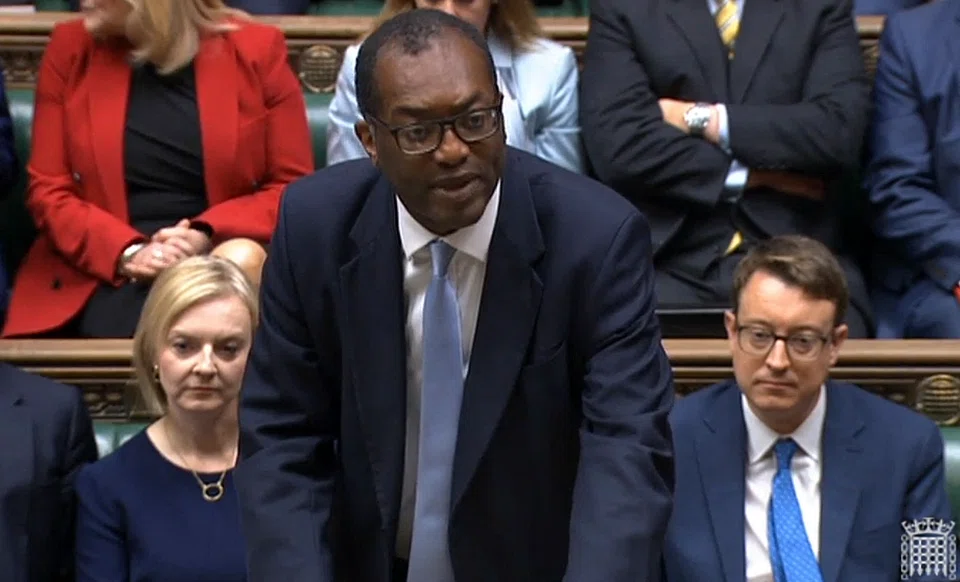
DeeperDive is a beta AI feature. Refer to full articles for the facts.
AT UNIVERSITY in the United States in the early 1980s, I was taught the iconic Mundell-Fleming macroeconomic model, which predicts that a currency’s exchange rate will appreciate in response to an increase in the issuing country’s budget deficit. The Asians, Africans, Latin Americans, and southern Europeans in the room reacted in unison, protesting that it is not like that; any sensible trader will dump the currency of a country whose government is about to engage in massive borrowing.
I was reminded of that discussion as I watched the pound sterling hit its lowest level ever against the dollar, in response to the unfunded tax cuts and spending increases announced by the government of the new prime minister, Liz Truss. The United Kingdom used to be among the countries – mostly rich and highly-developed – where the predictions of Marcus Fleming (a Briton) and Robert Mundell (a Canadian who won the Nobel Prize) held true. No more.
Back in school, it took me a while to figure out why the model that is often described as the “workhorse” of macroeconomics did not apply to emerging markets, but the answer is pretty obvious. Macroeconomics for developed countries is all about the present, because one need not worry too much about the future. Back in the early 1960s, when Mundell and Fleming were writing, it was taken for granted that advanced economies would pay their debts, or at least would not rely on inflation to erode their debts’ value. That, too, apparently is no longer true.
Decoding Asia newsletter: your guide to navigating Asia in a new global order. Sign up here to get Decoding Asia newsletter. Delivered to your inbox. Free.
Share with us your feedback on BT's products and services