Going beyond the 'global city' paradigm
Singapore should strive to be a unique regional city.
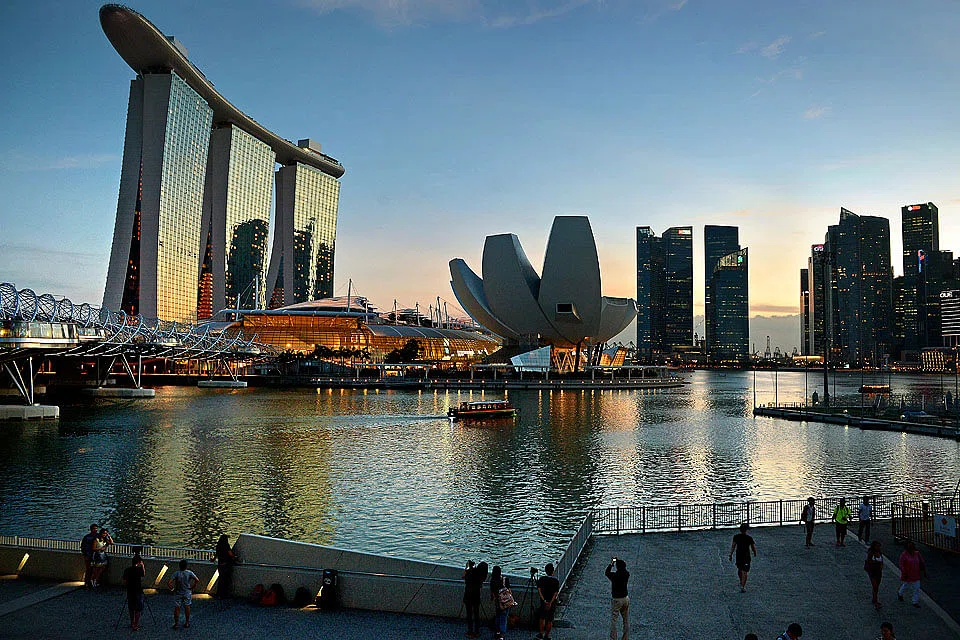
AFTER independence in 1965, Singapore's government embarked on a development strategy of manufacturing for export to the world market, a major part of the new nation's transformation from a South-east Asian regional port-city to a "global city".
A relative abundance of labour gave Singapore a resource-based comparative advantage in the export of labour-intensive goods and services - chiefly electronics assembly offshored by multinationals such as Texas Instruments and Hitachi, and shipbuilding and repair undertaken by government-linked companies such as Keppel and Sembawang.
The success of electronics exports was facilitated by favourable trade policy in destination markets, particularly the US, and technological developments enabling sub-division of the semiconductor and consumer electronics value-chains.