

Going islandwide is key to tourism sustainability
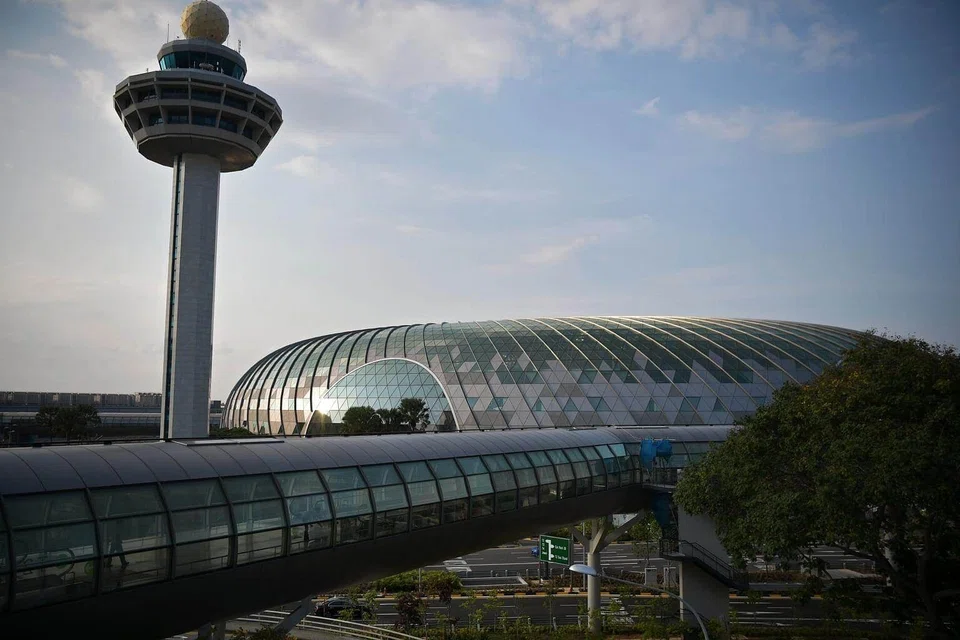
NORTH, south, east, west - it seems that the Singapore Tourism Board (STB) is certainly spreading its eggs out with prominent large-scale projects across the island.
But this is part of a strategic shift to weave tourism into areas where locals live, work and play, in an effort to persuade visitors in search of an authentic experience to spend more time here.
Let's take a virtual walk around Singapore:
There is a concerted push away from creating tourist enclaves, or areas dominated by overseas visitors. Instead, with attractions fanned out across Singapore, there is a move to create mixed-use spaces where there's something for everyone, local or tourist. The tourist-local dichotomy is eroding, with the latest tourism offerings targeted as much for the Singapore resident, if not more, as it is for the overseas visitor.
Take the new tourism project in Jurong for example. There are attractions such as the Science Centre and the Chinese and Japanese Gardens nearby, but they are part of an entire precinct that includes the Jurong Innovation District, and residential towns as well.
As STB chief executive Keith Tan emphasised during a media briefing, the Jurong project is not just a tourist attraction, but part of something far larger. It is about developing an area for Singaporeans and along the way, something was planned for tourists as well.
"Whatever we develop, it must appeal to locals," he had added.
With Singapore's size and limited land area, this is a necessary strategy for the country to grow its tourism sector sustainably.
There are also practical benefits to this. Spreading it out helps prevent overcrowding in certain districts in Singapore. Nobody wants a situation like in Barcelona, which saw residents overwhelmed and protesting against the influx of tourism just last year.
Tourism makes up 4 per cent of Singapore's economy and more significantly, creates a sizeable number of jobs as it is a labour-intensive sector. With offerings fanned out, it creates mini hubs where economic activity takes place as people living in the area can find work and enjoy the recreational activities that are on offer as well, going back to the "live, work, play" model that is increasingly being touted.
Furthermore, with attractions spaced out in areas where locals live, it helps to create a tourist experience that is more authentic. This, too, is part of STB's strategy to draw the "quality" visitor.
This does not necessarily refer to high-spenders, but tourists who are keen to get to the heart and soul of the country beyond a superficial understanding. With more to see spread around the island, it is hoped that these travellers stay longer in Singapore.
Tourism can no longer be isolated from the locals' way of life, but neither should the economy be dependent on it.
With its approach of spreading out attractions and situating them in a larger mixed-use space, Singapore appears to be striking the right balance between conflicting demands.
TRENDING NOW

If Europe goes to war, the fallout will be felt in East Asia

Indonesia stocks suffer worst plunge in nearly 30 years as MSCI proposes standalone status
Director of PR firm sacked for secretly recording internal meeting loses wrongful dismissal claim
Firms linked to haze pledge cooperation in meeting with Shanmugam; government to table changes to haze law

