

Gold may be losing its Midas touch
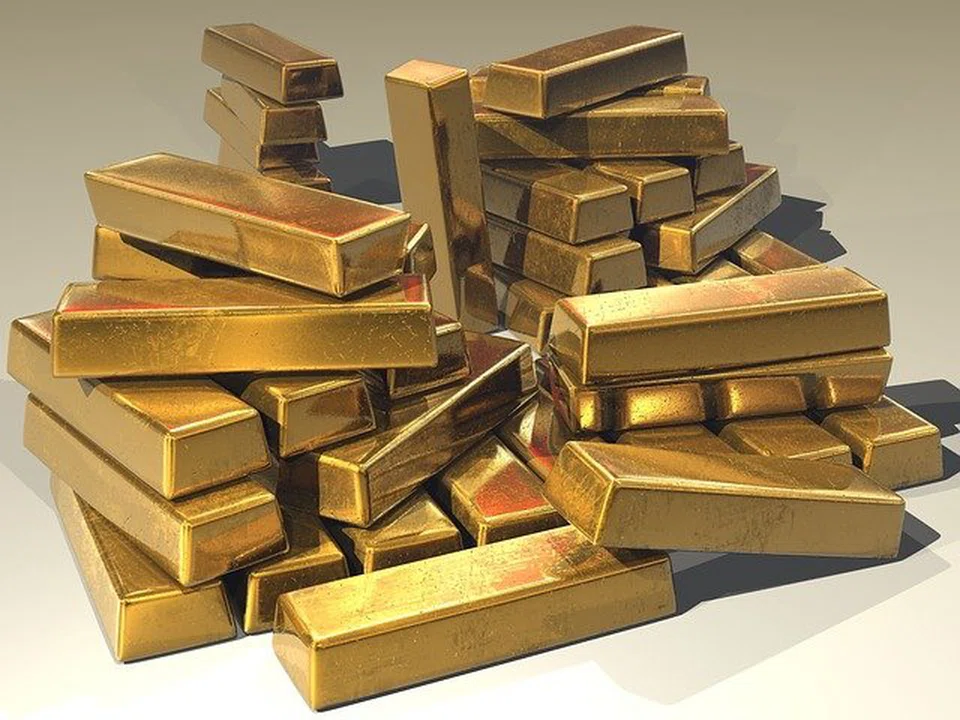
WITH all the market disarray amid global headwinds and the spectre of recession in some of the world’s largest economies, gold - a traditional safe haven asset - appears to be losing its Midas touch.
The precious metal, which shines brightest in uncertain times (think wars, pandemics and economic crises, all of which should ring a bell given the current state of play), has lately been at the receiving end of a major bout of selling that has hit riskier assets, chiefly equities. Indeed, it appears that gold is caught in the cross currents, which is impeding its typical countertrend behaviour.
That wasn’t the case earlier this year. Gold had a great start in Q1. The escalating Russia-Ukraine conflict and raging inflation led investors to flock to the precious metal, driving prices past the psychological trigger of US$2,000 per oz in early March. Over the first three months of this year, gold prices surged 8 per cent year-on-year while physical demand jumped 34 per cent - the highest quarterly increase in four years and 19 per cent above the five-year average - according to a report by the World Gold Council.
By April however, the trajectory reversed with gold feeling the burn from hawkish central banks and a stronger US dollar. The metal is currently fetching around US$1,837.95 per oz and has fallen even more since the US dollar index hit a near two-decade high on Monday and ahead of the release of US inflation figures.
Historically, the bullion shares a negative correlation with the greenback. But this relationship comes with nuances. If the US dollar reigns due to hawkish central banks and rising US Treasury yields, this would weigh down on gold. On the other hand, if the firmer dollar is led by risk-off sentiments amid the conflict in Eastern Europe, which has shaped up to be a prolonged affair, both the greenback and gold may move up. It is for this reason that the World Gold Council surmised recently that gold’s reaction could be influenced by the drivers behind the dollar rather than its direction per se.
As gold extends its longest run of weekly losses this year, the key question is - has gold’s bullish cycle ended or will the bullion touch US$2,000 again this year? While the geopolitical conflict shows no signs of letting up - this could offer gold some support - the prospects of aggressive rate hikes by the US Federal Reserve has led some analysts to reckon gold’s current sell-off has yet to reach its nadir. On that note, the latest US inflation figures will be closely scrutinised.
There are other factors that have led to gold’s pullback. China’s stringent lockdowns as it doubles down on its zero-Covid stance has deepened concerns over a slowdown in the world’s second largest economy. This in turn has hurt demand for jewellery, bars, and coins. India, the world’s biggest gold consumer after China, is also seeing weak appetite for gold mainly due to a sharp rise in prices.
The price action of gold, which tends to stand out as a sound hedge against uncertain times, has lately not been displaying its safe haven traits. But if the gloomy macro predictions play out and the US economy weakens considerably, prompting a re-think by the Fed on further rate hikes, expect the precious metal to regain its allure - and some. Bad news is good news for gold, as the saying goes.






