
Grab uses data as key weapon to beat Uber
Other Asian firms can also become giant killers by developing a data-driven culture to derive insights and uncover new opportunities.
 Add BT as a preferred source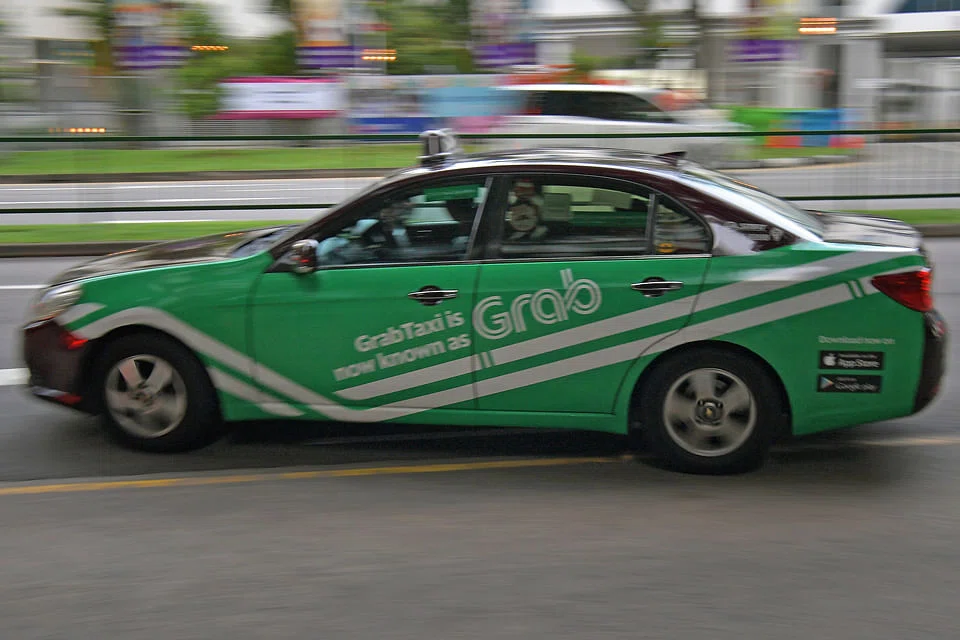
"IT WAS something I dreamt about, for sure," said Grab co-founder and CEO Anthony Tan as he shared his desire to defeat ride-hailing giant Uber in an interview earlier this year. At one point, this certainly would have sounded like a pipedream - so when the takeover was announced in March, it led many to ask how a regional player managed to take on - and defeat - the biggest ride-hailing platform in the world.
The answer: Data is a great equaliser. Data has been touted as a silver bullet which can solve all manner of problems. As a result, companies have been hiring data scientists by the dozens in the belief that they can single-handedly transform any struggling business into a market leader. But this is not how David beats Goliath.
For Grab, the key to its success was not just using data. What pushed the company ahead was how it was using data - making it central to decisions right across the business, from refining algorithms to building better promotions. Using data in this way enabled its GrabShare service to deliver a staggering two million rides and 20 million km within the first two months of launch. In a win-win situation for its two main stakeholder groups (drivers and passengers), GrabShare improved passenger match rates by 15 per cent and saw a 10 per cent increase in average driver income.
Copyright SPH Media. All rights reserved.

