

Green finance can help ensure the energy transition is a just one
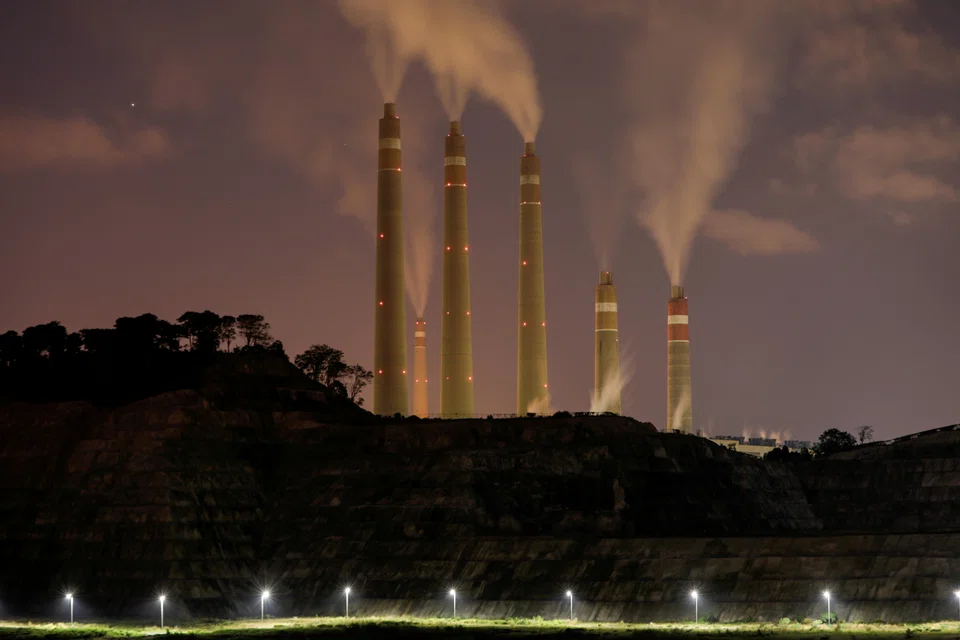
LOOK around Asia and it is not hard to see signs of positive momentum in efforts to lower greenhouse gas emissions: from Singapore’s ambitions to import solar power from Australia via subsea cable, to India’s increased wind and solar generation. In Thailand and Malaysia, pilot schemes for green hydrogen and fuel cell systems are being launched.
The region’s green energy evolution is picking up pace, with promising steps in the right direction – but Asia remains heavily dependent on fossil fuels for now.
The region’s reliance on fossil fuels has been driven by extraordinary changes in the past 20 years. Rapid economic and population growth has meant surging demand for energy, with generation capacity in South-east Asia now around four times greater than in 2000.
Industrial growth, urbanisation and a reduction in poverty have been key drivers of demand, and signs of the region’s progress. But as world leaders feel rightly pressured to address climate change over the next 30 years, they must also ensure that this transition includes investment in people and places, as much as it focuses on carbon footprint reduction.
The Paris Agreement in 2015 emphasised this need for a ‘just transition’, highlighting that environmental goals should be balanced against the need for social inclusion. People must be at the heart of a transition to net zero; decarbonisation efforts must be sensitive to their impact on employment, livelihoods, and communities. For instance, when coal plants are decommissioned, it is paramount to ensure workers have opportunities to upskill and transition into new sustainable livelihoods.
Thankfully, industries are beginning to explicitly adopt just transition principles. As the United Nations Development Programme argues, capturing public support for ambitious climate action will be far more successful if policymakers show a commitment to green business investment and job creation, rather than focusing on the challenges, cuts and costs involved.
The governance of a just transition goes beyond borders, too. It must strive to ensure that climate action does not widen the gap between rich and poor nations. Financial assistance must flow from developed to developing countries, as the latter – who are less able to facilitate change now – have been minimal contributors to carbon emissions historically. At COP26 in November 2021, the Prime Minister of Vietnam said that emissions reductions would rely on “the cooperation and support of the international community, especially from the developed countries, in terms of finance and technology”.
The concept of an inclusive and just transition applies to wealthier nations as much as it does to poorer ones. Dr Tan See Leng, Singapore’s Minister for Manpower and Second Minister for Trade and Industry, has highlighted the importance of equipping Singaporeans with the necessary skills to access good job opportunities in the clean energy sector. The nation’s Institute of Power now offers courses to help workers upskill or reskill to meet the evolving requirements of the sector.
Financial institutions can facilitate climate goals
Successfully managing a just transition requires public and private collaboration. Governments and financial institutions have critical roles to play in ensuring capital is available to support investment and innovation. Commitment to low-carbon solutions must be incentivised. Pragmatic ongoing funding is needed to realign carbon-intensive industries.
Investors and lenders both recognise the power of engaging with businesses around transition goals. Banks and other financial institutions can be intermediaries in sustainable finance, with the positive impact going well beyond the sector’s own carbon targets. However, regulations and policies must be further enhanced to provide clear frameworks and guidance for effective transition financing.
From the birth of the green bond market in 2007 to a sustainable bond market in excess of US$1 trillion in 2022, sustainable lending has already contributed to the world’s climate agenda. Other innovations such as carbon pricing, sustainability-linked lending and social bonds have also advanced efforts towards a more sustainable world.
Capital has also been directed to projects which accelerate the managed phase-out of coal power plants, as well as those which scale up clean energy technologies – from solar and wind farms to emerging solutions such as green hydrogen as well as carbon capture utilisation and storage.
As a regional service hub and a proponent of the green economy, Singapore plays a growing role in the energy transition. The nation has already established itself as a regional leader in green finance, issuing US$13.6 billion or over 50 per cent of Asean’s green, social and sustainability debt in 2021.
As part of the nation’s Green Plan 2030, the Monetary Authority of Singapore’s Green Finance Action Plan has served to grow sustainable finance in the region and globally. The government also plans to issue up to S$35 billion of green bonds by 2030.
Blended finance for a just transition
Governments and regulators should also embed just transition frameworks more clearly into existing sustainability guidelines. For example, the Asian Development Bank’s Energy Transition Mechanism, which aims to decarbonise the region’s energy sector through public and private investment – so-called blended finance – now prioritises safeguards and a just transition. Banks such as Mitsubishi UFJ Financial Group (MUFG) are also increasingly in support of blended finance to drive the region’s inclusive transition and climate adaptation at a greater scale and pace.
Under Indonesia’s presidency, the upcoming G20 summit will again put a spotlight on the clean energy financing gap and the role of financial institutions and governments in strengthening a just energy transition.
A report last year by the International Energy Agency, in collaboration with the World Bank and World Economic Forum, said that for the world to reach net-zero emissions by 2050, clean energy investment in emerging and developing countries must rise to over US$1 trillion per year by 2030, more seven times the 2020 level.
In investing in a greener future and cleaner energy, the world needs to ensure that no one gets left behind. There is no excuse for inaction at this defining moment of collective responsibility.
The writer is head of ESG finance, Asia Pacific, at MUFG Bank.
TRENDING NOW

Once staunchly pro-China, Malaysian Chinese businesses are now distancing themselves from Beijing

Cliff Tan has 7 million followers and a 4-month waitlist. Why won’t he expand his business?

Could stablecoins be the future of money?

Grab CEO’s wife Chloe Tong on life with Anthony Tan and finding her purpose

