

The hidden tax you pay for waiting
More attention should be paid to reducing 'time taxes', which can have serious adverse effects on people's well-being
 Add BT as a preferred source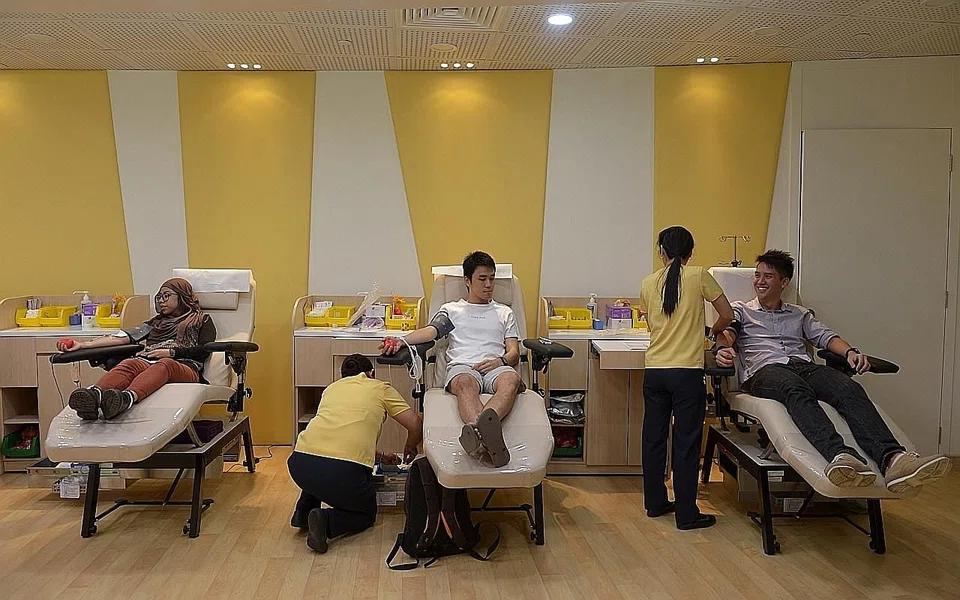
IMAGINE that whenever you planned to do volunteer work, the government told you that you must also pay a small tax. Or suppose that whenever you gave money to charity, you were charged a levy. Or that every time you gave blood, you had to start by writing a cheque to the Internal Revenue Service.
Fortunately, most countries don't tax people for good deeds. But private and public institutions do - by taking up too much of people's time. And like all taxes, a "time tax" discourages people from engaging in the particular behaviour that it penalises.
Striking evidence for this comes from a new study by Australian economics professor Robert Slonin. With the help of a large data set from the Australia Red Cross Blood Service, Prof Slonin and his co-authors quantified how variations in waiting time affected the likelihood that blood donors would come back to give again.
TRENDING NOW

Knight Frank Singapore CEO Galven Tan resigns after 2.5 years at helm

ABSD deadline extended to up to 7 years for developers of large en bloc sites to encourage reuse of land
15-month wait-out curb lifted for private property owners buying HDB resale flats
Philippines’ income upgrade hides grim reality for most Filipinos

