

Hiding in plain sight: Contextualising Singapore's godowns today
In the face of disruptive change, the import-export sector has thrived - as did the repurposed quays on the river.
 Add BT as a preferred source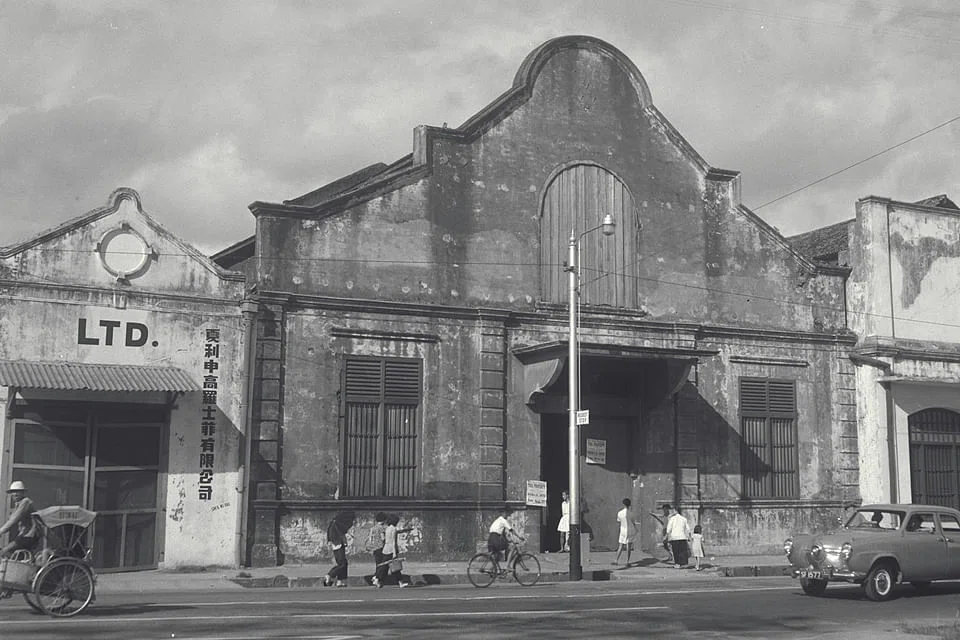
ONE of the (few) good things to come out of the Covid-19 crisis has been a new appreciation by people worldwide regarding the economic importance of logistics, particularly as it relates to supply chains. Although there have been some problems, on the whole such chains have held up surprisingly well, with some inconveniences, but minimal disruptions in most of the developed world.
Of the principal components of logistical flows - transportation, warehousing, and distribution - warehousing (the storing, maintaining, and tracking of physical goods prior to sale) is the least studied by far. Scholars specialising in transportation and marketing channels abound, but warehousing, admittedly not the sexiest of topics, has attracted far fewer students over the years. The crisis provoked by the novel coronavirus might change this state of affairs, as warehousing - a crucial component of the efficient distribution of products to anxious consumers - becomes more central to the economic narrative of our troubled times. The enhanced role in the crisis of e-commerce platforms - Amazon, JD.com, Alibaba (Lazada), Rakuten, and the like - and the efficiency of their supply chains only underscores the impressive performance of warehousing specialists in the mix.
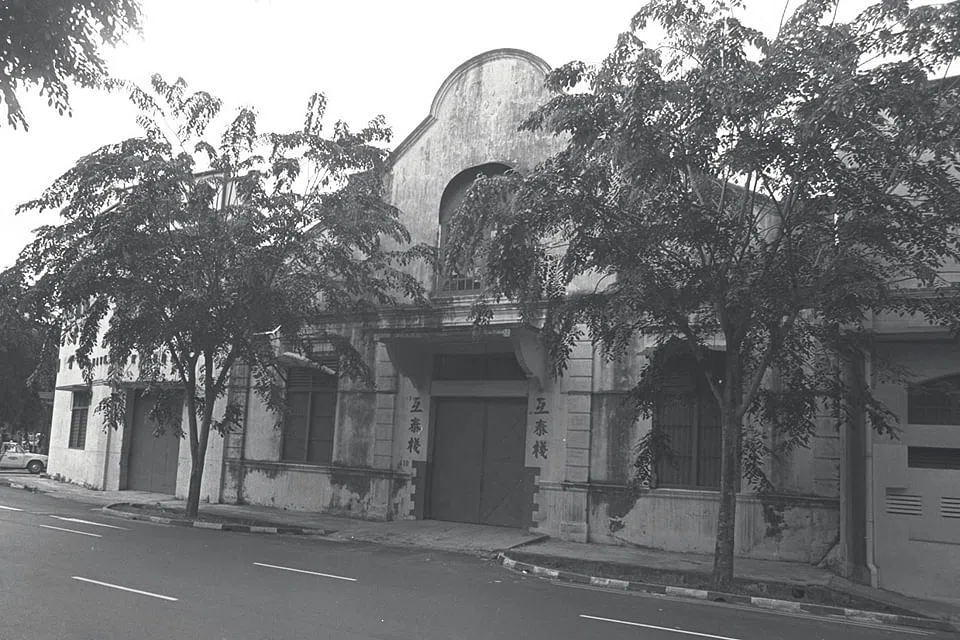
Interestingly, even before the crisis, a few observers had begun looking more closely at the under appreciated role warehouses and warehousing have played in human history. Last year, for example, the prestigious University of Chicago Press published an important book by Dara Orenstein entitled Out of Stock: The Warehouse in the History of Capitalism. This book is full of insights on the evolution of warehousing over time - on the rise of bonded warehouses and storage facilities in so-called foreign-trade zones, for example - but its focus is on the United States in the 19th and 20th centuries. The history of capitalism is obviously far more capacious. How about some similar historical attention to warehousing in Asia in general, or, better yet, in Singapore in particular?
TRENDING NOW

Yeoh Pei Xien: YTL’s third-gen scion with a pastor’s heart
Singapore banks’ battle for wealth talent goes beyond private bankers

Car dealer charged in S$1.1 million tax evasion case involving Porsches, Ferraris, Rolls-Royces
A ‘shadow bank’ hiding in Singapore’s Little India casts light on financial services gap

