

High hopes for the new European Political Community
 Add BT as a preferred source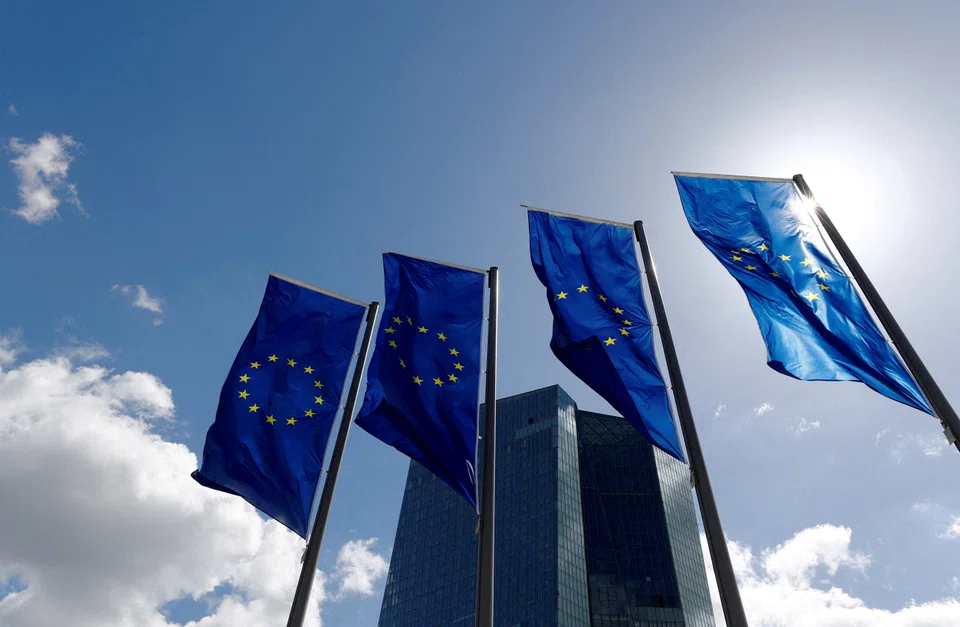
DeeperDive is a beta AI feature. Refer to full articles for the facts.
THE new European Political Community (EPC) forum meets for the first time on Thursday (Oct 6) amid massive shared challenges. Yet despite high hopes for its future in the face of the Ukraine crisis, it is wholly unclear whether the new “club of nations” will be a significant moment in Europe’s long integration project, or little more than a footnote in this history.
The formation of the EPC, which has been heavily promoted by French President Emmanuel Macron, highlights the critical policy debates underway over the role of the European Union (EU) in a more complex, multipolar Europe and world. This issue has become especially important given Russian hostility in recent years, culminating in the invasion of Ukraine in February.
It is in this context that EU decision-makers are thinking about whether and how European and Eurasian states who are not members of the 27-strong club can further develop political and economic ties with Brussels. A total of 44 states have been invited to Thursday’s big meeting, including 17 non-EU powers: the United Kingdom, Norway, Switzerland, Ukraine, Moldova, Iceland, Georgia, Turkey, Armenia, Azerbaijan, Liechtenstein, Albania, Bosnia-Herzegovina, Kosovo, North Macedonia, Montenegro and Serbia.
Decoding Asia newsletter: your guide to navigating Asia in a new global order. Sign up here to get Decoding Asia newsletter. Delivered to your inbox. Free.
Share with us your feedback on BT's products and services
TRENDING NOW

From 1MDB to ‘corporate mafia’: Is Malaysia facing a new governance test?

Middle East-linked energy supply shocks put Asean Power Grid back in focus

Beijing’s calculated silence on the Iran war
DPM Gan warns of 3 structural shifts to the global system that will bring greater challenges – and opportunities

