
The hunt for the weakest link in global finance
Credit Suisse won’t be the last firm to fall under the spotlight
 Add BT as a preferred source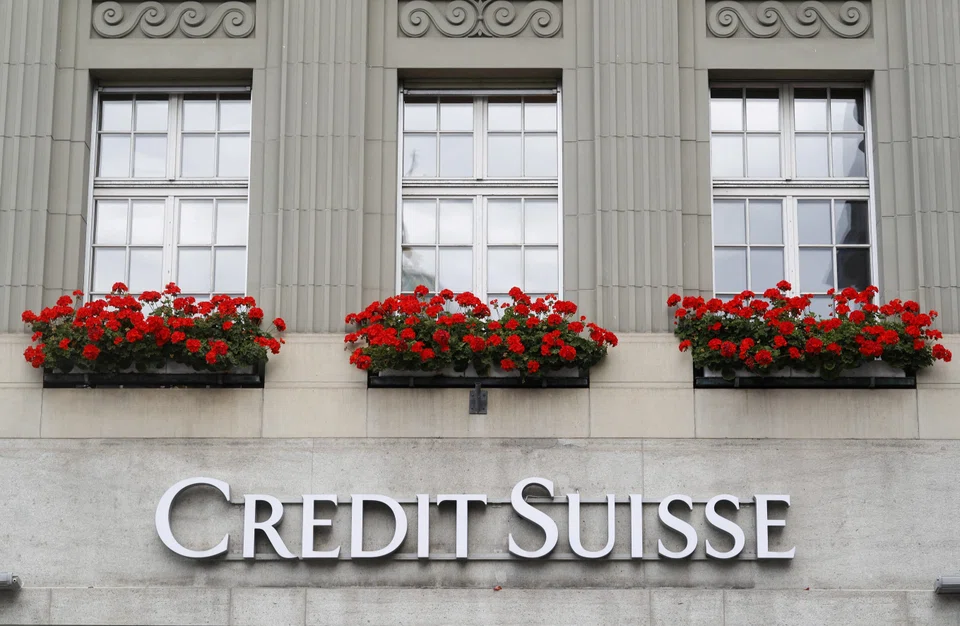
AS INTEREST rates rise and asset prices slump, investors are scrambling to identify the weakest links in the global financial system. Every bear market produces national and corporate victims who get skewered. In the 1997 to 1998 rout, Thailand’s economy imploded, as did LTCM, a hedge fund. Iceland and Lehman Brothers were victims in the 2008 to 2009 slump.
Today, one country has already been picked off: Britain, where the currency has fallen and the central bank has had to intervene in the bond market to bail out the pension system, whose overseers had foolishly made vast bets on continued low volatility. Now, some believe an institutional victim of the great 2022 sell-off in markets has been spotted: Credit Suisse, a storied Swiss firm that spans wealth and asset management, private banking and investment banking.
Its shares have fallen by 55 per cent this year and its credit default swaps, which measure default risk, have risen. These two red lights will be familiar to anyone who witnessed Wall Street firms struggling in 2008 to 2009, as will the statements by Credit Suisse’s managers that the bank has a strong liquidity and capital position. This year’s version of a confidence scare at a bank comes with a new twist, too: a swirl of malicious, mad and made-up rumours on Twitter and elsewhere. Welcome to the too-big-to-fail problem in the social media age.
Decoding Asia newsletter: your guide to navigating Asia in a new global order. Sign up here to get Decoding Asia newsletter. Delivered to your inbox. Free.
Share with us your feedback on BT's products and services

