
Identity to dominate 2020 US election race?
President Donald Trump is hoping that the political debate taking place next year would focus on the issue of social-cultural identity and not on social-economic inequality.
 Add BT as a preferred source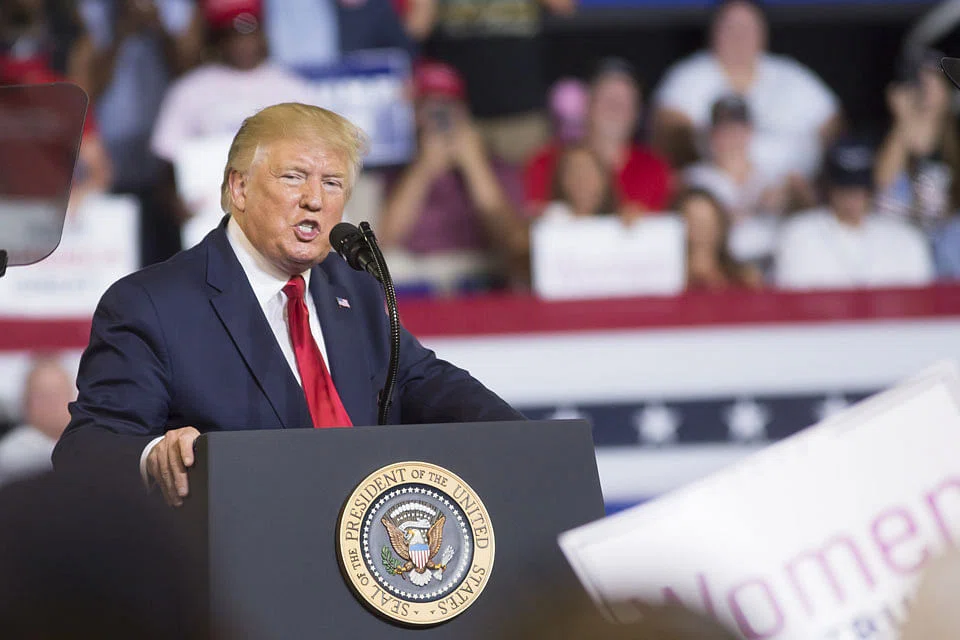
SINCE the 2008 financial crisis and the ensuing Great Recession, the political conventional wisdom among pollsters, pundits and academics has been that most Americans have become more sceptical of, if not hostile to, the free market dogma that has ruled Washington since the presidencies of Republican Ronald Reagan and Democrat Bill Clinton who were sympathetic to Corporate America and Wall Street and helped drive the process of economic globalisation, including the liberalisation of the international trade, investment and immigration systems.
This public backlash against so-called "Neo-liberalism" has been sweeping other parts of the industrial West, including Britain and most of Western Europe, with growing numbers of voters demanding that governments pay more attention to the concerns of the middle class and manufacturing workers instead of protecting the interests of multinational corporations, the wealthy and the rest of the "globalist elites". Focusing on the growing economic-social inequality in the United States between the large number of Americans (in particular blue-collar workers in the Rust Belt) and the super-rich "One Percent" should be placed at the centre of the national political debate.
Very few political scientists will now challenge the conclusion that the election of President Donald Trump and the passage of Brexit as well as the rise of populist political movements in Europe reflected these changes in public opinion and explained why more and more voters were willing to support ideas that would have been dubbed "radical" only a few years ago - abrogating free trade deals, placing restrictions on immigration, creating a government-based healthcare insurance system and providing free university education.
Copyright SPH Media. All rights reserved.

