

If crashes are rising in Malaysia, fix the roads – not the courts
While most such accidents are attributed to human error, poor infrastructure makes mistakes more likely

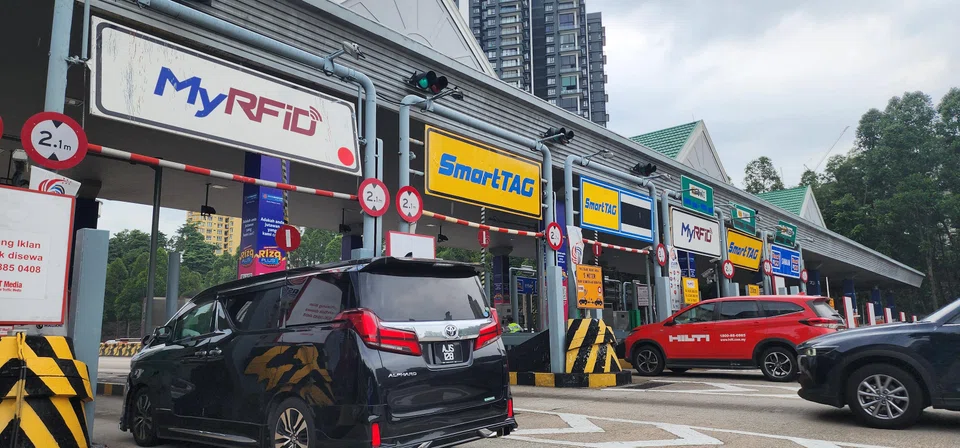
CALLS in Malaysia for dedicated courts to handle road crash cases – amid a worrying uptrend in accidents – may be a practical and natural response to clear a growing backlog. But could it be the wrong place to start?
The question shouldn’t be how to process these cases faster, but why road accidents are piling up in the first place. This matters, for Malaysia is not short on ambition.
The Malaysia Road Safety Plan (MRSP) 2022-2030 has set a clear target: to halve road deaths by end-2030 from a 2019 baseline of 6,167. But several years since its launch, fatalities remain stubbornly high – if not higher.
The cost is human as well as economic. Transport Minister Anthony Loke said in 2024 that road accidents cost Malaysia at least RM25 billion (S$8 billion) in economic value in 2023. The impact shows up in lost productivity, medical costs, emergency response – and of course, lives cut short.
Part of why the toll keeps rising lies in something basic: the roads themselves.
The MRSP says this as much, identifying safer infrastructure – from lighting and lane markings to pedestrian facilities – as part of the road-safety equation. It even envisions “self-explaining roads” that guide drivers intuitively.
But anyone who has missed an exit on a poorly lit stretch of the Klang Valley (even with GPS guidance), felt their tyres thud over uneven surfaces, found themselves looping under a tangle of flyovers, or ending up on a pitch-black plantation road in another state, will know that many roads in the country are stress-inducing – and anything but self-explanatory.
While most crashes are attributed to human error, bad roads make errors more likely.
Studies on Malaysian road conditions highlight inadequate lighting, weak visual guidance and faded markings as factors that impair drivers’ ability to see and respond, more so at night.
The transport ministry has also identified pedestrians as some of the most vulnerable road users, underscoring the need for proper crossings and walkways.
Yet safer infrastructure remains just one of 10 priority areas in the national plan – merely one lever among many, rather than the foundation that underpins them.
The International Road Assessment Programme (iRAP) has rated a significant share of Malaysia’s assessed roads at three stars or below – a reminder that many roads are still not built to protect people when things go wrong.
One set of figures is striking. The Malaysia Road Safety Profile 2025, citing iRAP estimates, says that an annual investment of US$507 million in road safety measures could save around 2,000 lives a year.
Set that against Malaysia’s annual economic losses from road accidents, and it strengthens the case to view safer roads as an investment with clear returns.
Recent fatal crashes have also shown how quickly public discussion can turn to blame – whether over drink-driving, recklessness or even ethnicity.
But focusing only on behaviour and punishment assumes that the system is otherwise sound when it is not.
While road safety sits across several policy frameworks in Malaysia, it appears that safer infrastructure is still not given the scale of weight and attention it deserves.
None of this argues against enforcement, dedicated courts or action against reckless drivers.
But a country does not become safer by processing crashes more efficiently. It becomes safer by designing roads where fewer happen.
TRENDING NOW

Once staunchly pro-China, Malaysian Chinese businesses are now distancing themselves from Beijing

Britain’s mansion tax shows the difficulty of targeting wealth

Three hats, one goal: How Ng Kian Swan runs sustainability at NUHS
COE review: The gap between luxury and mass-market cars isn’t the only one worth bridging

