

The impact of smart cities
The real estate industry now has the opportunity to offer, beyond the physical space, the place where human lives happen and memories are built.
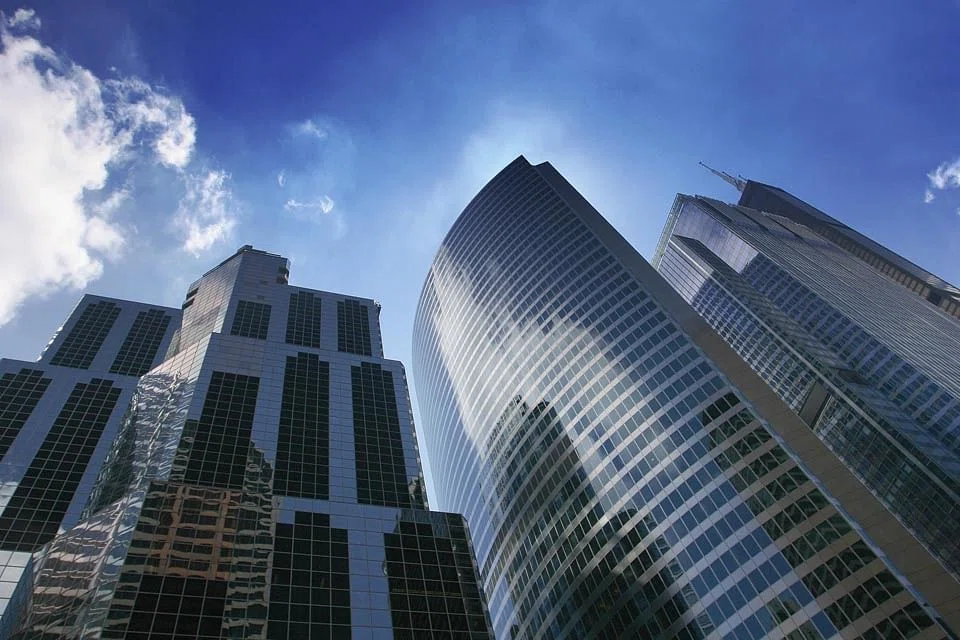
IN A prescient speech in 1983 titled "The Faces of Good and Evil affecting the Soul of Real Estate Finance", James Graaskamp, one of the great academic thinkers of real estate, predicted that "database systems will one day provide meaningful records of occupancy, absorption, energy efficiency, traffic counts, and highly detailed information about consumers of every product and service".
Building permits, Graaskamp added, "will require justification of demand estimates". What he was predicting was nothing less than the impact of big data on real estate in specific neighbourhoods, which opens the door to "smart cities" as defined by today's researchers.
The concept of smart cities has been linked to urban planning, architecture, technology, but rarely to real estate. However, if smart cities are to become a reality, the real estate industry will have to be involved insofar as it will be instrumental in implementing the "smart" agenda. So, what could realistically be the impact of the smart city concept on the real estate industry? How will "smart" affect the way the real estate industry operates, competes, and ultimately creates value for society? To answer these questions, several angles have to be considered.
TRENDING NOW

Malaysian king buys stake in Singapore-listed mining firm expanding into rare earths

Grab CEO’s wife Chloe Tong on life with Anthony Tan and finding her purpose

Once staunchly pro-China, Malaysian Chinese businesses are now distancing themselves from Beijing
Longer wait times expected as S’pore healthcare institutions report system disruptions

