India leaps forward in the space market
The latest launch of a cluster of small satellites shows the nation is poised to occupy a key position
 Add BT as a preferred source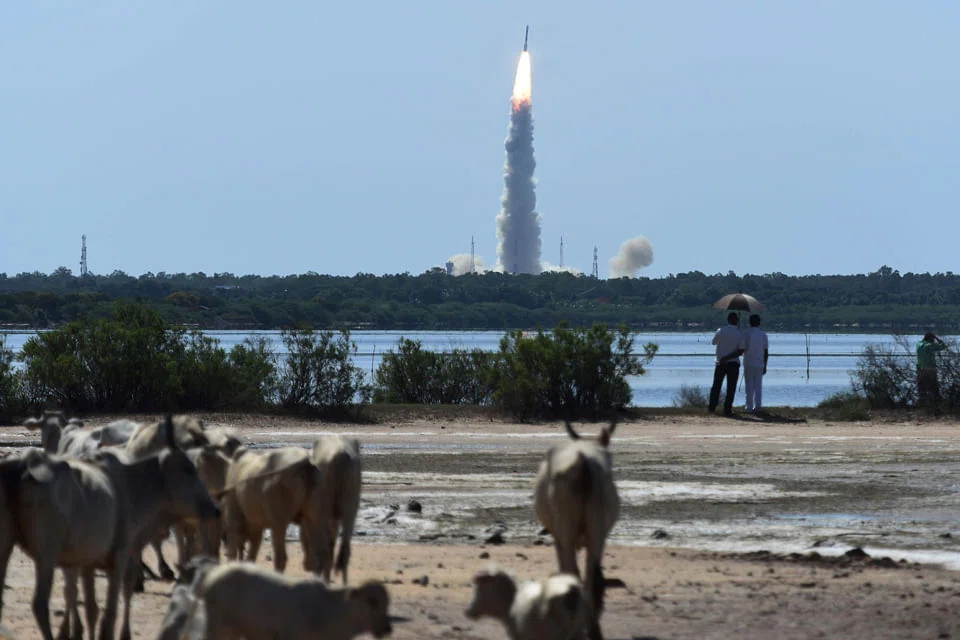
THE Indian space programme took a leap forward last week when a launcher put 20 satellites into space. It wasn't the weight of the satellites that was significant but the precision needed to put them into space within minutes of each other without any mishap. The largest was a 725 kg satellite from India to be used for earth observation. The smallest - weighing just one kg - was one fabricated by students in the city of Pune. In addition, there were 13 satellites from the US, two from Canada and one each from Germany and Indonesia, with a total weight of 1,288 kg.
The launcher was the PSLV which has become the workhorse of the Indian launch strategy. The PSLV has had 29 successful flights during the 1994-2015 period, and has launched a total of 77 satellites with 45 satellites for customers from abroad. The vehicle has repeatedly proved its reliability and versatility by successfully launching satellites into a variety of orbits.
This was the first time so many satellites had been launched simultaneously by an Indian rocket, though the record is 35 launched by Russia a few months ago. A multiple launch allows small satellites to be launched at a lower cost. Currently the international launch industry has an income of US$5.4 billion, compared to satellite manufacture of US$15.7 billion, and global satellite revenues were US$195 billion, mainly from consumer TV services.