India upgrades its armoury
India's reliance on imports may well continue even as it seeks to develop an indigenous military industry.
 Add BT as a preferred source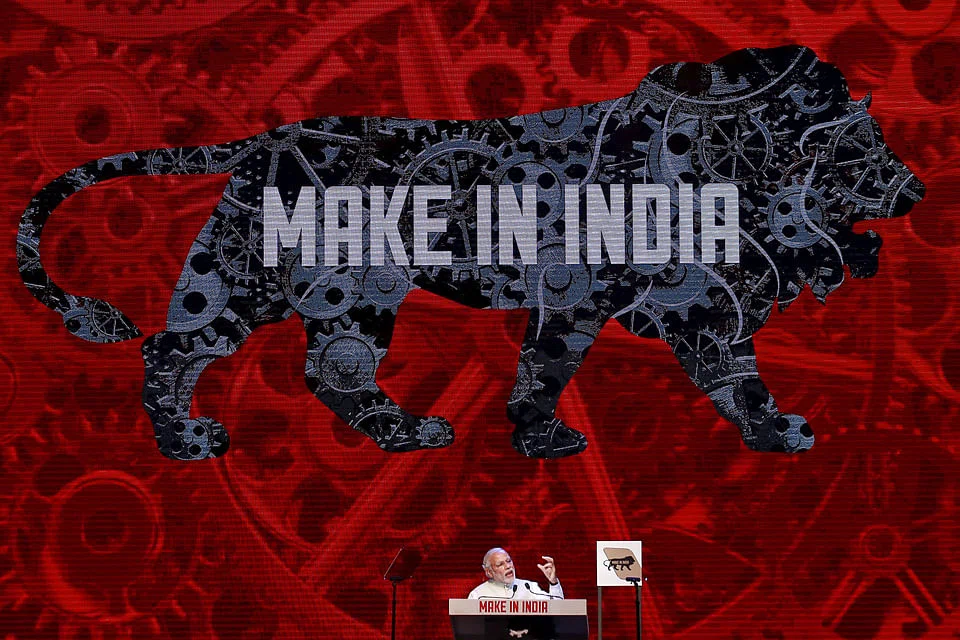
DeeperDive is a beta AI feature. Refer to full articles for the facts.
BY FAR the largest importer of arms in the world, India is poised to spend an estimated US$310 billion (about 20.6 trillion rupees) by 2022 on upgrading its arsenal. Vying for these sweepstakes are global arms vendors as well as domestic suppliers that are exploring all viable options such as forming consortia, joint ventures (JVs), public-private partnerships (PPPs), and outright sales.
Facilitating such partnerships will be the Defence Procurement Procedure (DPP) 2016 launched on March 28 by Defence Minister Manohar Parrikar at the opening in Goa of the four-day Defence Expo 2016. Unveiled before a gathering that included representatives from 48 countries and more than 1,000 defence-related companies, DPP 2016 seeks to foster a credible military industry that will cater to the requirements of the Indian armed forces as well as exports. Mr Parrikar was confident that the Procedure, effective from April 2, would streamline and simplify defence procurement procedures for boosting the government's "Make in India" mission through indigenous design, development and manufacturing of military hardware. A defining feature was to ensure probity at all stages of the procurement process.
The Stockholm International Peace Research Institute (SIPRI) rates India the largest importer of arms, with a 14 per cent share in global arms imports between 2011 and 2015. India's mobilisation has been driven by concerns about the critical gaps in the tactical and strategic defences of its armed forces that have hitherto been largely served by vintage Soviet-era defence equipment. Another factor has been the concerted expansion of the offensive capabilities of both Pakistan and China on its frontiers.
Copyright SPH Media. All rights reserved.