

Indonesia must act urgently - or collaborate - to deal with the haze
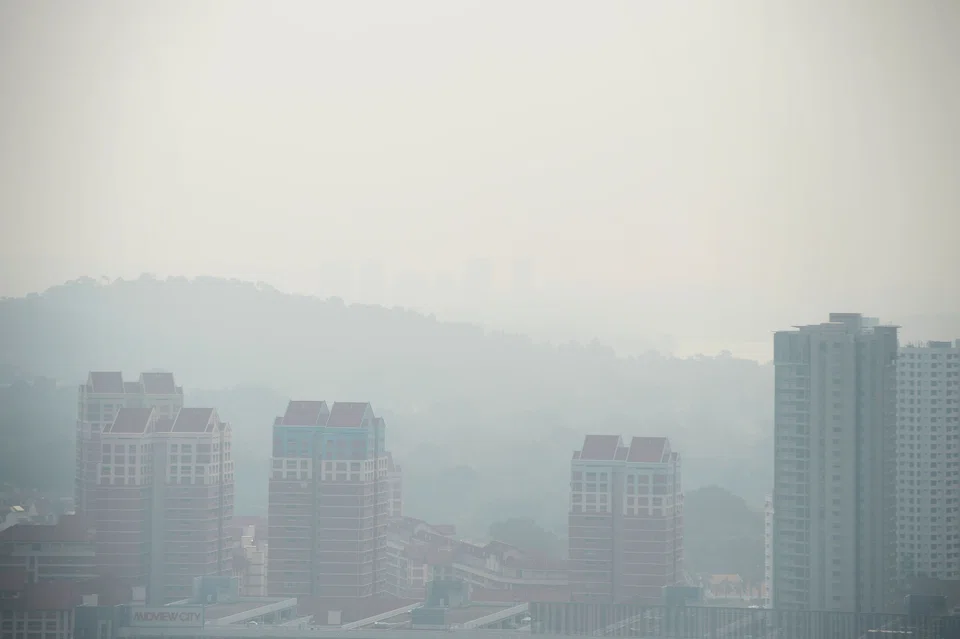
ONCE again, Singapore's skies are choked in a thick haze - a result of a soaring number of forest fires in neighbouring Indonesia - and still there does not seem to be a ready solution to combat this recurring problem effectively.
The current haze in Singapore is at its worst levels in two years, with the three-hour Pollutant Standard Index (PSI) breaching the "very unhealthy" mark of above 200 several times in the last few days alone. The 3-hour PSI reading hit 249 at 9pm on Monday, the highest so far this year. This came on the same day that the number of hot spots in Sumatra rose to 982, the most in two months.
While the haze may be deemed an environment hazard, there are knock-on effects on the economy, tourism and everyday life. Already, two major events were affected over the weekend. The Singtel-Singapore Cancer Society Race Against Cancer, which was due to take place on Sunday, was called off the night before due to safety and health concerns.
Those in charge of the POSB PAssion Run For Kids decided to scrap two categories at the last minute on Sunday morning. Organisers for this week's Formula One race are also keeping a close eye on the haze.
Singapore, of course, is not the only country bothered by the suffocating smog. Many parts of Malaysia have recorded unhealthy pollution levels of late, including the capital Kuala Lumpur. Brunei, the Philippines and Thailand are also affected to certain degrees.
There needs to be a collective effort to address the issue, so it is disappointing that Indonesia has opted to handle the problem on its own. Singapore's offer last week to deploy military aircraft was initially accepted but then turned down.
With Indonesia having declared a state of emergency in Sumatra's Riau province on Tuesday after forest fires put its air quality at a dangerous level, there is an urgent need for more manpower and equipment to control the situation.
It was not too long ago that environment ministers from the region committed to sharing land-use concession maps among governments, while an Asean Haze Monitoring System was given the green light by the bloc's leaders at their summit in October 2013.
This monitoring system is not yet operational, partly because Indonesia maintains that it does not have an authoritative, consolidated and all-encompassing map for all its lands and concessions. Meanwhile, there is some confusion as to whether Indonesia's laws prohibit the country from sharing crucial information about hot spots from satellites.
In January this year, Indonesia finally ratified a long-awaited regional agreement on haze pollution that is binding on all 10 Asean member states. The agreement calls on Indonesia to take proper measures to ease the problem through efforts of its own and international cooperation, failing which it can be held liable for the impact of haze on its neighbours.
It is clear that governments should do everything possible to tackle the haze problem, but the progress and cooperation so far is frustrating for the lack of results. Indonesia has to proactively take the lead and seek all the help that it can get to clamp down hard on those who flout the laws when it comes to the burning of forests.
TRENDING NOW

Despite the de-dollarisation debate, demand for dollar liquidity in Asia is growing
URA to review guidelines on floor space to give developers more design flexibility: Chee Hong Tat

He built the Vingroup empire. Now South-east Asia’s richest man is handing some key roles to his sons
Can a first-time homebuyer couple earning S$18,000 a month afford a new EC unit?

