

Inflation: a revolution of falling expectations
 Add BT as a preferred source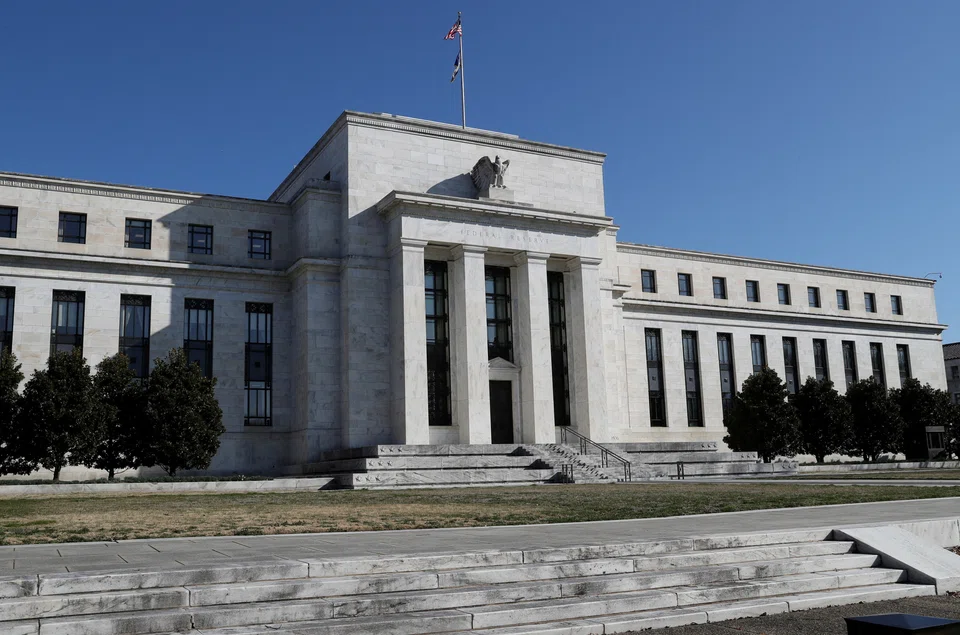
MACROECONOMIC policy in the United States has been subject to 2 great errors over the past half-century. The odds are that you’ve only heard about the first: the way the Federal Reserve allowed inflation to become entrenched in the 1970s. But the second — the way policymakers allowed the economy to operate far below capacity, needlessly sacrificing millions of potential jobs, for a decade following the financial crisis — was arguably even more severe.
The task facing today’s policymakers, which, given Joe Manchin — er, gridlock in Congress — effectively means the Fed, is to try to steer a course between Scylla and Charybdis, avoiding both past mistakes. (Which mistake is Scylla, which Charybdis? I have no idea.) The good news, which by and large hasn’t made headlines but is extremely important, is that recent data is showing encouraging signs that the Fed may pull this off.
This news also, however, suggests that the Fed should steer a bit further to the left than it may previously have been inclined to, and turn a deaf ear — stuff its ears with wax? — to demands it turn hard right rudder.
TRENDING NOW

Knight Frank Singapore CEO Galven Tan resigns after 2.5 years at helm

ABSD deadline extended to up to 7 years for developers of large en bloc sites to encourage reuse of land

15-month wait-out curb lifted for private property owners buying HDB resale flats

Philippines’ income upgrade hides grim reality for most Filipinos

