

International trade is where Obama, Republicans find common ground
 Add BT as a preferred source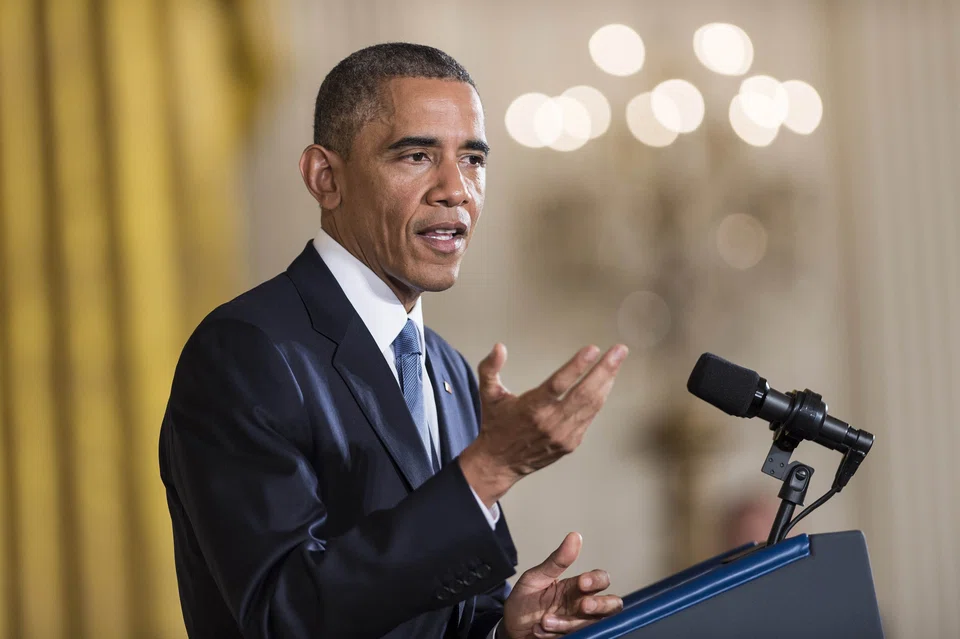
DeeperDive is a beta AI feature. Refer to full articles for the facts.
ONE doesn't have to be a Washington "insider" to recognise that US President Barack Obama will be starting the last two years of his second term in office with much less political capital. Like any White House occupant who is approaching the end of his or her tenure, Mr Obama would be regarded as a "lame duck" president, constrained in the ability to move things in Washington.
In the case of Mr Obama, the Democratic president finds himself with even less clout to impact policy than other lame duck presidents. In the aftermath of the mid-term elections, with the Republican opposition gaining more power on Capitol Hill, its leaders have made it clear that they will continue obstructing the agenda of a president who, according to opinion polls, enjoys low public approval ratings for his domestic and foreign policies.
That means that the chances of Mr Obama marshalling congressional support for some of the major programmes he has been advancing - fixing the nation's infrastructure; immigration reform; and climate-change legislation - are slim. Nor can one expect any major progress in trying to fashion a bipartisan plan to put the country's fiscal house in order.
Copyright SPH Media. All rights reserved.
TRENDING NOW
Shelving S$5 billion office redevelopment plan proved ‘wise’ as geopolitical risks mount: OCBC chairman
OCBC is said to emerge as lead bidder for HSBC Indonesia assets
Middle East-linked energy supply shocks put Asean Power Grid back in focus

Eurokars Group introduces rental car franchises Enterprise Rent-A-Car, National Car Rental, and Alamo to Singapore

