

Iran's re-emergence and a new regional power equation
As Iran flexes its economic muscle in Opec and internationally, a key question is what this enhanced power will mean for its political posture in the region and beyond.
 Add BT as a preferred source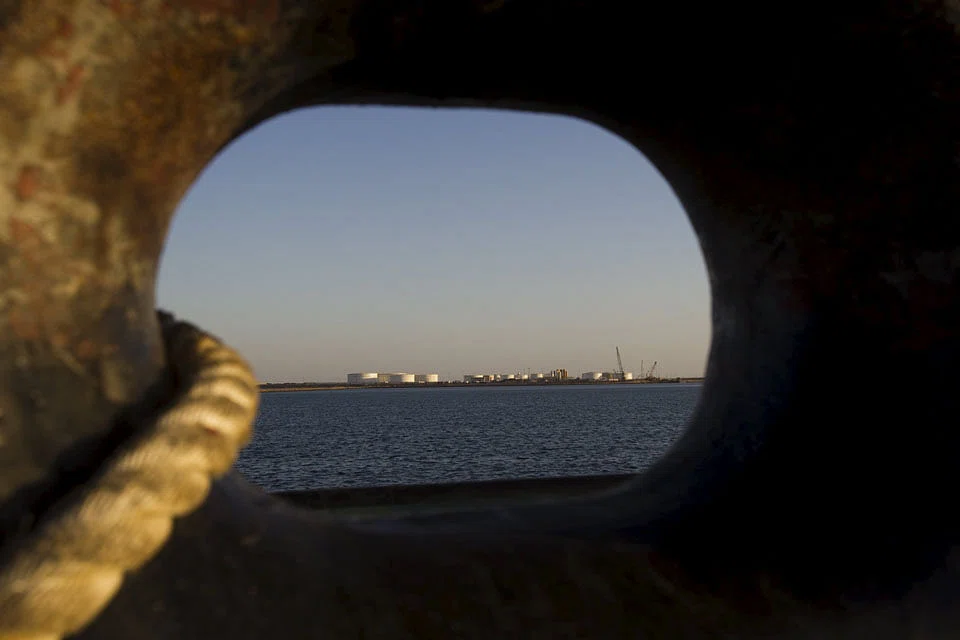
DeeperDive is a beta AI feature. Refer to full articles for the facts.
LAST week's meeting of the Organization of the Petroleum Exporting Countries (Opec) failed to agree on a new oil production ceiling - the first time since 2011 that such a deal has not been reached. At the heart of the disagreement is Iran, who refused to consider production curbs until it restores output that has been diminished after years of Western sanctions.
Iranian Oil Minister Bijan Zangeneh asserts that his goal is to boost his country's oil output by around half a million barrels per day (bpd) in early 2016, with the ambition of moving towards an additional one million bpd, bringing the total output to some 3.8 million bpd. That would approximate Teheran's pre-sanctions output levels of around 4 million bpd.
Opec's failure to reach agreement on Dec 4, with oil prices having already halved over the last 18 months, will put further downward pressure on the market. Indeed, Goldman Sachs has already indicated that prices could potentially drop to as low as US$20 a barrel with global oil production currently outstripping demand by around 2 million bpd.
Share with us your feedback on BT's products and services
TRENDING NOW

China pips the US if Asean is forced to choose, but analysts warn against reading it like a sports result

Beijing’s calculated silence on the Iran war

Shelving S$5 billion office redevelopment plan proved ‘wise’ as geopolitical risks mount: OCBC chairman
Vietnam formalises new state leadership, redefining ‘four pillars’ power balance

