

It takes a village to build a Smart City
Robust collaboration between stakeholders is crucial to success.
 Add BT as a preferred source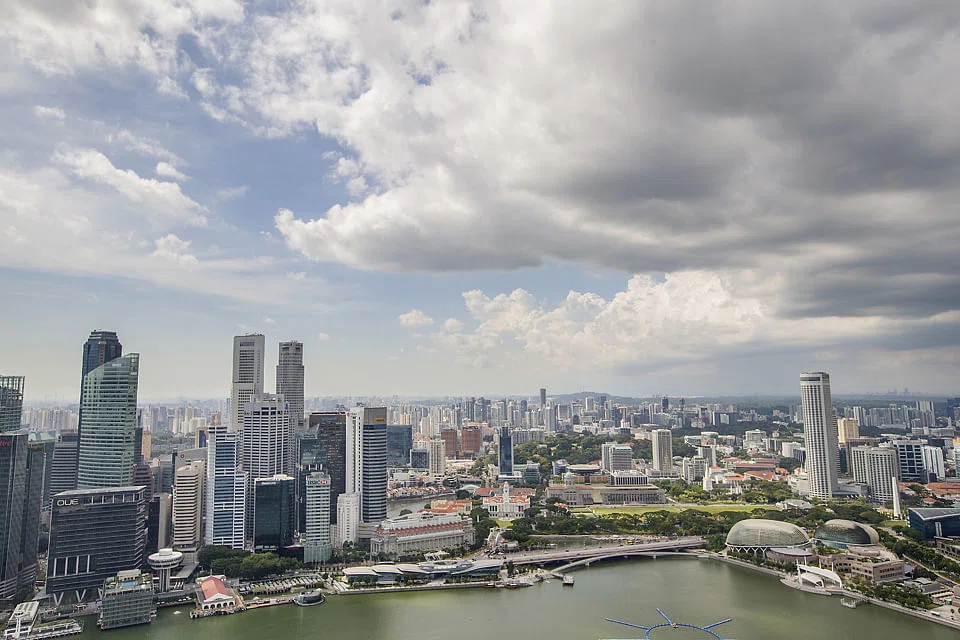
DeeperDive is a beta AI feature. Refer to full articles for the facts.
THE rise of Smart Cities was a silent one, yet its impact is profound. According to the United Nations, 66 per cent of the world's population will be living in urban areas by 2050. With more and more people moving to metropolitan areas for greater employment opportunities and higher quality of life, city infrastructures struggle to cope with a growing population. To address the challenges of urbanisation, government officials are quickly harnessing technology to efficiently deliver public services and enable new applications - from intelligent water systems to smart metering - in its efforts to make cities more liveable and sustainable.
The idea of integrating technology with cities to improve the quality of life of citizens gave birth to the term "Smart Cities". From Barcelona to Jakarta, Smart Cities have found its way into key cities across the world and over the years, enjoyed strong momentum in the Asia-Pacific.
Smart street lighting, for instance, are some of the more popular Smart City projects - not only for the cost savings it delivers but also the way it can be used as a site to host other sensors, including real-time traffic surveillance and pollution monitoring. Jakarta is currently upgrading nearly 90,000 street lamps citywide for its Smart Street Lighting system, which will enable city engineers to efficiently monitor the lighting infrastructure and remotely manage illumination levels to match different needs by district.
Copyright SPH Media. All rights reserved.
TRENDING NOW
Autobahn Rent A Car directors declared bankrupt over S$50 million each owed to DBS

Amazon’s MGM Studios gains creative control over ‘James Bond’ franchise

UOB’s Wee Ee Cheong says S$4.9 billion Citi deal ‘paying off’ as Asean push accelerates
In taxing wealth, how far can Singapore push property owners?

