

It's time for the digital transformation of hospitals to speed up
 Add BT as a preferred source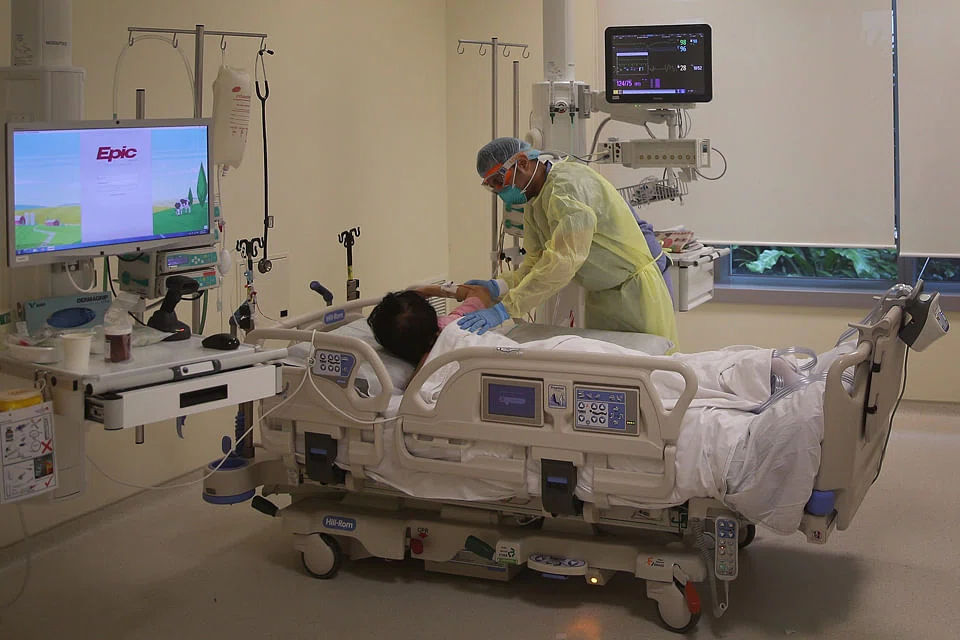
REPORTS of shortages of hospital beds, ventilators, medical equipment and doctors and nurses to cope with growing cases of Covid-19 infections have thrown into sharp focus the need to accelerate digital transformation of healthcare infrastructure worldwide.
Modern medicine has been enriched by genomics, telemedicine, virtual reality for surgery and many bio-pharmaceutical advances. The human bladder has been reproduced via 3D printing, and other print-on-demand organs may soon follow. New cures and better equipment mean that most of us will all live longer and healthier than our parents.
But behind the many medical advancements, true digital transformation of health infrastructure - hospitals, blood and vaccine banks, centres for dialysis, ambulatory surgery, imaging and radiology - is slow. It has lagged behind other sectors such as e-commerce, transport and logistics and that of large corporations.
Unlike for other sectors, digital transformation to enable Internet of Things (IoT), 5G connectivity, and artificial intelligence and machine learning (AI/ML) is much more complex for healthcare.
Healthcare infrastructure innovation has been and remains curtailed by three main issues: firstly, compliance with regulatory standards at national and international levels; secondly, multiple forms of medical data, from patient records to X-rays, CT scans and other analogue or digital data; and thirdly, reluctance to change which prevents a clear digital dashboard to allow administrators to respond, plan and predict in real time.
Till now, many hospitals with sophisticated equipment have yet to fully capture and update medical records to enable clinical decision support and real-time hospital workflow, let alone combine them seamlessly with long-term care and disease management.
Navigate Asia in
a new global order
Get the insights delivered to your inbox.
This means that hospitals often operate below true capacity and are unable to respond optimally during a crisis. Indeed, even in developed countries, there is a growing shortage of staff and equipment amid rising Covid-19 infections.
How can planners and administrators improve information technology (IT) infrastructure to prepare for a true digital transformation for the healthcare sector? Several key steps can kick-start or accelerate the process.
CONSOLIDATING DATA
The first is to build or enable real-time data capture at every touchpoint of healthcare hardware. This means installing sensors, and embedding IoT and high-speed communication throughout each facility down to the last piece of equipment.
As with a full health check, identification and measurement of performance of each piece of equipment is the first step to achieving transformation.
The second is to break down information silos once and for all. Data passing through the hospital systems and databases must be digitised, harmonised and shared, from patient records, X-rays and CT scans to data on the functioning of each piece of equipment and machinery within the infrastructure.
This roadblock has eluded decades of effort by IT consultants and systems integrators. A protocol of "golden data" in a common format will enable visibility of the entire healthcare enterprise - from ambulance to operating theatre - on a single platform.
Ventilators need to be serviced regularly, so how many are operational at any time? And how do we know if vaccine doses have arrived and are stored in appropriate conditions before being administered?
Third, the same visibility can facilitate interoperability of different healthcare systems - electronic patient health records can be analysed alongside Covid-19 infection trends and the demand for vaccines and the cold-chain infrastructure needed to store or deliver them.
During pandemics such as Covid-19 and the Sars epidemic that struck many Asian countries in 2003, data may have to be shared beyond a single hospital group to include other private or public healthcare, ambulance operators and even military field hospitals. Without this, decision-making during a crisis will be delayed.
Fourth, healthcare assets, be it CT scanners, operating rooms or ventilators, have to be tracked on usage levels and even location. This can help predict breakdowns, plan for maintenance and help the next shift of medical staff to locate them.
Several other asset-heavy sectors such as aviation maintenance, repair and overhaul (MRO) have migrated management of inventory, checks on component reliability, engineering data and supporting financials to the cloud for easy access by smartphones.
Fifth, such tracking will support more vital C-suite decisions such as scenario planning which can calibrate potential equipment shortage, availability of spares, and service-level agreements with suppliers with hospital manpower planning.
By standardising protocols for maintenance - helped by such cloud-enabled real-time data - productivity will improve. As with other sectors such as MROs for aviation and resources sectors, new and more efficient business models can also emerge among healthcare equipment suppliers and third-party service providers.
Sixth, there are lessons to be drawn from a concept known as inventory technical management already practised by MRO service providers. Those who are more digitally enabled have upscaled to the next level - flexible pooling of inventory to prevent duplication and to share hardware more intelligently.
GET OUT OF THE SICK BED
Such practices can be extended to healthcare asset management. Spares for CT scanners or components for medical equipment can be "pooled" through cloud-based management by a healthcare MRO operator who can guarantee service levels.
Finally, the guardians of healthcare hardware can take tentative steps in AI/ML without sacrificing medical outcomes. These include sensors that can monitor health data of each patient more frequently than checks by nurses, and the use of chatbots to allow nurses or junior doctors to ask questions when certain patient symptoms occur or to check when a piece of equipment needs to be sent for servicing.
Through AI/ML, healthcare hardware can be "trained" to self-correct. It can learn prescriptive maintenance through protocols that can predict failures and recommend actions to take. Over time, each major piece of equipment can instruct itself on when to prepare for maintenance, the possible risks, and the pre-emptive measures it should take.
Covid-19 has triggered a once-in-decades shift in the thinking behind healthcare administration. It is time for the hospital itself to get out of the sick bed and embrace the true promise of digital transformation.
Decoding Asia newsletter: your guide to navigating Asia in a new global order. Sign up here to get Decoding Asia newsletter. Delivered to your inbox. Free.
Share with us your feedback on BT's products and services
TRENDING NOW

Middle East-linked energy supply shocks put Asean Power Grid back in focus

JLL Singapore cuts over 20 jobs or 1% of workforce; Knight Frank Singapore also lays off staff
How China’s young workers are securing their future even as AI disrupts job market, triggers pay cuts

DBS CEO Tan Su Shan strikes upbeat tone on deposits, wealth growth after strong Q1

